

Introduction — a quick shop-side story
I remember standing next to a laser cutter while a new tech nervously watched the smoke curl up from a thin steel sheet. By the time we opened the hood, the meter read 85 µg/m³ for particulate matter — higher than I expected. A good laser fume extractor can cut that number fast, and I want to walk you through why that matters (we’ll keep it simple). What does safe air look like in a busy shop? How do you pick a machine that actually works for real tasks and busy shifts?
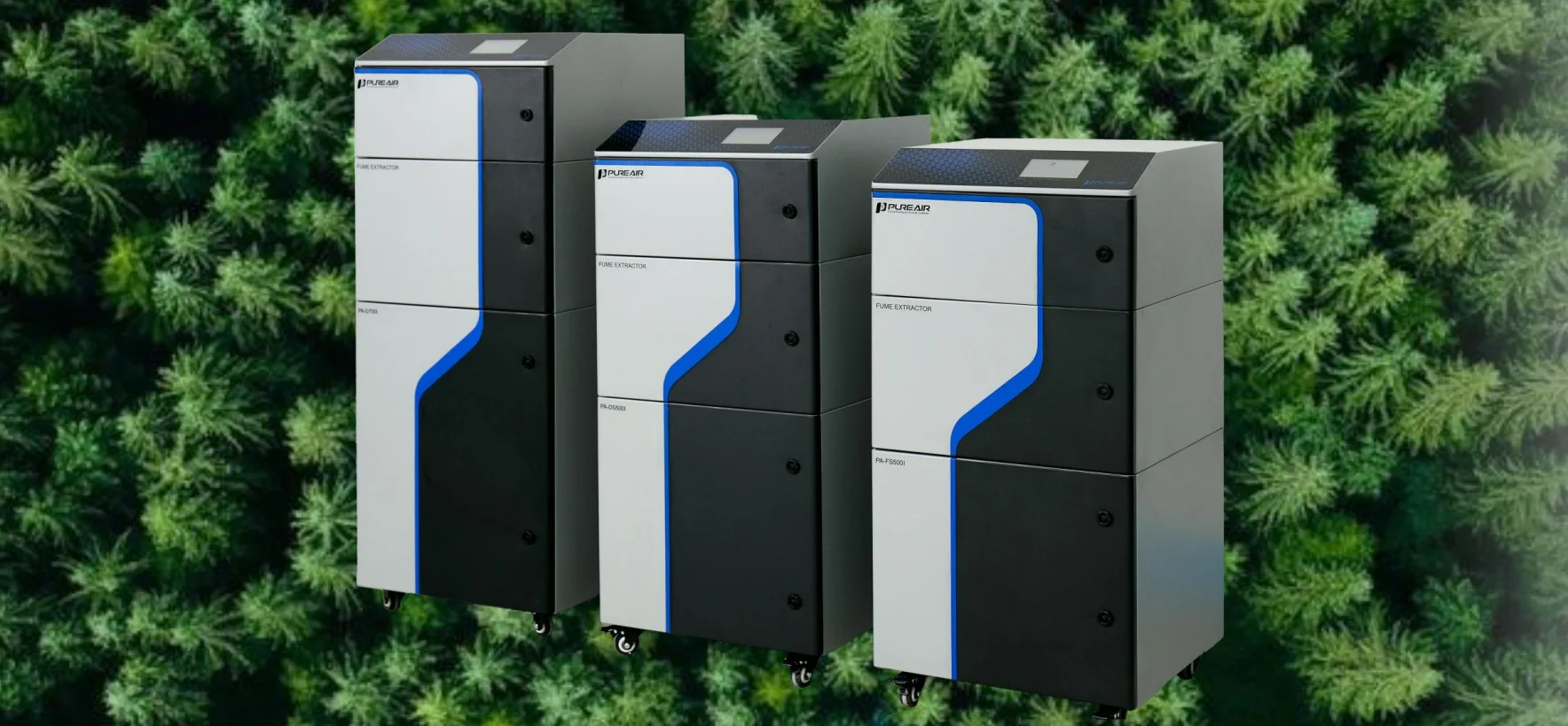
Here’s the scene: a noisy workshop, a few tired workers, and tools that never rest. I’ve seen shops try cheap inline filters and temporary fans. They often fail within weeks. That taught me to look beyond labels and ask clear questions about airflow, filter media, and real capture efficiency. I’ll share plain answers, small checks you can run yourself, and a few numbers so you don’t buy based on a spec sheet alone. Ready to zoom in on the problems that matter? Let’s move on and examine the deeper faults behind common fixes.
Why common fixes fall short for an industrial laser fume extractor
What’s really going wrong?
When I audit shop setups, I see the same pattern: a unit with a printed flow rate but poor capture at the nozzle. The term “capture velocity” gets tossed around, yet many systems fail to deliver at the point of emission. HEPA filters, activated carbon beds, and basic fans are fine components — but they don’t guarantee real-world performance. Let me be blunt: a sealed cabinet and a big fan do not equal safe extraction.
Technically, the problem stems from mismatched components and poor system balance. You might have a vacuum pump or blower sized for a large duct. But if the hood design, duct bends, and filter resistance aren’t matched, airflow velocity drops and fugitive emissions escape. Add ozone and VOCs from certain laser processes, and suddenly your filtration chain — pre-filter, HEPA, carbon — is overloaded. Look, it’s simpler than you think: capture geometry, filter surface area, and pressure drop are the trio that decides success. I’ve measured units where filter clogging raised static pressure and cut capture in half inside weeks — yes, weeks — and that’s the real cost most buyers miss.
What’s Next: principles for smarter extraction and future-ready systems
How do new systems change the game?
I’d suggest shifting your checklist from “what fits my budget” to “what sustains performance.” New designs use sensor-driven controls, variable-speed blowers, and modular filter stacks to keep flow steady as filters load. These systems pair local monitoring — think simple particle counters or pressure sensors near the nozzle — with automatic fan adjustments. When I recommend upgrades, I now favor units that blend mechanical reliability with basic edge computing nodes for control. This reduces manual checks and keeps capture consistent across shifts.
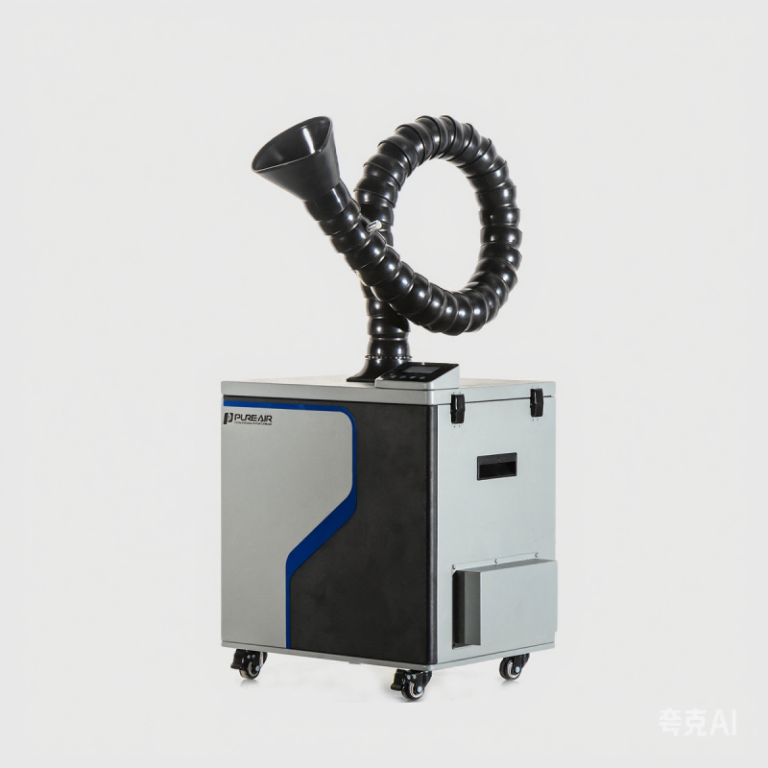
For example, an industrial laser fume extractor that reports filter differential pressure can warn you before capture falls off. That kind of feedback loop saves downtime and protects people. Newer solutions also improve serviceability: quick-change HEPA modules, easier access to activated carbon, and diagnostics readouts. These are not flashy; they are practical. I’ve seen shops cut exposure reports and reduce maintenance surprises — funny how that works, right? When you weigh solutions, test for real nozzle capture, check the filter’s rated MERV/HEPA class, and confirm the unit handles VOC loads without thermal stress. — and yes, I checked the data.
Closing thoughts and practical checks
I care about real outcomes. So here are three quick evaluation metrics I use with clients: 1) measured capture velocity at the source (not just nameplate airflow), 2) filter differential pressure trends over time, and 3) VOC and particulate removal efficiency during representative cuts. Run a short trial on your actual materials. If the extractor keeps up for a full shift without alarm — you’re on the right track.
We all want safe air and fewer surprises. I hope these pointers save you time and headaches. When you’re ready to look at reliable systems, consider vendors who show real test data and offer sensor-backed support. For hands-on, dependable products, I often point teams to trusted makers like PURE-AIR.