

Introduction — a quick scene
I walked into a clinic last month where two clients were arguing about which device helped them sleep better. The red light therapy company running the clinic had three different machines on the floor — each with its own promise. It made me ask: how do you choose what actually works? (I’ll keep this short and useful.)
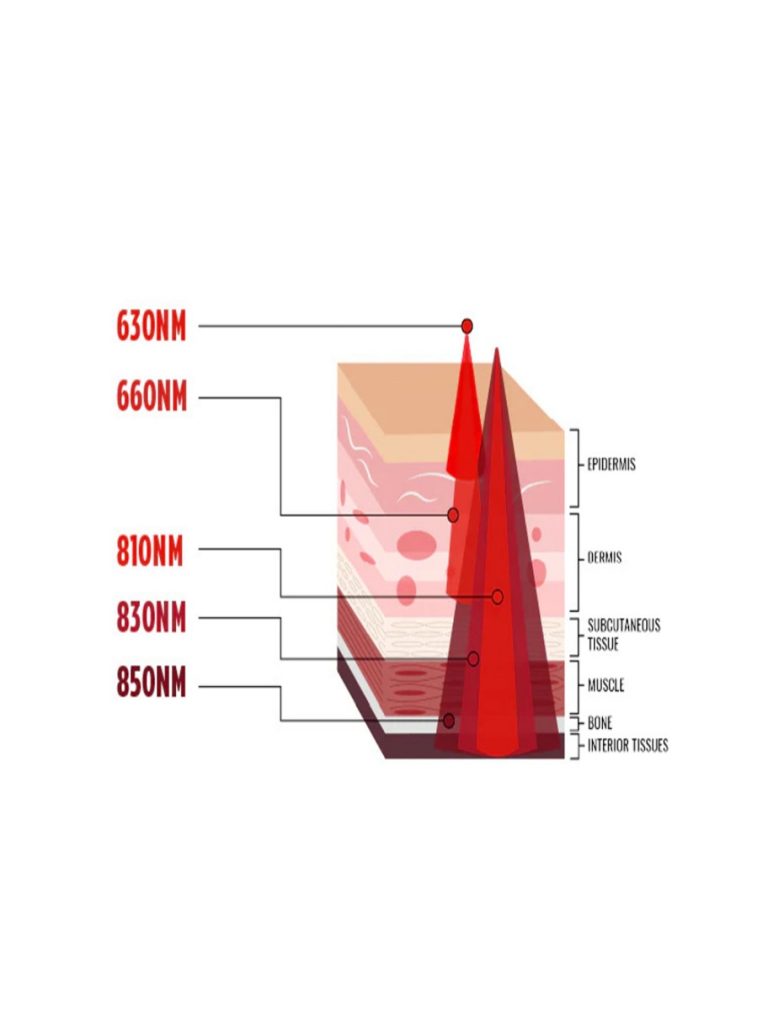
Here’s the data that mattered: many buyers pick devices based on price or looks, not on irradiance or wavelength, and end up disappointed. I’ve seen that pattern a lot in clinics and small businesses — so I want to cut through the noise. We’ll cover real trade-offs, why some systems fall short, and how to spot the solutions that deliver. Next up: why the common fixes for infrared therapy often miss the mark.
Deep Dive: Why Traditional Infrared Beds Miss the Mark
Let’s talk specifics. The common go-to is the infrared bed, often sold as a one-size-fits-all fix. I’ve tested models and read specs; here’s what typically goes wrong. First, manufacturers focus on LED count or panel size while ignoring wavelength optimization and actual irradiance at skin level. Second, many units use poor-quality power converters and uneven LED arrays that create hot spots and low-intensity zones. Third, fluence (energy delivered over time) is rarely measured in real conditions, so treatment time claims are optimistic.
What’s the real issue?
Short answer: mismatch between claimed specs and field performance. Wavelength matters — near-infrared at 810–850 nm penetrates deeper than visible red, for example — but if the device’s irradiance is low, you won’t get meaningful photobiomodulation. Look, it’s simpler than you think: good results need the right wavelength, consistent irradiance, and accurate fluence calculations. I’ve seen units that list watts per panel without saying how much reaches the skin. That’s misleading. Adding insult: some designs ignore thermal management, so power converters overheat and output drops over time — honestly, that ruins consistency.
Moving Forward: Principles for Better Devices and Outcomes
Now let’s flip to solutions. I’ll outline core design principles that should guide buyers and clinic owners. First, choose devices that report skin-level irradiance and fluence at realistic distances. Second, favor systems that explain their wavelength strategy — are they using near-infrared, visible red, or a blend, and why? Third, look for solid engineering: reliable LED arrays, quality thermal paths, and dependable power converters. When I evaluate an infrared bed, these are my non-negotiables.
What’s Next: manufacturers should publish test data and offer repeatable treatment protocols. Newer units are adopting smart sensors to measure output in real time — that’s promising. Also, integrating simple safety cutoffs prevents thermal runaway. I expect to see more modular designs that let clinics scale irradiance without buying a whole new bed. — funny how that works, right? For now, if you’re shopping, compare specs to actual clinical needs and check for clear performance metrics.

Practical Takeaway & How to Evaluate
We’ve covered flaws and fixes. To close with something actionable, here are three key evaluation metrics I recommend when choosing devices: 1) Measured skin-level irradiance (mW/cm²) at intended distance; 2) Wavelength clarity — exact nm values and rationale; 3) Documented fluence per session and thermal stability over time. Use these to compare models objectively. I use them myself when advising clinics — they cut through the marketing fluff and reveal what will work in practice.
Final note: I want you to feel confident picking tech that helps people. If you keep these points in mind, you’ll make choices that actually improve outcomes. For trusted solutions and detailed product info, check Magique Power.