

The problem at hand
When you’re buying bulk outdoor batteries for commercial solar projects, the freight line and port clerk can end up costing more than the cells themselves. Tariff hoops, port surcharges, and hazardous-goods rules pile up fast, and that’s before you factor in the extra paperwork for lithium-ion packs and their BMS systems. For many procurement teams, the immediate fix is to bundle a ready-made solution — like an all in one storage unit — and hope the carrier knows what to do. That shortcut helps, but it ain’t a cure-all; the bigger challenge is aligning spec, classification, and routing so your project doesn’t stall at customs or a maritime terminal.
Why B2B buyers feel the squeeze
Commercial buyers face a mix of cost and compliance risks. Port tariffs and container detention fees can swing project economics overnight. Meanwhile, lithium-ion batteries fall under strict hazardous goods rules — UN38.3 testing, special labeling, and sometimes limits on state-of-charge for sea freight. Add longshore delays at busy hubs like the Port of Houston and the fallout from the Texas ERCOT winter 2021 outages — which pushed more firms toward on-site storage — and you’ve got supply chains that demand tighter coordination than ever.
Common transport pitfalls and practical fixes
Buyers trip over the same things repeatedly: mismatched HS codes, insufficient test documentation, and carriers unfamiliar with battery-class shipments. Fixes are straightforward when you treat them like operations, not abstract risks. Standardize your packing list to include UN38.3 test reports and a battery datasheet that lists kWh and weight. Mark the cargo with the correct hazardous-goods labels and verify the vessel accepts lithium-ion freight. Get an inspector to confirm BMS isolation procedures before loading — that little step beats a costly offload at destination.
How a product choice changes logistics
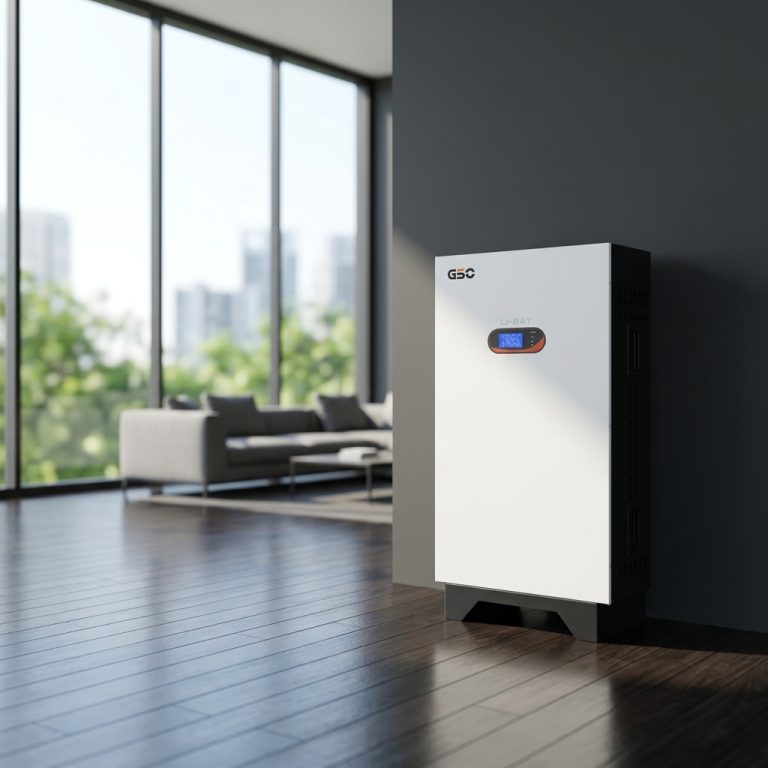
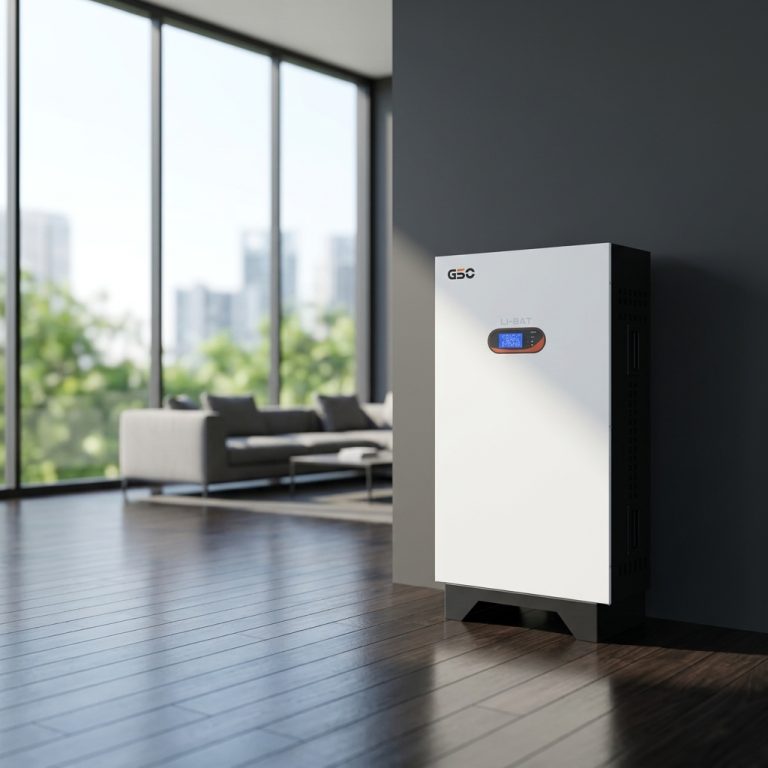
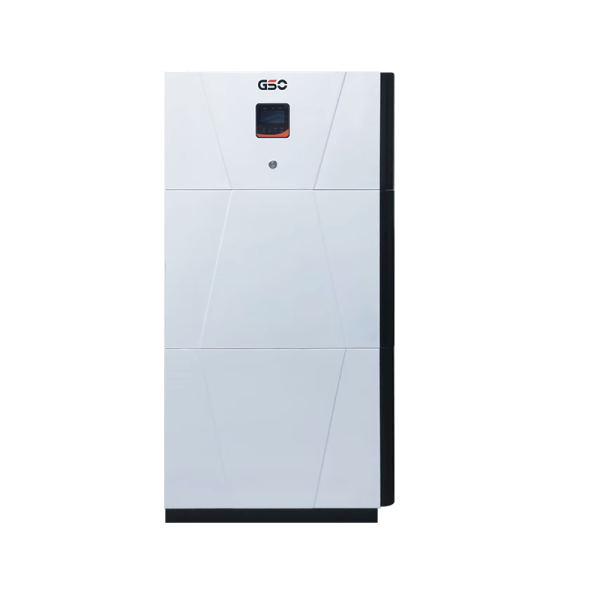
Picking a pre-integrated unit can simplify permit and handling steps. A compact packaged inverter-plus-battery system often arrives with consolidated documentation and fewer loose components, which reduces pallet count and handling touchpoints. Consider a certified solar all in one pack for remote sites; it lowers on-site labor and helps carriers treat your shipment as a single, compliant unit rather than a pile of dangerous goods.
Operational checklist for procurement teams
Use this checklist to keep shipments moving:
– Confirm UN38.3 and type-test paperwork is on file before tendering freight.
– Lock container dwell-time windows with carriers and plan for port surcharges in the budget.
– Specify state-of-charge limits for lithium-ion shipments and confirm shore power handling at destination.
– Ask suppliers for consolidated packing that minimizes pallet swaps and loose parts.
– Run a mock customs declaration with your broker to catch HS-code mismatches early.
Things teams often miss — and a quick aside
Many forget to align insurance with the declared hazardous class; others skip drop-test verification for outdoor-rated cabinets. — That short oversight leads to denied claims if damage happens during transfer. Train your receiving teams on unpack procedures and inspect for electrolyte leaks or transit shock to catch issues while carriers still hold liability.
Three golden rules for evaluation
Measure suppliers and logistics partners using these metrics:
1) Documentation Accuracy — Percent of shipments leaving with full UN38.3, MSDS, and correct HS codes. Aim for 100%.
2) Total Landed Cost Predictability — How often final invoices match the quoted rate within an acceptable variance. Keep variance under 5%.
3) Turnaround Reliability — Time from port arrival to site delivery; benchmark against similar projects and prioritize partners who meet timelines consistently.
Closing assessment
Handle tariffs and dangerous-goods logistics like an operational discipline: document early, consolidate packaging, and pick products that simplify handling. Do that, and you’ll cut surprises at the dock and shorten project cycles — which is the kind of plain result leaders want. gsopower. —