

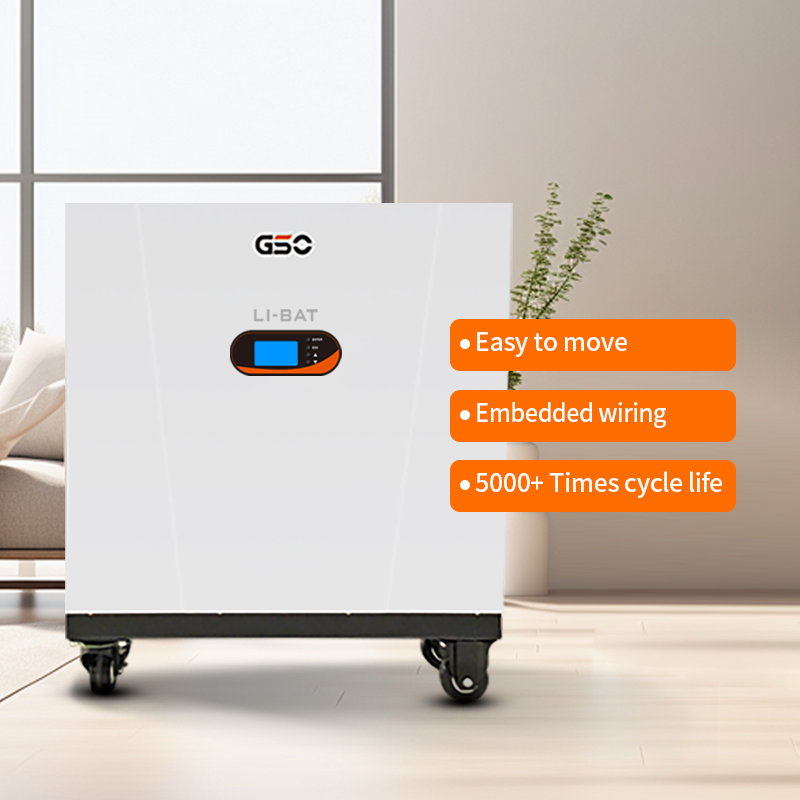
Comparative framing: why freight choices change the project outcome
Choosing the right sea-freight approach for mass-produced whole-house battery backups and associated PV gear sets the tone for cost, lead time and installation smoothness. For projects driven by demand in regions coping with recurrent load-shedding—South Africa being a clear real-world anchor—decisions around container type, port routing and compliance matter as much as the kit itself. Early on, specify the inverter and accessory mix, particularly if you plan to include a solar hybrid inverter in the shipment, since that affects packing, insurance and customs coding.
Comparing freight options: full container load vs consolidated consignments
Full container load (FCL) gives predictable unit costs and fewer touchpoints; less handling means lower damage risk for heavy items like batteries and inverters. Consolidated shipments (LCL) reduce upfront freight spend but increase handling and the chance of delays at intermediate hubs. For battery systems, the extra handling is non-trivial because of battery chemistry risks and strict DG (dangerous goods) rules. Choose FCL for consistency on large runs, LCL for pilots or staggered rollouts.
Ports, routing and timing: port selection matters
Pick ports with proven capacity for electronics and energy equipment. In southern Africa, the Port of Durban functions as a main regional hub; alternate ports may shave inland transit but add customs complexity. Consider transhipment nodes that minimise crane lifts and yard dwell time. Transit time, berthing frequency and inland trucking reliability all feed into a project’s cashflow profile—so weigh lead time against inventory carrying costs and installation schedules.
Packing, compliance and technical prep
Palletisation, bracing and moisture control are practical matters that reduce claim rates. Use IEC-compliant packing for power electronics and mark crates with clear DC/AC orientation. Include a basic BMS calibration checklist and an inverter serial-number manifest in the shipment — customs officials and installers will thank you. For units containing batteries, ensure DG documentation and C-rate limits are clear to the carrier; hazmat holds are expensive and slow.
Handling the equipment mix: inverters, batteries and balance of system
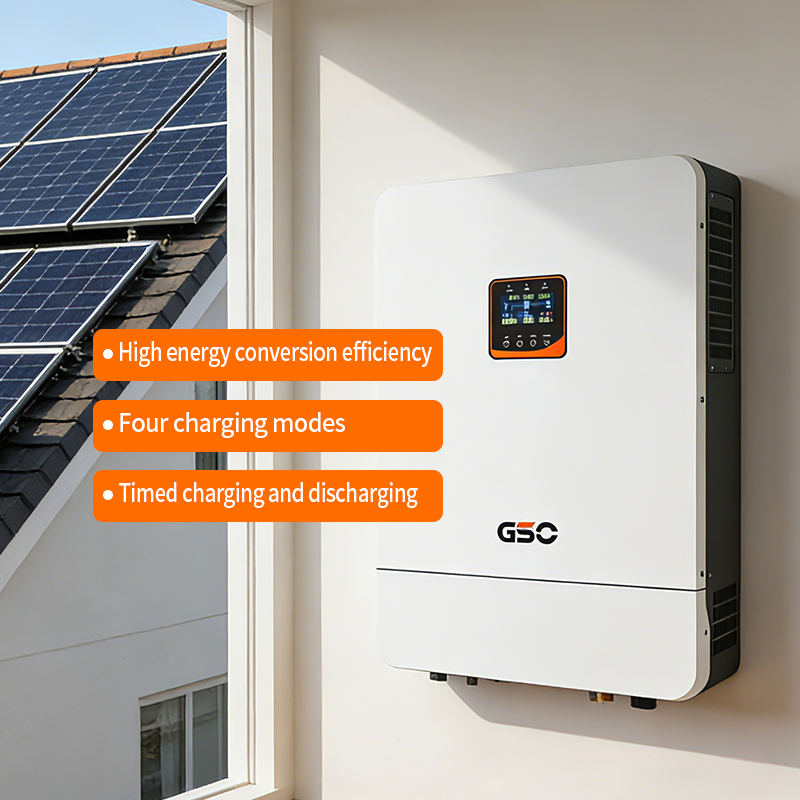
Ship the inverter family and ancillary items together where possible. Mixed consignments—batteries one week, inverters the next—create site mismatches and wasted labour. If you’re using string inverters, central inverters or hybrid designs, standardise on mounting and wiring kits to keep site-fit consistent. Also consider DC coupling versus AC coupling choices early; that affects cabling, commissioning and spare parts.
Common mistakes and tactical alternatives
Clients often under-specify the documentation and packaging, then flood the warehouse with returns and warranty claims — avoid that. Another frequent error is ignoring local grid-tie requirements and export limits, which can delay commissioning. A practical alternative is a staged import: first bring in a pilot kit and commissioning spares, then ramp FCL deliveries once site workflow is proven. This cuts rework and saves on freight rework costs.
Cost levers and service trade-offs
Negotiate for door-to-door rates that include terminal handling and inland drayage to avoid surprises. Pay attention to carrier liability limits for electronics and battery-related damage; top-tier carriers will offer better electronics handling but at a premium. For expedited needs, air freight is viable for inverters and controls, while cells and full battery modules stay on sea freight because of cost and DG constraints. Also consider local warehousing strategies to smooth seasonal demand.
Three golden rules for selecting routes, carriers and gear
1) Match shipment structure to rollout phase: use LCL for pilots, FCL for scaleouts, and schedule to avoid port congestion windows. 2) Prioritise documentation and technical manifests: include serial-number lists, BMS calibration notes and IEC references to speed customs and commissioning. 3) Evaluate total landed cost, not just freight rate: factor in inland delivery, handling, potential hazmat holds and spare-part availability. These rules will reduce on-site surprises and speed time-to-commissioning.
Done well, freight planning becomes a competitive advantage that shortens lead times and reduces field touch-ups — and that’s why knowledgeable suppliers who provide coherent logistics and verified product specs matter. For a partner that aligns product standards and delivery execution, see gsopower. –