

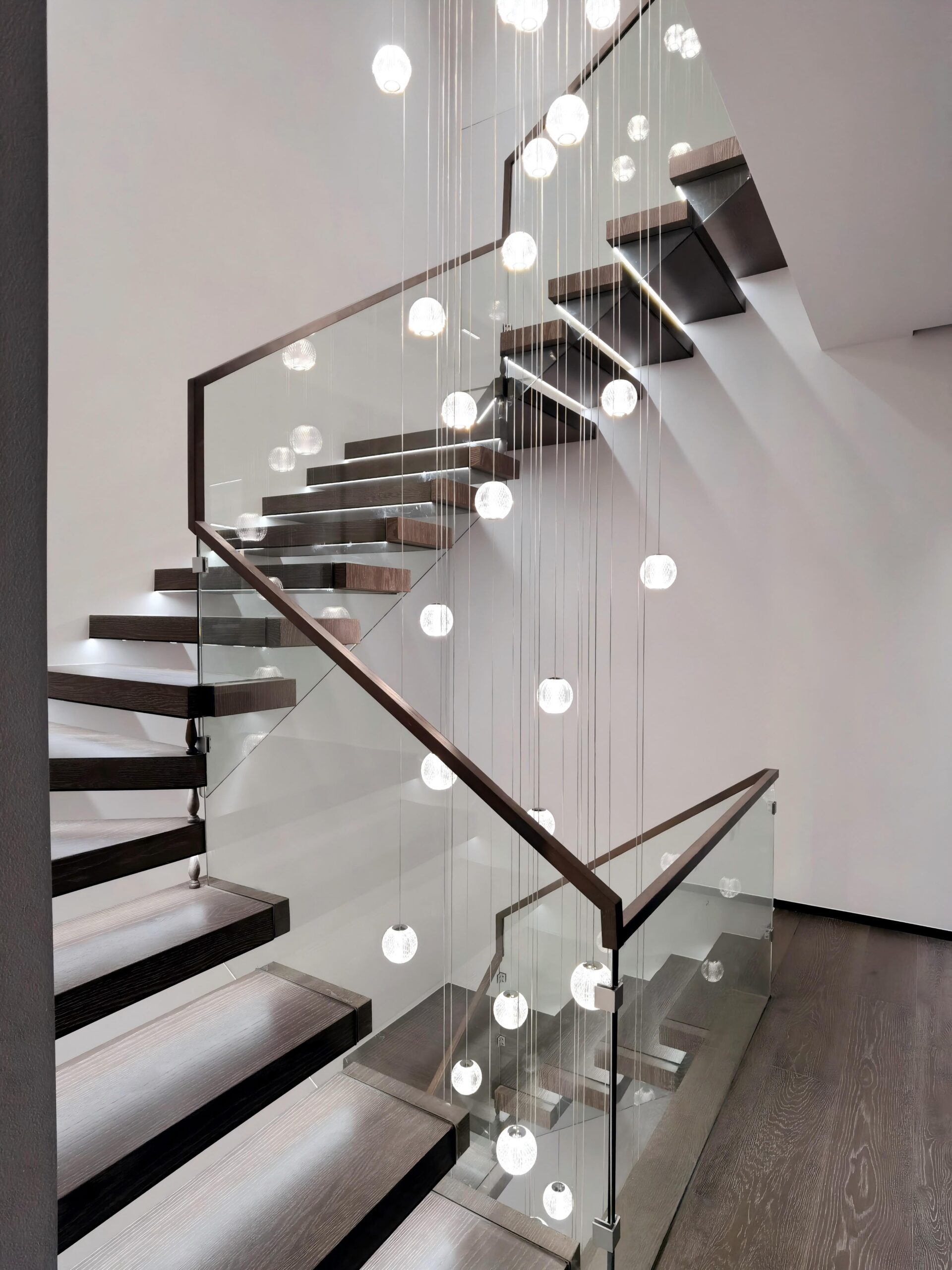
A Lobby, a Laugh, and a Lesson
You walk into a hotel lobby, look up, and squint. The chandelier is gorgeous, yet it blinds like a small sun. A bespoke lighting company is supposed to prevent that scenario, right? Here’s the kicker: across projects, teams still over-spec lumens by as much as 25%, then fight glare and noise from cheap drivers. So, why do we keep paying for “wow” only to get “ow,” and how do we stop it (before your electrician starts muttering in French)?

Direct answer time: the gap lies in planning and control. When CRI, lumen output, beam spread, and dimming protocol don’t line up, the space feels wrong. The chandelier becomes decor, not light. And then there’s the dead zone between design intent and install reality—funny how that works, right? If you’ve ever seen a chandelier flicker at 10% dim, that’s not “mood”; that’s a driver mismatch. So let’s put the jokes aside and get useful. Here’s how to compare your options without losing your sanity—or your ceiling.
Where Traditional Chandeliers Trip Up
Why do traditional fixtures fall short?
Let’s get technical. A standard catalog fixture looks fine on paper. But the hidden flaws add up fast. A bespoke chandelier, by contrast, tunes the details you actually feel: scale to room volume, lumen output to surface reflectance, and color rendering to materials. Older fixtures often rely on generic drivers, poor thermal management, and fixed optics. That’s why you see flicker at low dim levels, hot spots on tabletops, and shadows at the edges. Look, it’s simpler than you think: match the driver to the dimming protocol (DALI-2, DMX, or 0–10V), plan for heat, size the canopy for wiring and power converters, and you’ve fixed half the pain already.
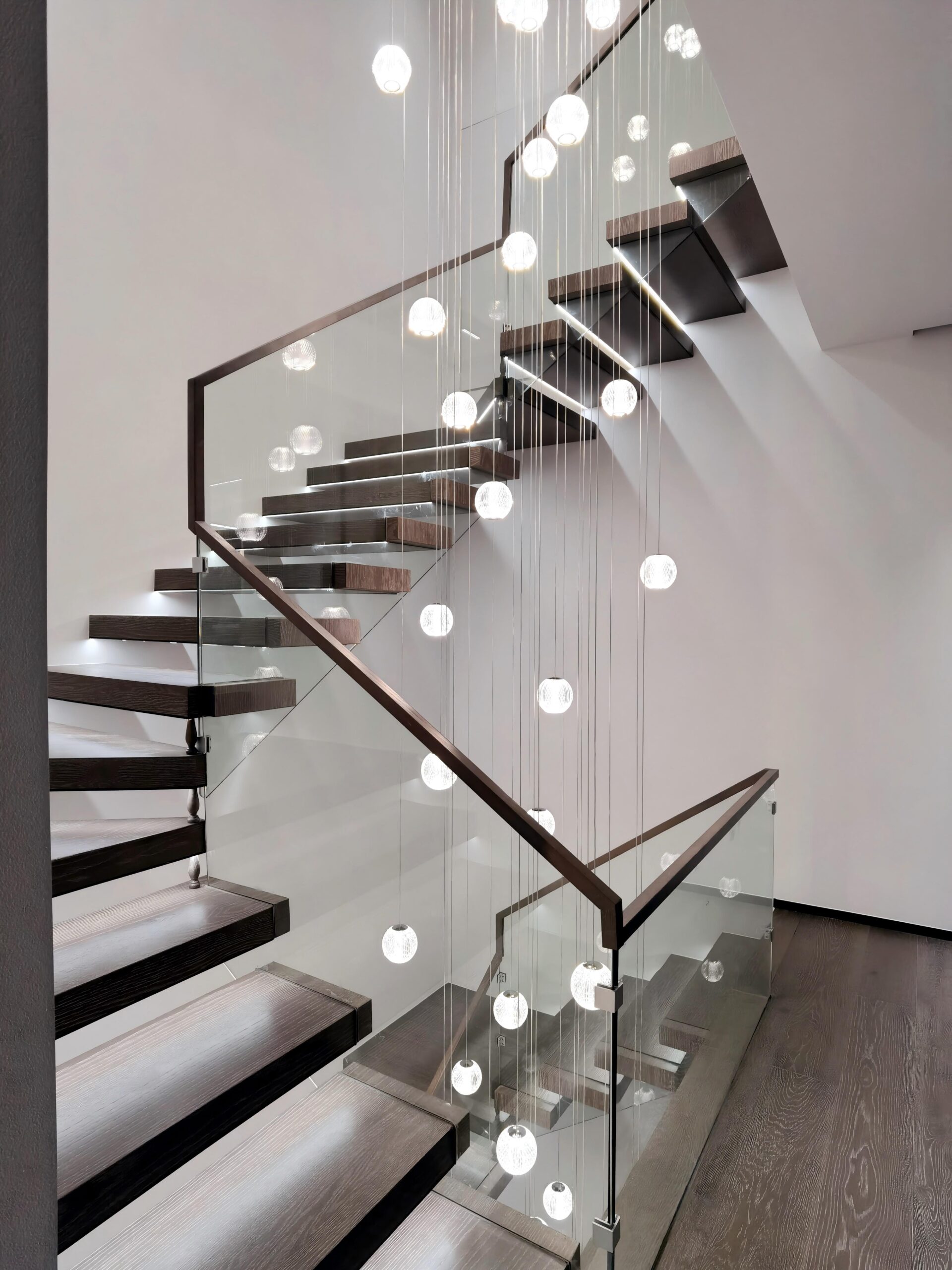
Now the structural bit. Legacy frames get heavy, fast. That weight means extra rigging, load checks, and sometimes a step back from your original ceiling plan. Maintenance also hurts. You swap lamps more, or worse, pull the whole piece for service. The result is downtime and budget drift. With custom work, the build can move to modular arms, quick-connect hubs, and serviceable LED engines. The gains are quiet but huge: stable dimming, cleaner wiring, better CRI, and fewer site calls. In short, traditional chandeliers hide costs in flicker, heat, and labor. Bespoke solves by design, not by luck.
Comparative Insight: Smarter Builds, Calmer Light
What’s Next
Here’s the forward view, and it’s practical. New systems use constant-current drivers with wide dimming curves, low ripple, and better power factor. That means smooth fades and no extra hum. Optical kits swap in minutes to fix glare or spill. Thermal paths are modeled early, so you don’t cook LEDs and lose output. And control? Bluetooth Mesh and DALI-2 make scene changes easy without messy rewires. You can even stub in edge computing nodes for occupancy or daylight data—then tune scenes later. Compare that to old-school static wiring and it’s not even close. If you want proof on style, browse a solid reference like the custom chandelier makers gallery crystal chandeliers and note how form and control are planned together—less drama, more light.
One quick case note. A dining space replaced a heavy brass showpiece with a modular frame, tuned optics, and vibration isolation for the ceiling slab. Result: even spread at 300 lux on the table, no banding on camera, and stable dimming down to 1%. The install took hours, not days, because the canopy had space for drivers and cable management—funny how planning saves time, right? So, how do you choose well without overthinking it? Use three checks: 1) Performance: verify CRI, dimming protocol, and thermal design, not just wattage. 2) Serviceability: LED engines, drivers, and optics should be field-replaceable. 3) Integration: confirm ceiling load, power converters, and control wiring fit your spec today and your scenes tomorrow. If those three pass, you’re in good shape to commission a piece that shines for years—with less fuss, fewer calls, and a happier team at hand, including kinglong.