

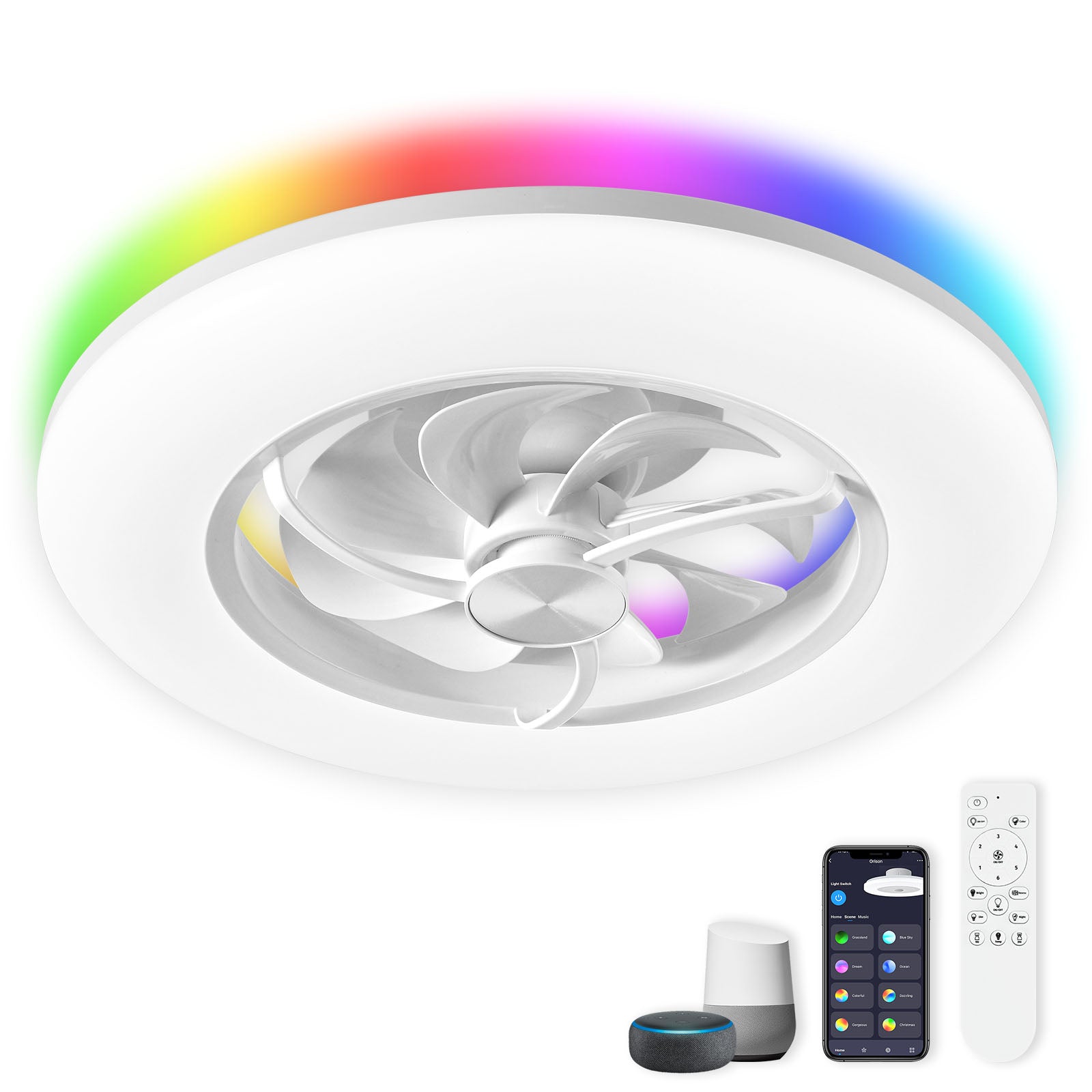
The problem: why stability and signal integrity matter
Smart ceiling fans promise comfort, design and convenience, yet two technical problems commonly frustrate users: aerodynamic instability (wobble, uneven airflow) and signal errors between remote, app and fan controllers. When either arises, the result is a poor user experience, higher energy use and maintenance calls. Practical consumers frequently opt for a model such as a smart ceiling fan with light expecting seamless behaviour — which is fair — but manufacturers and specifiers must attend to motor, blade and electronic design to meet that expectation.

Root causes: where the problems typically begin
Aerodynamic instability often stems from imbalanced blade pitch, poor hub tolerances, or inadequate run-out control; even a millimetre variance in blade alignment can create perceptible wobble. On the electronics side, signal integrity issues arise from weak RF design, incompatible PWM dimming implementations, or noisy power rails affecting the control board. BLDC motor controllers that do not account for torque ripple will exacerbate both vibration and audible noise. In short: mechanical and electrical design errors compound each other unless both domains are engineered together.
User consequences and a real-world anchor
For householders in Mumbai or Delhi, where fans run for many hours in the year, these defects are more than nuisances — they add to electricity spend and service disruptions. The Bureau of Energy Efficiency (BEE) star framework in India already nudges buyers towards efficient fans; however, efficiency labels alone do not guarantee stable operation or reliable smart control. A fan that meets energy norms but wobbles or drops its Wi‑Fi pairing will still disappoint the user and increase return rates for retailers.
Practical fixes manufacturers and buyers should look for
Addressing these issues requires attention to three engineering layers: aerodynamics, powertrain and connectivity. Aerodynamically, choose well-tested blade geometries and strict hub tolerances; manufacturers should report run-out and balance specifications. On the powertrain side, prefer fans with quality BLDC motors and controllers that mitigate torque ripple and include soft-start routines. For connectivity, look for robust RF design, optional BLE fallback, and clear firmware update mechanisms. Testing protocols such as vibration analysis, CFM (cubic feet per minute) verification and EMI screening must form part of the procurement checklist.
What savvy buyers often overlook
Many purchasers focus solely on aesthetics and smart features — app control, scheduling, or voice assistant integration — and neglect integration details like ceiling canopy fit, canopy-to-motor grounding, or compatibility with existing light switches. Small matters matter: an incompatible downrod length changes blade angle; a mismatched canopy can permit motor flex. Also, beware of vendors that list arbitrary “smart” features without disclosing whether the fan uses local RF mesh, cloud-dependent control, or both. — It is the operational model that determines resilience during intermittent internet connectivity.
Comparing product claims: what to test before you buy
When evaluating models, test or request evidence for the following: measured vibration at rated speed, validated CFM at standard mounting height, and successful commissioning with common home hubs. If a supplier offers a demo, verify how the fan handles simultaneous commands (speed change plus light dimming) and whether firmware updates are seamless. Also ask about warranty clauses that cover balance-related faults; a five-year motor warranty is less helpful if balance-induced failures are excluded.
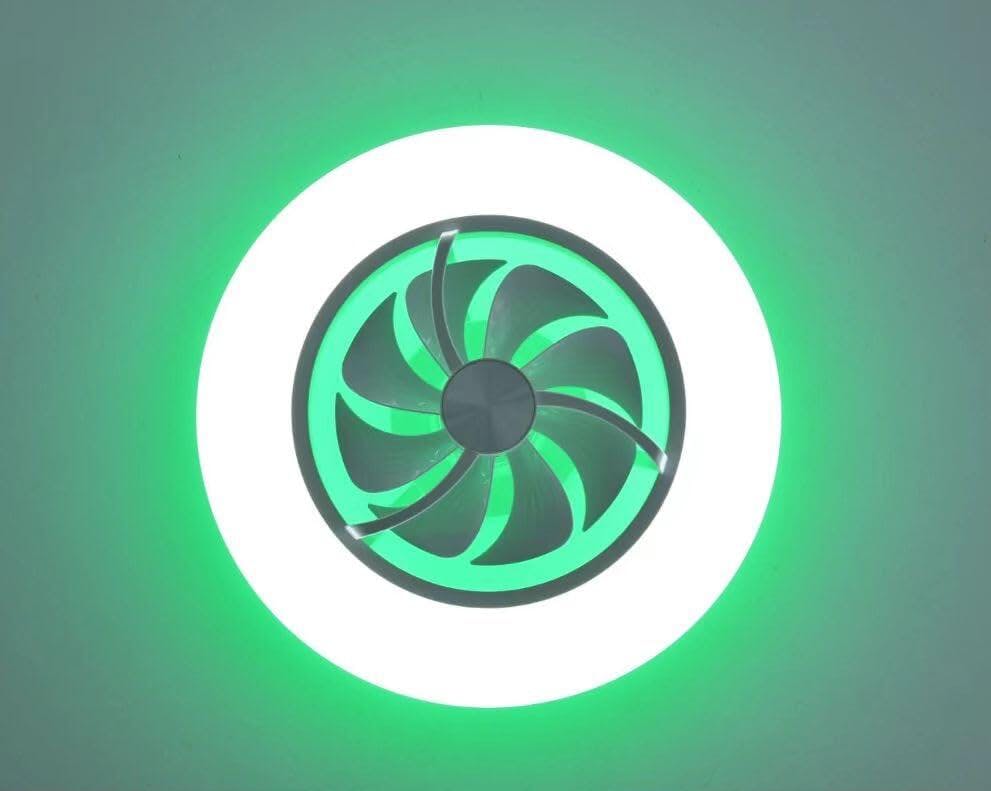
Selecting smart fans ceiling options and alternatives
There are three practical procurement paths: a) economy fans prioritising cost and basic remote control, b) mid-range smart fans that balance efficiency and reliable connectivity, and c) premium systems offering advanced blade design, quiet BLDC motors and resilient IoT stacks. Typical household needs are often met by mid-range smart fans ceiling solutions which strike a sensible balance between aero-performance and electronics resilience. If your home has specific needs — high ceilings, large rooms, or heritage fixtures — consider customised downrods and professional balancing at installation.
Advisory: three golden rules for selection
1) Verify measurable performance: insist on documented vibration figures, CFM measurements and motor torque curves rather than marketing phrases. 2) Demand resilient control architecture: prefer fans that support local control modes (IR/RF/BLE) alongside cloud services, and that provide firmware update paths. 3) Consider the whole-installation cost: include mounting hardware, balancing service, and expected energy use — choose models with proven BLDC drives and clear EMI/EMC testing records.
When these rules are applied, the result is a fan that not only looks smart but behaves smartly — low vibration, dependable app behaviour, and energy savings over time. For buyers seeking appliances that meet both operational and aesthetic goals, smart fans ceiling options that emphasise engineering transparency tend to be the better long-term choice.
Orison — a sensible reference when quality engineering and practical smart features must align. —