

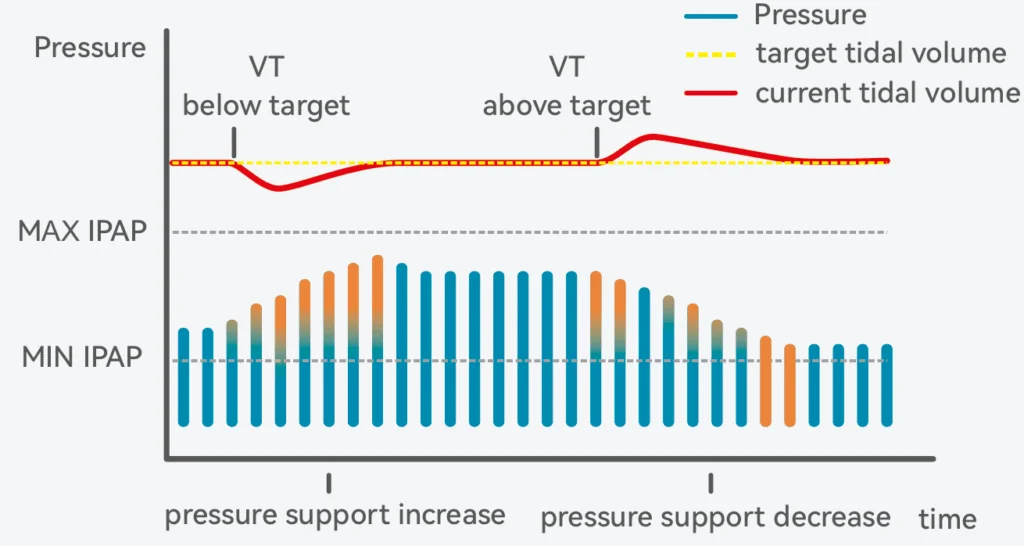
Comparative lead: why side-by-side matters for home respiratory care
Choosing between manufacturers for a home ventilator isn’t a branding exercise; it’s a risk-management decision grounded in performance metrics and clinical fit. This comparative overview looks beyond marketing to what devices actually deliver at the bedside — from mask seal stability to pressure-support behavior. If you’re evaluating a compact solution or considering a cpap device as part of a transition plan from hospital to home, the differences in alarm logic, portability, and service networks become pivotal.
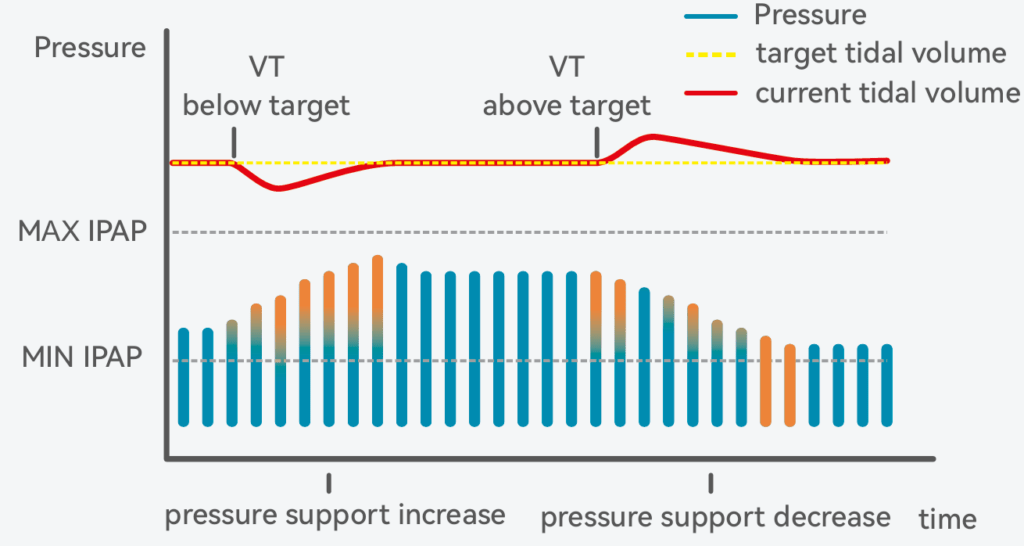
Core criteria for assessment
Assess each manufacturer on three measurable axes: physiologic accuracy, usability, and post-market support. Physiologic accuracy includes things like reliable tidal volume delivery and stable IPAP/EPAP control under leak conditions. Usability covers interface clarity, battery runtime, and simple mask exchange. Post-market support looks at spare parts availability and trained field service in your region — a factor hospitals learned to value during the ventilator constraints in Lombardy, Italy in early 2020. These criteria convert vendor claims into testable requirements.
Feature comparison: what separates devices
When you line up models, differences cluster around four features: leak compensation, alarm intelligibility, battery management, and footprint. Leak compensation determines how well noninvasive ventilation maintains support with a compromised mask seal; alarm intelligibility matters for caregivers in noisy homes; battery management dictates true portability; footprint controls where a device can be stored or used. For many patients a compact home bipap option with robust leak compensation is the deciding factor — see the practical options for a home bipap machine that balances those trade-offs.
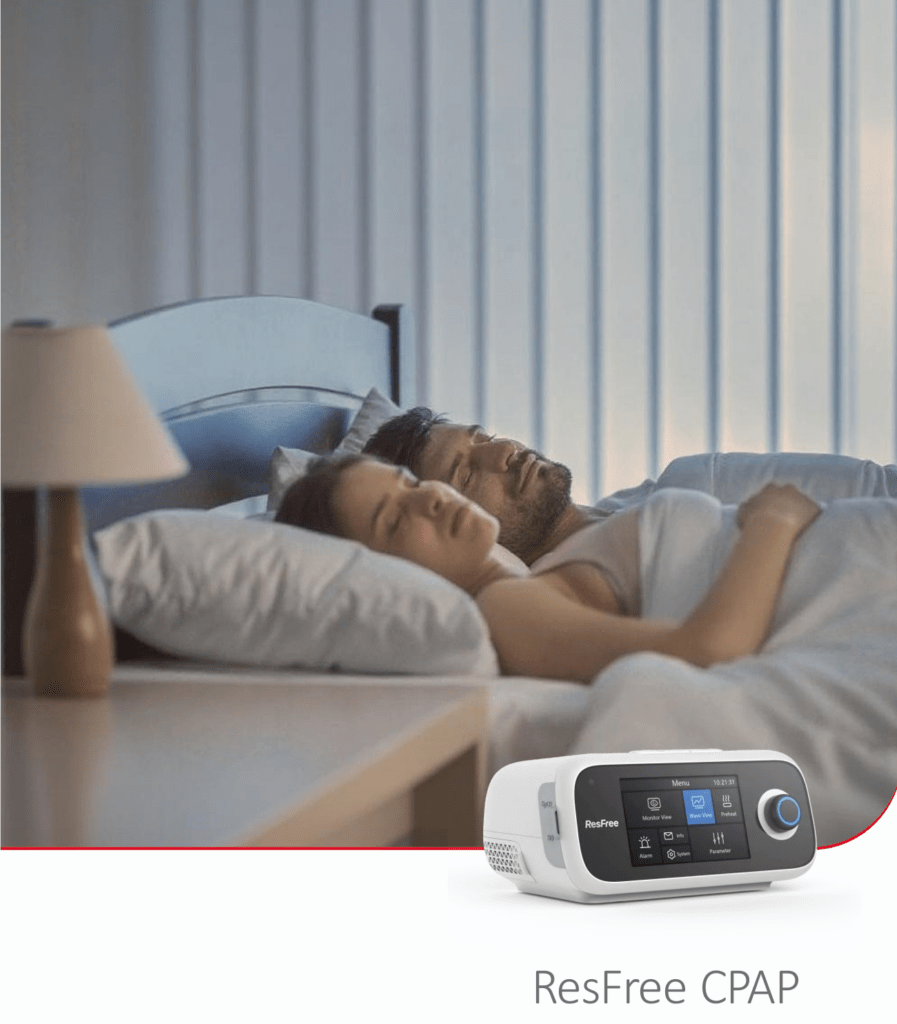
Operational teardown: testing and validation
Run a structured teardown to convert vendor specs into operational reality. Start with bench tests: measure delivered tidal volume across simulated leak scenarios, log IPAP/EPAP drift over four hours, and quantify minute ventilation error at three patient effort levels. Then follow with a usability protocol: time required to swap masks, clarity of alarm messages under 70 dB ambient noise, and battery discharge curve while running at two pressure-support settings. An operational teardown that tracks {main_keyword} alongside {variation_keyword} reveals gaps no spec sheet exposes. Protect the clinical pathway by validating the device under noninvasive ventilation conditions and confirming service turnaround times.
Common pitfalls and mitigation
Buyers underestimate service network depth and overestimate portability claims. Devices that look light on paper may need proprietary consumables that are hard to source. Another trap: assuming all pressure-support algorithms respond the same to spontaneous breathing — they don’t. Simple mitigations: require demonstrated spare-parts availability, ask for a local service SLA, and insist on leak-robust clinical profiles during trial periods — small steps that prevent larger disruptions.
Three golden rules for vendor selection
1) Verify physiological fidelity: insist on independent bench results showing tidal volume accuracy and leak compensation across realistic conditions. 2) Demand operational readiness: confirm battery endurance under target pressure-support, spare-part pipelines, and documented caregiver training. 3) Measure total cost of ownership: warranty scope, service turnaround, and consumables add more to lifetime cost than initial price. These metrics convert preferences into procurement intelligence and make trade-offs explicit.
Manufacturers that match rigorous testing with responsive field service reduce clinical risk and improve adherence. That practical balance — the one that turns reliable engineering into everyday care — is where Byond positions itself as a natural partner, offering validated home ventilation pathways and support that fits clinical workflows — a tangible difference for patients and teams. –