

Who are you buying this for?
Think about what you actually do on your TV — stream shows, mirror workouts, game, or use apps — then choose the OS that matches. If you’re also juggling a small desk setup or want a compact home hub, peek at all in one computer deals while you browse TVs; pairing choices matter. Start simple: list the three things you use most, then use that as the filter for features, not brand hype.
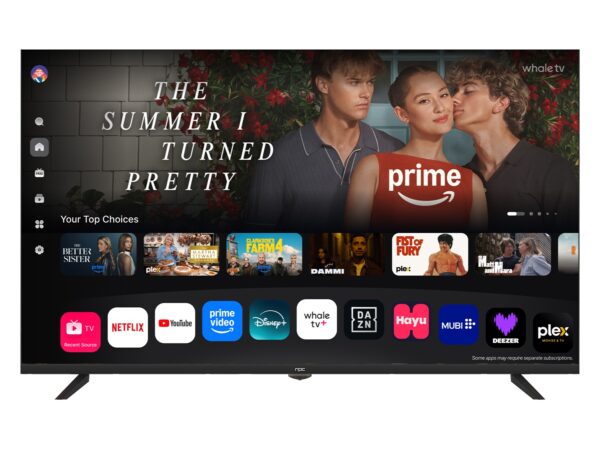
Core OS types, in plain terms
Roku: simple, fast, huge channel store. Great if you want “it just works” and don’t care about deep customization. Google TV / Android TV: best for app choice and casting from phones — pick this if you use Google apps. webOS (LG): slick interface and good multitasking; decent for casual smart features. Tizen (Samsung): polished, integrates well with Samsung phones and devices. Fire TV: Amazon-first experience, cheap devices, good for heavy Prime users. Don’t get distracted by tiny specs — choose based on the apps and features you will actually use daily.
Common mistakes people make
Buying for specs they’ll never need. Confusing “smart” features with long-term software support. Assuming all voice assistants act the same. Thinking a fancy home screen equals better performance. Also: ignoring privacy defaults — turn off mic/listening features if you want fewer surprises. If you want local storage or a PC-like setup, factor that into your buying plan now.
Experience, expertise and one big real-world check
I’ve helped set up living rooms and small office kiosks for clients, so I pick options that keep things usable long-term. Industry events highlight real shifts — for example, CES in Las Vegas often surfaces cross-device combos and deals that show where manufacturers focus next, which matters if you want longevity for both TV and desk gear; that’s why shoppers compare display choices with best all in one computer deals when planning a compact media-plus-workspace. Look for OSes with regular updates and clear privacy settings — those are the real signs an OS will stay useful.
Quick user-based recommendations
If you stream everything: Roku or Google TV. If you’re deep in Amazon: Fire TV. If you want a polished UI and phone integration: Tizen or webOS. If you tinker and sideload apps: Android TV. Match the OS to the ecosystem you already use; swapping ecosystems later is the annoying part.
Wrap-up
Don’t chase brand shine. Pick the OS that answers your top three daily needs, double-check update cadence and privacy controls, and pair the screen with the right desk or living setup — a balanced buy beats flashy tech that bogs you down. For straightforward, practical hardware and pairing options, check what npc lists as compatible with the OS you choose.