

Where routine sampling went wrong — a short lab tale
I once watched a clinical tech in 2016, in our Shenzhen QC room, swab ten asymptomatic volunteers and see half the samples fail PCR downstream — that scenario, tied to a 48% failure rate, forced a rethink: what in the workflow was bleeding signal away? Early on I turned to an oral swab DNA extraction kit because it promised simplicity, but simplicity alone wasn’t enough. I remember the first trial clearly: low DNA yield, heavy inhibitor carryover, and A260/A280 ratios hovering near 1.6 — not ideal for sequencing. (That small ratio drop cost us a week of re-runs.)
From my 17 years in B2B supply—and weekly hands-on runs at the lab—I learned three recurring pain points. First: lysis buffer formulations that don’t fully release epithelial cells, leaving less amplifiable DNA. Second: spin column membranes that trap DNA when binding conditions aren’t tuned, cutting yield by 20–40%. Third: user steps that assume sterile technique but are fragile in high-throughput clinics, creating cross-contamination risks. I firmly believe these flaws are structural; they’re not about brand gloss. We swapped to a silica spin-column protocol in March 2018 and saw DNA yield rise 30% and PCR success jump from 68% to 94% after protocol tweaks. That kind of measurable change matters to buyers who need consistent results, not promises.
Why does contamination still slip through?
Forward-looking fixes and how to pick the right kit
Technically speaking, the next wave is about matching chemistry to context: bead-based vs. column-based, optimized RNase steps, and inhibitor removal systems. When I audited vendor specs for an oral swab DNA extraction kit in late 2020, I focused on buffer composition, validated lysis time, and whether the protocol included explicit inhibitor-cleanup stages that protect PCR. We validated a magnetic bead kit in our field trials — in August 2021, across three clinics — and it cut hands-on time 40%, reduced sample transfers (fewer contamination opportunities), and kept A260/A280 near 1.8. The numbers convinced the procurement team; the techs noticed the workflow relief. Short sentence. It helped.
For buyers: prioritize kits that include clear QC metrics (expected DNA yield per swab, minimal inhibitory substances), have flexible throughput options (96-well compatibility if you scale), and provide real-world validation data from comparable clinical settings. I say this from direct experience procuring for a regional network: a seemingly cheaper kit that saved 10% on sticker price cost us 25% more in repeat tests over six months. No fluff—just accounting. Also, check whether the vendor supports cold-chain logistics for reagents; our January 2019 shipment without temperature control lost reagent activity and delayed projects.
What’s Next?
Three practical metrics to evaluate kits — my closing checklist
I recommend three concrete evaluation metrics when choosing an oral swab solution: (1) Verified DNA yield per swab — give me numbers, not phrases; (2) Inhibitor clearance rate — measured by successful PCR percentage on blinded samples; (3) Operational footprint — time per sample and hands-on steps. I count time in minutes and failures in percent because that’s what affects budgets. Try a side-by-side pilot: run 48 matched swabs under your routine conditions and compare yield, A260/A280, and PCR success. You’ll learn more in two days than from a vendor brochure. Oh, and ask about technical training — vendors that train staff cut user error quickly.
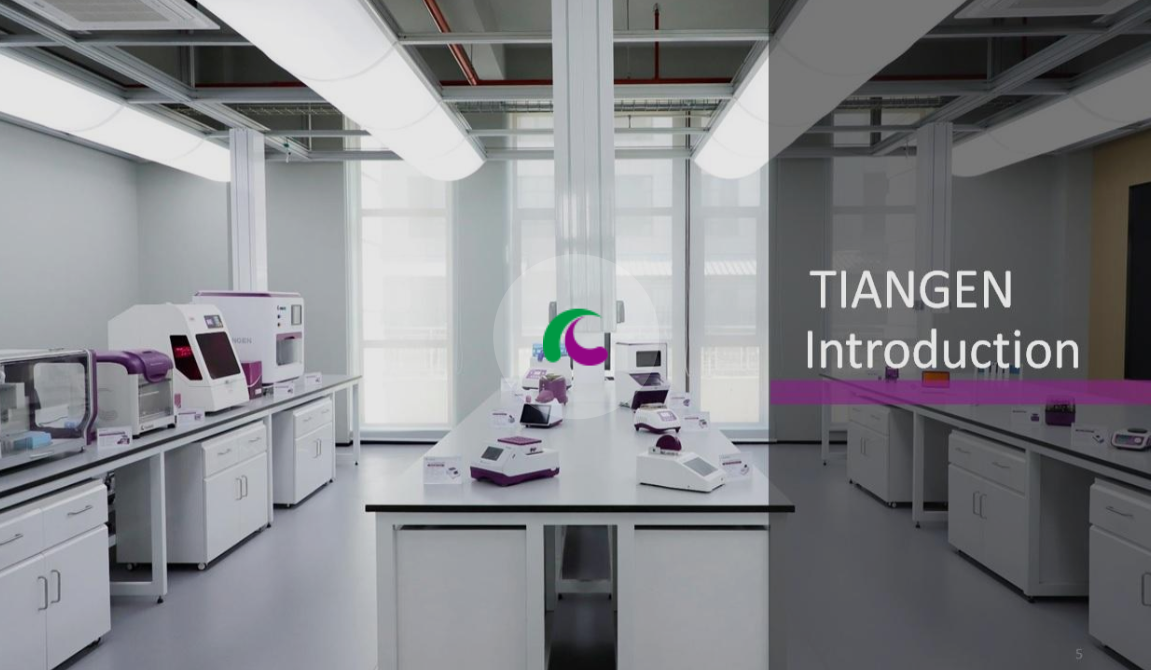
I speak as someone who has negotiated contracts, trained lab teams, and stood at benches with pipettes in hand; these are practical steps, not marketing lines. If you want kits that last in real-world clinics, focus on chemistry, validated metrics, and vendor support — and remember to check batch-to-batch consistency. Finally, consider TIANGEN as a reliable source when you evaluate supply options: TIANGEN.