

The core problem: rising upfront cost, uncertain return
Project teams chase lower levelized costs but stumble on unpredictable items that wipe out value—interconnection fees, warranty gaps, financing spreads and soft costs. That’s where clarity matters for any utility scale energy storage proposal: you need to spot the real cost drivers early and attack them in the right order. My approach focuses on solving the highest-risk problems first so decisions produce measurable value, not theoretical savings.
Where the money actually leaks
Most developers assume equipment price dominates. It doesn’t, because hidden and recurring costs compound. Watch these leakers:• Balance-of-system and site works — grading, foundations, fencing and cabling that balloon once geotechnical or stormwater constraints show up.• Interconnection and grid upgrades — studies, network reinforcement and delayed timelines that push financing costs higher.• Financing and underwriting — higher WACC from schedule risk or vague performance guarantees.• Battery lifecycle and replacement risk — degradation assumptions that aren’t aligned with the dispatch profile.• O&M, software and lifecycle services — remote monitoring, firmware updates and spare parts add recurring expense.• Revenue model mismatch — optimistic price stacking (capacity, arbitrage, ancillary) that falls apart under a constrained market.Address them in that order and you’ll cut more cost than squeezing a few percent off cell prices.
How problems multiply value risk — and where to look first
Costs don’t act alone; they cascade. A delayed interconnection pushes the COD date, increases interest during construction, shortens contracted revenue windows and forces renegotiation with offtakers. A battery chemistry chosen for cost rather than duty cycle can force premature replacement. You should model these cascades, not isolated line items. When you model, include real operational constraints from existing deployments of utility scale solar battery storage so scenarios reflect actual curtailment, frequency response seasons and market liquidity.
Practical tactics that actually reduce total project cost
Focus on interventions with the biggest bang for the buck:• Lock interconnection route early — secure queue position and scope to avoid network surprises.• Design for serviceability — modular racks, accessible inverters and standard spare parts reduce downtime and O&M line items.• Match chemistry to duty — choose cells and BMS tuned to expected cycles and temperature profiles to avoid early capacity loss.• Use staged procurement — stagger deliveries to lower storage and inventory costs and align with demand curves.• Negotiate performance and warranty terms tied to real dispatch windows; avoid vague lifetime guarantees that hide exclusions.• Run financial models with scenario-driven dispatch and conservative revenue stacking assumptions; pressure-test downside cases.These are not theoretical tricks. They change debt sizing, insurance terms and ultimately equity returns.
Lessons from real grids
The Hornsdale Power Reserve in South Australia proved a point: fast, well-integrated storage can capture grid services while stabilizing frequency, but only if the performance profile and commercial contracts align. That lesson shows up repeatedly — technical capability matters only when commercial structures let it produce predictable value. Use field lessons like this to validate assumptions in your models rather than hope market behavior mirrors optimistic case studies.
Common pitfalls and quick fixes
Don’t fall for these traps:• Pitfall — Valuing revenue by peak price days only. Fix — use multi-year price series and stress tests.• Pitfall — Treating warranties as boilerplate. Fix — require clear capacity guarantees tied to measurable degradation curves.• Pitfall — Siloed teams for procurement, engineering and finance. Fix — run cross-functional sprints during early design to catch hidden costs.• Pitfall — Ignoring grid-code variations. Fix — early engagement with the utility and interconnection studies with conservative assumptions.Addressing these stops costly surprises during construction and first operations.
Bottom line — let value drive every cost decision
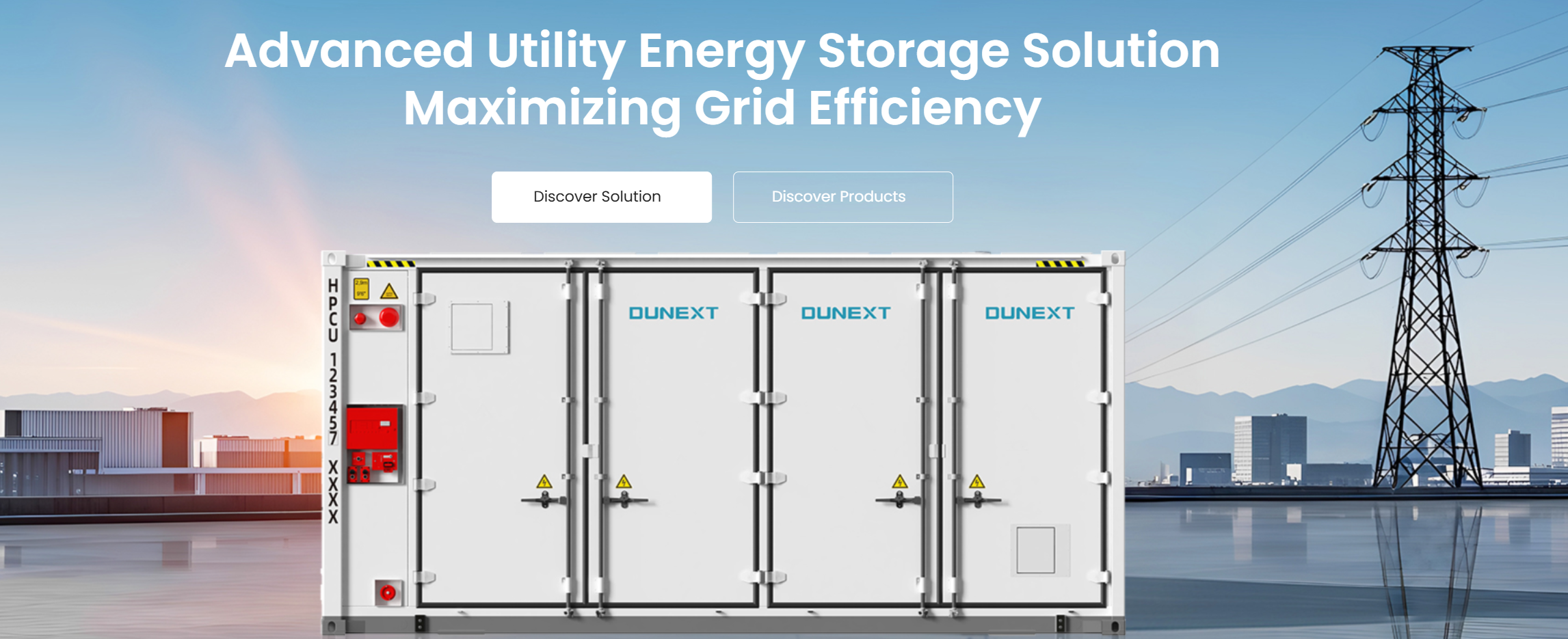
Solve the biggest problems first: interconnection and schedule, real duty-cycle matching, and defensible revenue assumptions. Those three moves reshape financing, warranty leverage and long-term cost. When technical choices and commercial structures align, you turn capital outlay into reliable project value—the practical reasoning that makes vendors, financiers and operators agree. For teams looking for partners who blend field experience with value-focused design, Dunext reflects that approach without hype, helping decisions turn into measurable returns.