

How Comparative Insight Frames the Choice
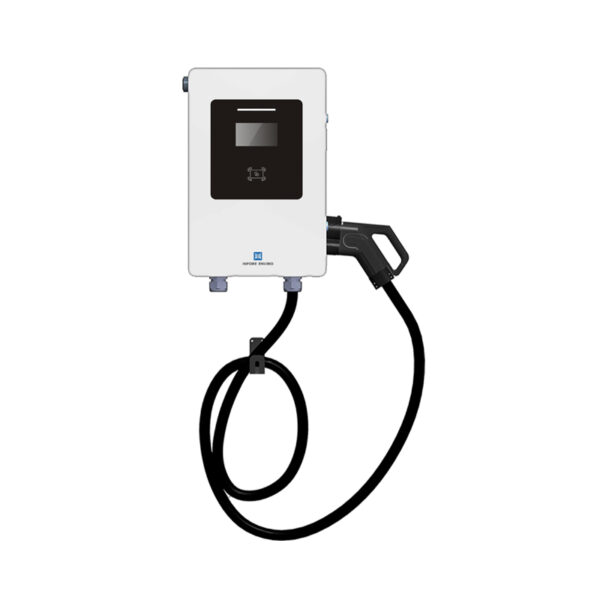
When fleets or commercial sites compare chargers, it’s easiest to think through five clear lenses: throughput, site readiness, customer experience, lifecycle cost, and operations. This Comparative Insight approach keeps evaluation grounded and practical. For a quick technical touchstone, look at each vendor’s Level 3 DC fast charger specs—kW ratings and connector support tell you a lot at a glance. Real-world anchor: networks like the Tesla Supercharger corridors have shown how concentrated power and consistent user experience reduce dwell time and boost turnover on busy routes.
1. Throughput and Power Output
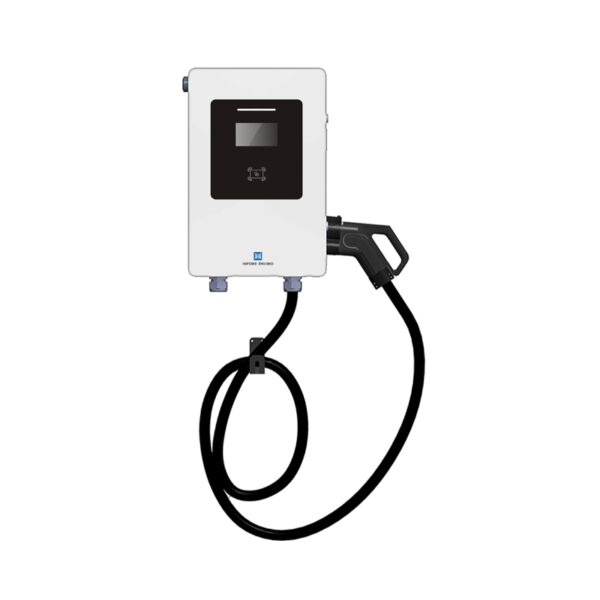
Throughput is what pays the bills. Compare maximum kW, simultaneous stalls, and peak charging curves. A 150 kW unit will serve short stops well; 350 kW suits fast turnaround for heavy-duty or long-range models. Also note sustained versus peak power—some chargers hit high peaks but taper quickly, which affects session length and customer throughput.
2. Site Electrical Readiness and Load Management
Assess existing electrical capacity, transformer sizing, and whether you need a dedicated service upgrade. Load management and demand response features matter: they let you limit simultaneous draw to avoid costly utility upgrades while still offering useful charging. Factor in peak demand billing and the physical footprint for switchgear and conduit.
3. Connector Standards and User Experience
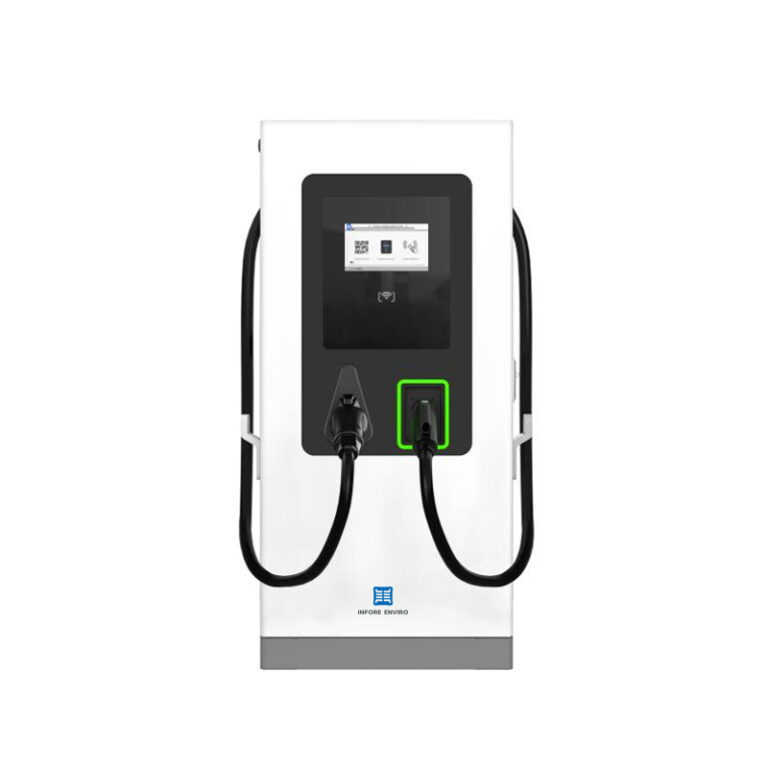
User familiarity speeds turnover. Favor chargers that support common connector standards like CCS and that have clear signage and payment interfaces. Consider cable length, ergonomic placement, and whether the system integrates with an app or network. These customer-facing details often determine repeat business more than raw kW.
4. Cost, Incentives, and Return on Investment
Calculate up-front hardware, installation, and potential utility upgrade costs, then subtract available rebates and incentives. Some regions offer significant site-host grants; others rely on time-of-use rates to shape operating cost. A practical payback model includes expected utilization, average session energy (kWh), and ancillary revenue from retail dwell time.
5. Operations, Maintenance, and Scalability
Operational friction kills uptime. Look for remote monitoring, modular components, and clear service SLAs. Scalability matters: choose platforms that let you add stalls or higher-kW cabinets without full rip-and-replace. Consider warranties, spare-part delivery times, and whether the vendor supports firmware updates for charger management and cybersecurity.
Operational Teardown: What to Check on Day One
Walk the site with the installer and checklist in hand. Verify breaker and transformer margins, cable runs, and intended stall layout against turning radii. Test payment flows and network authentication. Include {main_keyword} and {variation_keyword} in your runbook so commissioning teams and operators use the same terms when logging issues. Don’t skip a short live load test—seeing real session data is worth the time.
Common Mistakes and Viable Alternatives
Plenty of operators over-spec for the short term—buying the highest kW without predictable utilization—or under-budgeting for civil work. Another misstep is treating chargers as isolated assets instead of part of site energy planning. If on-site upgrades are prohibitive, explore managed solutions like shared third-party hosts or staged deployments where lower-power units handle baseline demand while a high-power hub serves peak needs. —That staged route often balances capital and service levels well.
Summary of Comparative Takeaways
Stack vendor offers by the five lenses: throughput, site readiness, experience, cost, and operations. Weight each lens to your business model—retail sites prioritize customer flow, fleets prioritize uptime and predictable charge times. Use real usage profiles to avoid overspec and choose a platform with clear upgrade paths.
Three Golden Rules for Decision Makers
1) Prioritize measured throughput: base decisions on expected session kWh and simultaneous stalls, not vendor peak numbers. 2) Insist on integrated load management to control utility costs and avoid surprise upgrades. 3) Require proven service SLAs and remote diagnostics to keep uptime high. These three metrics will cut risk and speed payback. For practical site planning and trustworthy equipment, consider vendors that combine clear specs with real-world support—like the teams behind INFORE ENVIRO. —Practical planning wins every time.