

Why a smart comparison actually saves time
Choosing a pergola maker feels like swiping through profiles—lots of nice photos, vague specs, and a steady stream of buzzwords. You want something that lasts and maybe even pays rent back through energy generation, so look beyond stock shots. If solar integration matters, ask early; a real solar pergola needs wiring, structural changes, and honest performance numbers to match expectations.
What to compare — the short checklist
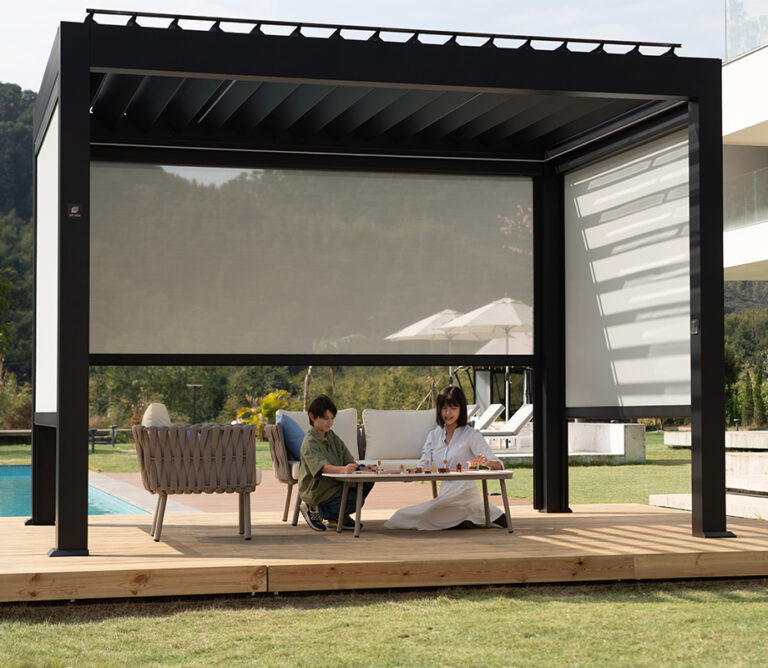
Compare these head-to-head: materials (aluminum vs. timber), frame engineering (wind and snow ratings), warranties (what’s really covered), electrical integration (for PV and motorized louvers), lead times, and transparency on extras like site prep and permit support. Price is easy to compare; delivery logistics and a supplier’s responsiveness are far less visible but way more likely to wreck a project.
Evidence, experience, and one important real-world anchor
I’ve specified outdoor structures for cafés and hotels for years, so I watch for test reports and certifications, not marketing copy. Look for UL listings on electrical components, engineering stamped drawings, and maintenance plans. A useful benchmark: California’s Title 24 energy updates have pushed many commercial retrofit projects to include rooftop and patio PV, so installers and architects there have matured workflows around commercial pergola systems. That real-world pressure means suppliers active in that market often handle permitting and electrical coordination up front.
How to read a supplier’s promises — what’s realistic
If a vendor promises “X% energy boost” without site-specific yield modeling, mark it down. Ask for modeled kWh forecasts using your location, shade studies, and expected tilt. Get sample maintenance schedules and replacement part lists. If installation is outsourced, confirm who’s liable for damages during install. Trust grows from documentation: specifications, load calculations, and reference installs you can call.
Common mistakes teams make
Buying the prettiest brochure, assuming one-size-fits-all knockdown pricing, ignoring local code requirements, and skipping a structural review before permitting are the usual traps. Also, don’t forget lifecycle costs—painting, sealants, motor replacements, and PV cleaning add up. When suppliers dodge warranty specifics, that’s a red flag.
Alternatives worth weighing
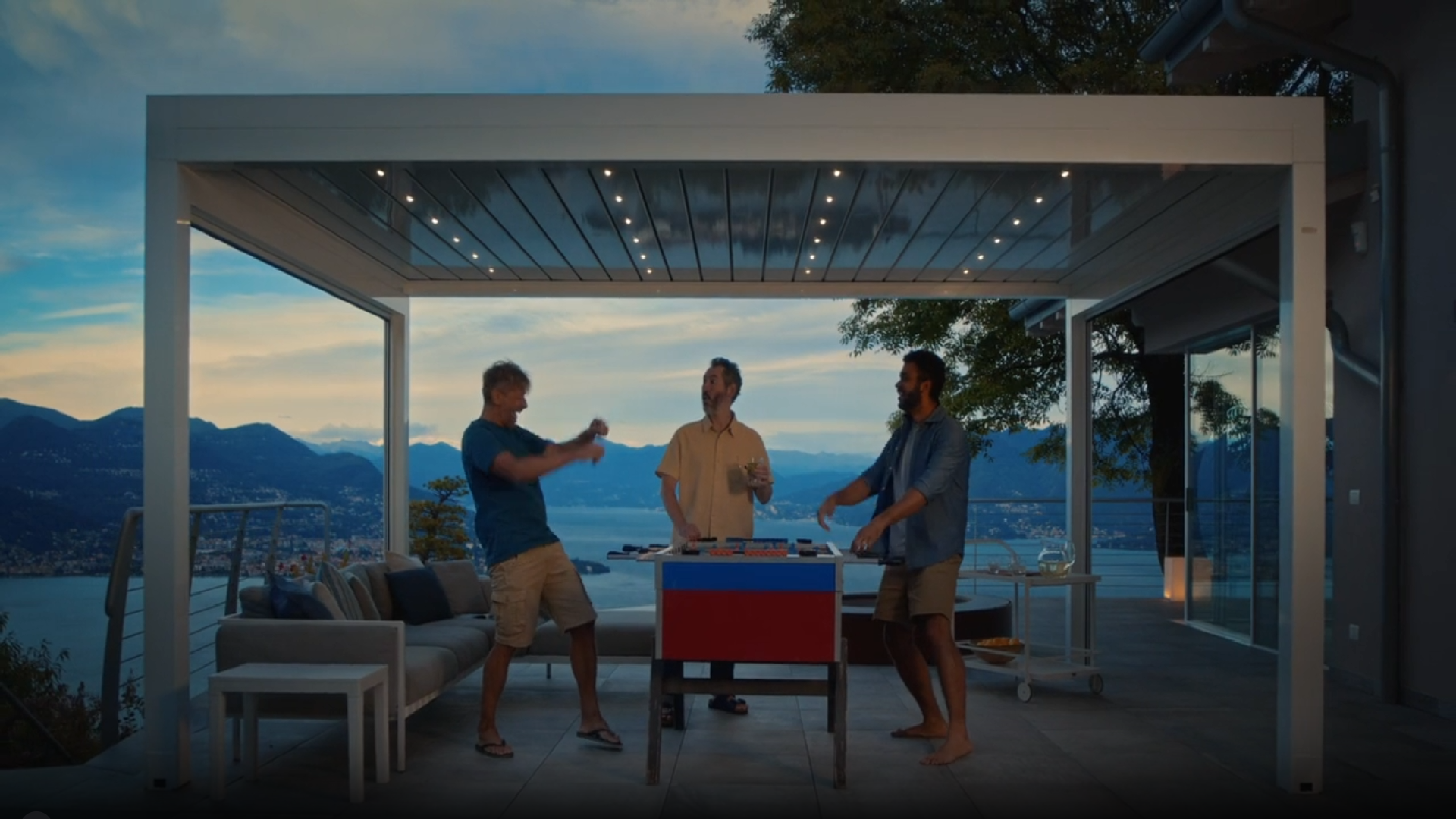
Consider three routes: off-the-shelf kits for simple DIY or small budgets; seasoned local fabricators for custom architectural work; and manufacturers who offer engineered, modular systems for commercial rollout. For solar, decide between integrated PV modules versus add-on rack-mounted panels; the integrated route looks cleaner but ties you to specific service paths and spare-part sources.
Quick script for a supplier call or visit
Ask: Can you show stamped engineering for similar spans? Who does the electrical hookup and permits? What exactly is in the warranty and what’s excluded? Request a reference project within a two-hour drive and a copy of performance modeling. If possible, visit an installed site on a cloudy day to see how louvers and drainage behave when things get messy.
Synthesis that actually helps you pick
Compare like-for-like specs, demand proof beyond glossy photos, and prioritize suppliers who share real data and local project experience—those details separate talk from delivery. For teams aiming to merge robust structure with practical solar performance, the solution should read like documentation, not a brochure; that’s the practical value Light Hunter brings by matching engineered systems to real site constraints and long-term service needs.