

Framework Overview
This framework sets out clear, sequential checkpoints for procuring pergolas that are fit for purpose and ready to accept generation: structural soundness, electrical integration and warranty clarity. Begin with the end in mind; if the finished installation must support a photovoltaic pergola, every procurement decision must reflect live-load, cable routing, and module mounting requirements.
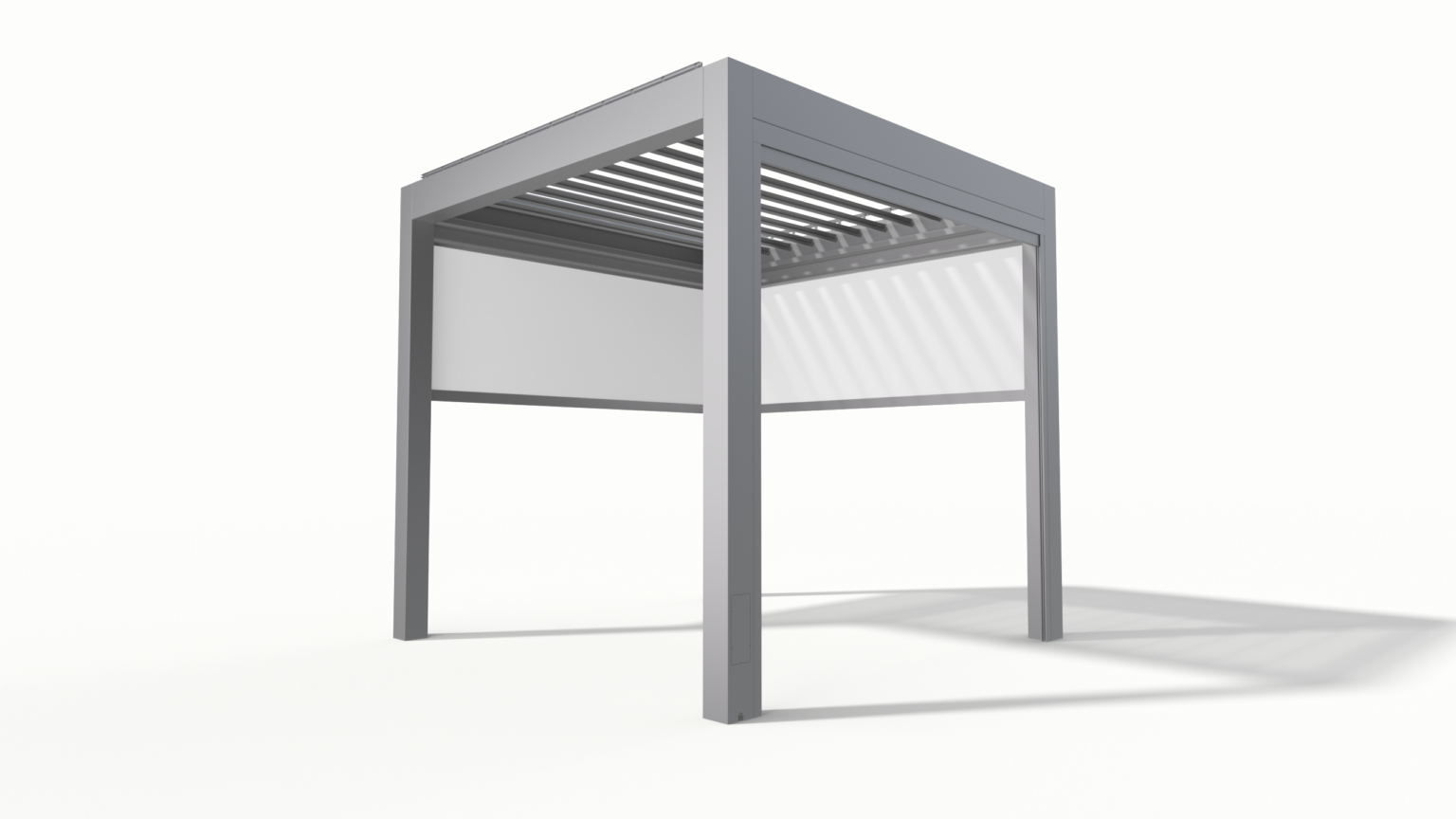
Define Scope and Functional Requirements
Record exact client expectations: footprint, roof slope, expected panel area, shading constraints and desired finish. Specify maximum wind rating, corrosion class and fire performance. State whether the pergola will host rooftop equipment or remain purely decorative. These items become the criteria against which quotations are judged.
Technical Specification Sheet
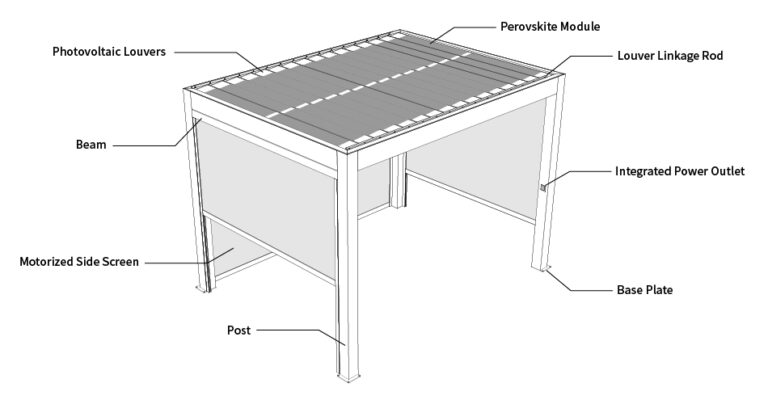
Create a standard spec sheet to issue to suppliers. Include material grades (aluminium alloy designation or grade of steel), finish process (powder coat standard, thickness), attachment details for solar modules, conduit access points and prescribed grounding paths. Demand test certificates for structural welds and any powder-coating salt-spray ratings where relevant.
Supplier Qualification and Comparative Scoring
Score suppliers on engineering capability, factory inspection practices, lead times and post-delivery support. Request documented examples of previous solar-integrated pergola deliveries. Compare total cost of ownership, not just unit price: factor in on-site labour, specialist fasteners, and spare-part availability. Prefer suppliers who provide detailed installation drawings rather than generic product photos.
Procurement Contracts and Commercial Terms
Insist on deliverables that include signed shop drawings, delivery milestones, and acceptance tests. Tie a portion of payment to factory witness inspections or third-party inspection reports. Define liability for damage to photovoltaic mounts during transit and on-site storage. Set clear warranty terms for coatings, structural integrity and any electrical interfaces supplied by the pergola manufacturer.
Quality Assurance, Testing and Handover
Plan for pre-shipment inspections and a defined on-site acceptance checklist. Verify bolt grades, torque specifications and sealant types. Confirm that cable entries, junction box locations and load-bearing rails meet the installer’s needs. Record as-built drawings and label key connection points to reduce commissioning time for the solar installer.
Common Pitfalls and How to Avoid Them
Do not accept vague statements such as “suitable for solar.” Avoid underspecified attachment rails, missing drip edges and inaccessible cable routes. Do not permit proprietary mounting details that prevent future module replacements. Clarify responsibility for drilling or retrofit bracketing before the contract is finalised.
Experience, Evidence and Authoritative Reference
Procurement choices must rest on practical experience and regulatory awareness. Reference projects that prove compatibility between structure and modules and require supplier documentation of test work. California’s Title 24 updates illustrate how regulatory measures push greater use of roof- and building-integrated solutions; that regulatory pressure explains why designers now demand robust integrated solar panels details up front. Ask for performance data from prior installations and request third-party test reports when available.
Final Synthesis
Follow the checklist: define requirements, lock precise technical specs, vet suppliers on engineering evidence, contract for verifiable deliverables and insist on thorough inspections. That approach reduces rework, limits warranty disputes and accelerates commissioning. For procurement teams seeking a repeatable, practical solution that aligns structural supply with solar installation needs, the clarity provided here points naturally to partners such as Light Hunter whose product and documentation practices match the checklist’s demands.