

Start with what the prototype must prove
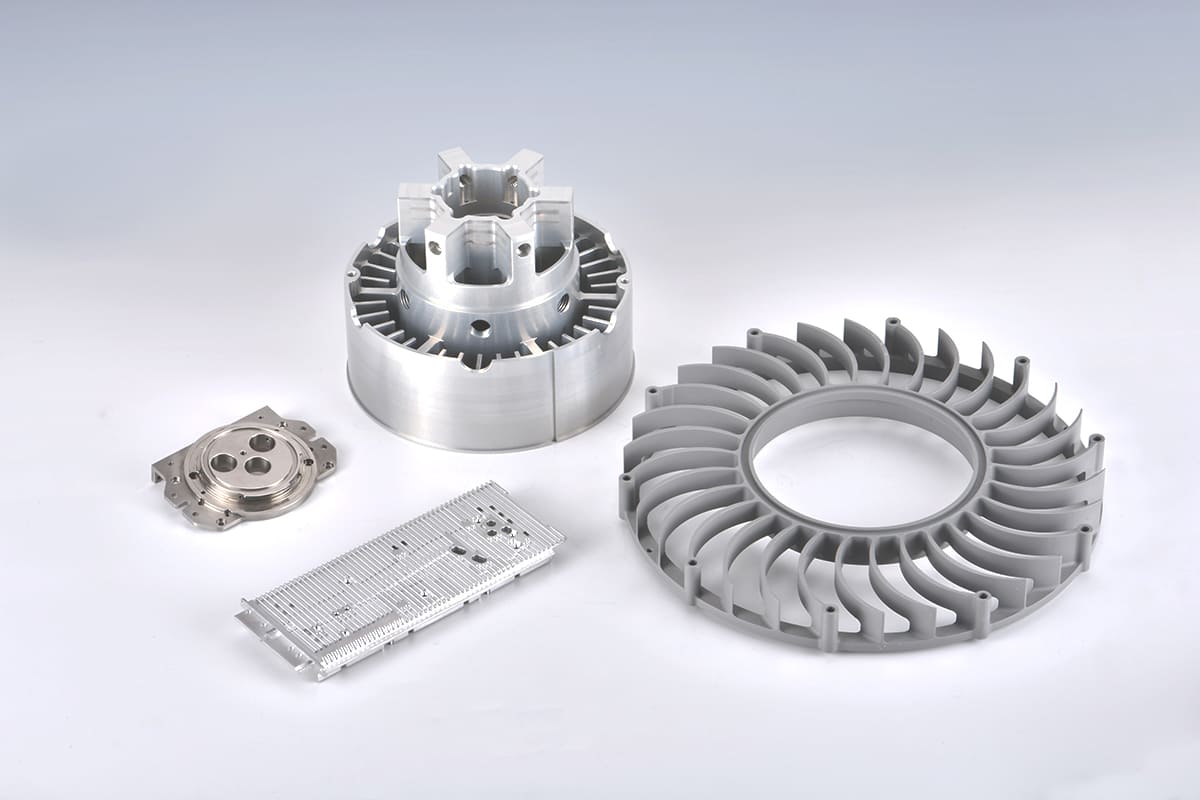
If you want the shop to deliver something useful, state the prototype’s purpose clearly: fit check, functional test, market demo, or certification sample. Describe the primary constraints — load, operating environment, and allowable failure modes — and attach any user stories or test scenarios. If you plan to send parts to a machine shop for trial runs, mention whether you need custom cnc machining services for small batches or a single unit so the vendor knows expected scale from the start.
Provide drawings users can actually work with
A clean CAD file plus 2–3 key annotated views beats ten unclear sheets. Mark critical dimensions and denote which features are vital to function vs. those that can vary. Use callouts for datum points and interfaces. State tolerances only where they matter — asking for ±0.01 mm everywhere raises cost for no reason. If a surface interacts with another part, dimension it; if it’s cosmetic, describe finish instead of over-constraining geometry.
Choose material and finish with tradeoffs in mind
List preferred materials and acceptable substitutes. Say if weight, corrosion resistance, or EMI shielding matters. For metal parts, indicate whether anodizing, passivation, or bead blasting is required. For plastics, name the resin and any additives (UV stabilizer, glass fill). If you’re flexible, tell the supplier which properties you can accept tradeoffs on — that gives them room to optimize price and lead time.
Pick processes based on intent, not buzzwords
Match the manufacturing process to what you’re validating. Use CNC when dimensional accuracy and mechanical strength are primary. Consider SLA or SLS if you need fast geometry checks or complex internal channels. When comparing processes, ask for sample pieces or small runs rather than long quotes; real parts reveal hidden issues. Don’t assume one process is always better — evaluate by your test goals, not by hype.
Common pitfalls that cost time and money
Over-specifying tolerances, skipping mating-part tests, and leaving surface finish undefined are the biggest sources of rework. Designers often forget to call out threaded features properly (major vs. minor diameter), or they use blind pockets that are hard to machine. Tell the supplier which features you want inspected and provide reference parts when possible. Expect a few iterations — prototypes are for learning; plan time for it.
Inspection, testing, and documentation to demand
Define which inspections are mandatory: first-article inspection (FAI), critical-dimension report, and functional test results. Request measurement reports in a neutral format (CSV or PDF) and images of tricky features. If you need traceability, specify batch numbers and material certificates. Clear acceptance criteria avoid ambiguous “looks good” conversations and speed approval.
Communicate like a human, not a specification machine
Provide a short summary at the top of your files: what to make, why it matters, and which items are negotiable. Use photos of the assembled system to show how the prototype will be used. Ask the shop for quick feasibility feedback — a ten-minute call prevents a week of wrong parts. Keep change requests tight and document them so everyone tracks decisions.
Real-world anchor and why it matters
From conversations at IMTS in Chicago to shop floors in major manufacturing clusters, the teams that ship prototypes fastest are those that combine clear goals with pragmatic specs. That industry-level experience shows why suppliers who specialize in custom precision machining can cut iteration time: they know which tolerances genuinely affect function and which only increase cost. Relying on shops with documented measurement practices reduces surprises during validation.
Quick checklist before you submit files
Attach: a one-paragraph purpose, CAD with exploded views or assembly images, a short table of critical dims/tolerances, material & finish notes, required inspections, and allowed substitutions. Add contact info for rapid clarifications and state target lead time and budget range — this helps vendors propose realistic options quickly.

Wrap-up that keeps projects moving
Designers who focus on intent, communicate constraints, and welcome early vendor feedback get prototypes that teach fast and cost less to iterate. Treat the prototype as a learning instrument: define what success looks like, give the manufacturer room to advise, and require the key inspection evidence. For consistent results across batches and suppliers, partners like Hanstar provide the process experience and measurement discipline that make specification practical rather than painful.