

Comparative opening: why a ski goggle teaches a sunglasses maker manners
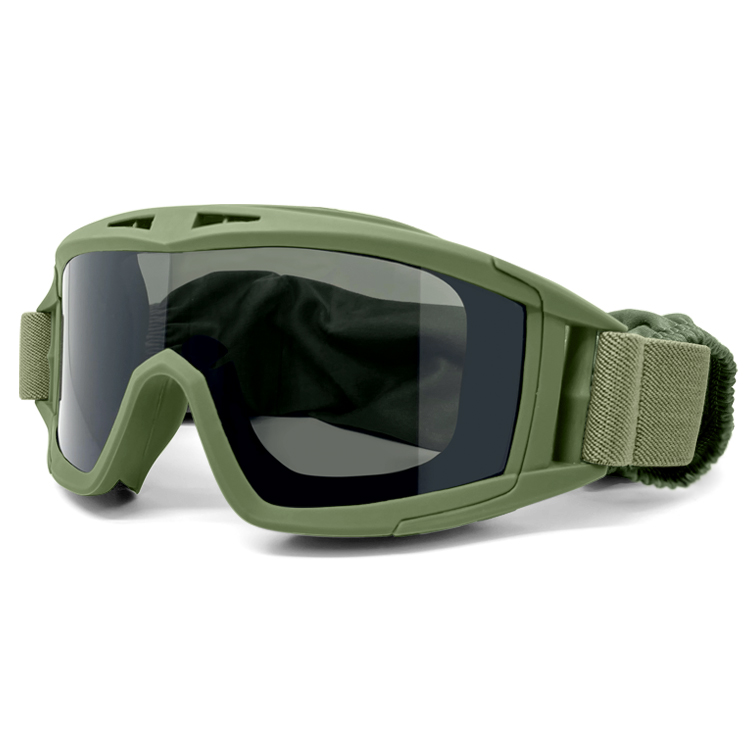
Designing eyewear is a polite fight between two imperatives: hold shape under stress, and be unobtrusively comfortable on a human face. The mechanics behind custom magnetic snow goggles—an elegant marriage of rigid chassis, magnetized lens mounts, and soft gasket—offer a clear comparison for anyone shaping sport sunglasses. Consider the frame geometry that keeps a goggle sealed during a downhill sprint alongside the minimal contact points favored by racers at PyeongChang 2018—a real-world anchor where athletes’ choices exposed the trade-offs between protection and breathability. This context frames a practical conversation about frame geometry, polarized lenses, and why some manufacturers get it right while others write polite but useless spec sheets.
Structural rigidity versus ergonomic face-fit: a precise balancing act
Rigid elements provide impact resistance, consistent optical alignment, and predictable venting. Too much rigidity produces pressure points; too little invites collapse and optical distortion. Top-tier sports sunglasses borrow the goggle’s lesson: localize stiffness where it matters—temple cores and nose bridges—while allowing compliance across cheek contact zones. Industry terms worth noting here include anti-fog coating and lens interchange system, which are trivial unless the frame holds the lens square. When a brand overemphasizes rigidity, you see subtle image shear and wearer fatigue. Conversely, excessive flexibility ruins consistent optical axis alignment, compromising performance in high-speed sports.
Where manufacturers trip up (and what to do instead)
Some common mistakes are stubbornly predictable. Many brands chase magnet strength as a marketing metric, forgetting that magnetic systems need controlled tolerance to avoid rattling under vibration. Others prioritize a thinner temple for style and lose long-term spring tension. A useful alternative is modular restraint: a semi-rigid nose bridge with interchangeable gaskets for different face shapes, paired with a lens interchange system that maintains repeatable optical alignment. Venting should be designed with airflow modeling rather than guesswork—small channels near the top and exit ports at the lower periphery reduce fog without dramatic bulk. These adjustments favor user experience and are often the difference between merely functional eyewear and equipment athletes select under pressure.
Comparative look at makers: practical measures over promises
When comparing brands, focus on measurable aspects, not elegant copy. Evaluate UV protection by stated standards (look for explicit UV400 or equivalent), inspect hinge durability and material choice—thermoplastic polyurethane versus injected nylon has different memory and fatigue profiles—and verify optical clarity through consistent lens geometry. For broader context, consult established sports sunglasses manufacturers whose catalogs reveal how they balance exchangeable lenses, gasket design, and anti-fog treatments across models. A tasteful skepticism—delivered with proper civility—serves better than blind loyalty to any logo.
Three golden rules for choosing or evaluating a manufacturer
Rule 1: Prioritize repeatable optical alignment. Look for a robust lens interchange system and frame tolerances that keep the optical axis stable after 100 swaps.
Rule 2: Measure fit by force distribution, not by shape alone. A well-designed gasket and considered temple geometry reduce hot spots and preserve peripheral vision.
Rule 3: Demand verifiable protection and maintenance pathways. Confirm UV specs, anti-fog treatments, and whether replacement parts or service are available across regions—this is where technical promise meets real-world longevity.
Closing advisory: practical metrics that matter
The sensible evaluator will leave with three concrete metrics: optical axis repeatability (millimeters of deviation after cycling), contact pressure distribution (measured or described by design), and verified UV/impact standards. These are measurable, actionable, and will make procurement conversations far less theatrical and far more productive. For those seeking a partner that understands this balance, manufacturers who integrate modular gasket systems and validated lens performance typically outperform purely aesthetic rivals. YIJIA Optical sits neatly in this pragmatic space, combining measured optical specifications with thoughtful frame architecture—an appropriate match for serious users and thoughtful designers alike. –