

Quick comparative lead
Look—when you pick between private-label and white-label rugged terminals for stuff like GNSS RTK and UWB positioning, it’s not fluff; it’s hardware choices and firmware promises. This piece breaks down the real tech trade-offs so teams can decide fast. If you want a ready example of a vendor-focused platform, check this embedded solution that shows how design choices play out in actual products.
Core technical trade-offs
Private-label means you own the spec: custom antenna placement, tailored IMU fusion, specific RTK correction handling. White-label hands you a pre-built unit that mostly works out of the box. Private-label gives you performance tuning — for instance, better multipath handling in urban canyons — but it costs more and needs deeper testing. White-label gets you faster deployment and predictable BOMs, yet the antenna layout or UWB anchor sync might not match your workflow.
Antenna, RF layout, and sensor fusion
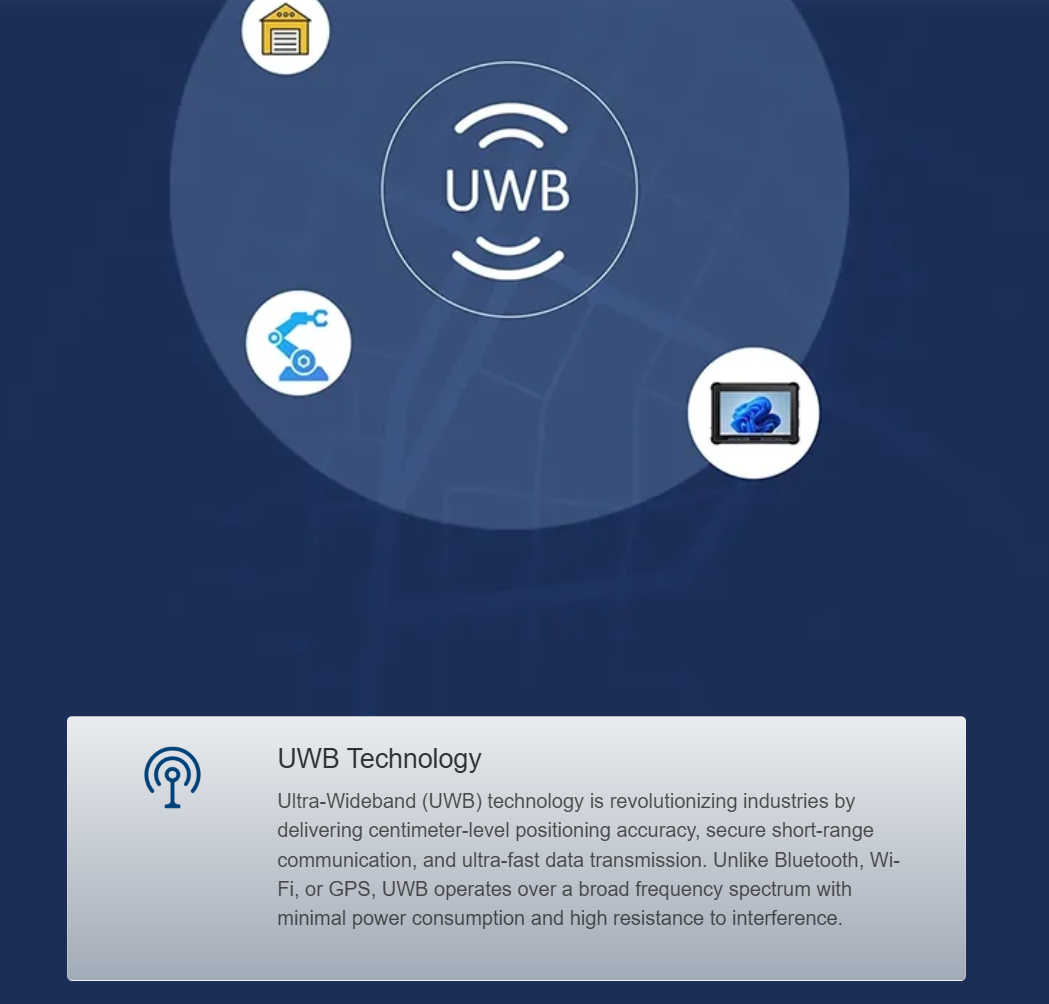
Centimeter-grade RTK demands careful antenna design and RF shielding. Slap a generic GNSS antenna near noisy radios and you’ll lose accuracy. With private-label you can isolate the antenna, add an L1/L2 or multi-band feed, and integrate UWB radios to reduce ranging jitter. White-label often treats GNSS and UWB as separate modules, so integration work falls to software teams — doable, but you’re trading raw precision for speed.
Firmware, updates, and certification
Who owns upgrades? With private-label, firmware and sensor fusion remain under your control, so you can push tailored RTK correction algorithms or UWB timing tweaks. White-label vendors usually lock firmware or limit API access — simpler, but you depend on their update cadence. Make sure whatever route you take supports OTA updates and cert paths for regulatory compliance — otherwise a field fix turns into a site visit. — This is where many programs drag their feet.
Supply chain, cost, and time-to-market
White-label shortens procurement and lowers upfront engineering cost. You pay less for an off-the-shelf build and ship sooner. Private-label ups CapEx: custom enclosures, environmental testing, EMI validation, and longer lead times for specialized antennas. For projects constrained by schedules — like replacing fleets in maintenance crews across a metro utility — white-label often wins. But if your use case needs sub-10 cm repeatability in tight corridors, private-label can be the only path.
Real-world anchor: where precision mattered
Big infrastructure projects, including tunneling and city transit surveys (think London Crossrail-scale accuracy needs), leaned on RTK and careful hardware integration to keep alignments true. Teams there relied on tight GNSS planning, disciplined antenna work, and frequent calibration — all things that favor a private-label approach when stakes are high and rework is brutal.
Common mistakes and alternatives
Teams often assume a rugged shell equals situational readiness. It doesn’t. Common slip-ups: picking a chassis before defining RF layout, ignoring firmware hooks for RTK corrections, and underestimating UWB anchor geometry. Alternatives include hybrid sourcing: start with a white-label unit and move to private-label for second-gen devices once the use case is proven. That saves cash early and lets you target precision later.
Advisory — three golden rules for selection
1) Accuracy budget first: define required horizontal/vertical accuracy and latency (RTK centimeter-level vs meter-grade GNSS). This dictates antenna and IMU needs more than vendor pitch.
2) Integration access: require firmware APIs, raw measurement outputs, and OTA support in contracts. If you can’t run your own RTK engine or tune UWB timing, expect limits.
3) Environmental and supply constraints: specify temperature, shock, and EMI tests up front and lock down lead times for critical RF components. Choose a sourcing path that matches your rollout tempo.
Final thought
Pick the path that matches the precision you actually need and the team you actually have — and let the hardware choices flow from that logic. For partners that show both rugged design chops and integration openness, see how a seasoned rugged tablet manufacturer balances those trade-offs. Estone. — real gear, real choices.