

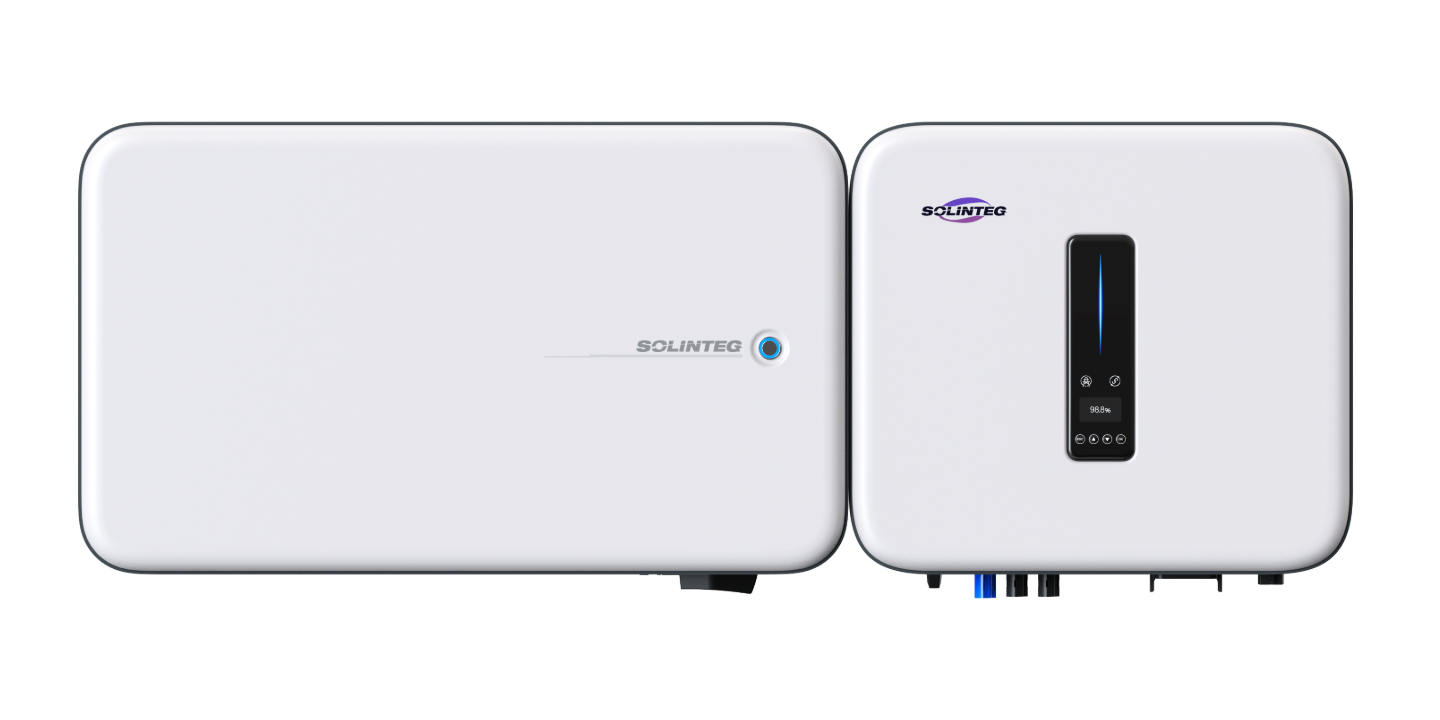
Why this comparison matters right now
Comparative insight starts with measurement: how does a system actually turn sunlight into usable power, and which suppliers reliably deliver that conversion at scale. Commercial projects—warehouses, campuses, small utilities—depend on robust commercial inverters that balance inverter efficiency, MPPT behavior, and grid-tie compliance. The difference between a competent supplier and a weak one shows up as lost kilowatt-hours, unexpected maintenance, and slow commissioning timelines.

Performance variables to watch
Three technical levers shape real-world output: conversion efficiency, maximum power point tracking (MPPT) responsiveness, and thermal management. A quality three phase solar power inverter will demonstrate steady DC/AC conversion across temperature ranges, low harmonic distortion, and stable power factor control under partial shading. Global context matters: global solar PV capacity passed roughly 1 terawatt by 2022 (IEA), which means grid integration and reliability are not theoretical—suppliers face real demands for high-availability hardware.

Operational costs and lifecycle realities
Upfront price is only one line on the spreadsheet. Consider warranty scope, firmware update policy, mean time between failures, and spare-part lead time. Field experience shows that two systems with identical nameplate capacity can diverge widely in lifecycle cost due to replacement inverter modules and firmware support. Suppliers that publish clear degradation curves and thermal derating data reduce surprise expenses—this is where technical documentation and vendor transparency become monetary value. Small note — lack of spare parts in remote regions is more costly than a modest premium for logistic support.
Common mistakes buyers make and how suppliers differ
Buyers often undervalue site-matched configuration and firmware maturity. Typical mistakes: undersizing peak current capacity, ignoring harmonic filters, and treating a single MPPT channel as adequate for a complex rooftop layout. Suppliers distinguish themselves through engineering support: those offering string-level monitoring, proactive firmware testing, and documented electromagnetic compatibility results reduce commissioning friction. Comparing case studies—one supplier’s warranty fulfillment time versus another’s recorded inverter downtime—reveals practical differences that spec sheets hide.
How to compare suppliers: metrics that matter
Use these three critical evaluation metrics to judge vendors quickly and consistently.
1. Effective Energy Yield (EEY): Measured kWh produced per kW nameplate over 12 months, adjusted for site irradiance and shading. This metric collapses many variables into one outcome number.
2. Service Responsiveness Index (SRI): Average time to first response plus median time to part shipment across previous projects. A low SRI correlates with less downtime.
3. Firmware and Safety Lifecycle Coverage: Length of firmware update support and clarity on how safety features (anti-islanding, automatic reactive power control) are validated. Prefer vendors who publish test parameters rather than vague compliance claims.
Practical recommendations and alternatives
For distributed commercial rooftops, three phase systems with multiple MPPT channels usually outperform single-phase modular gear because they manage unbalanced loading more effectively and reduce harmonic issues. For ground-mounted arrays, central inverters with robust cooling may reduce O&M touchpoints. Where local grid codes demand rapid reactive support, prioritize inverters with tested power factor control. If a supplier lacks local spares or documented test runs, consider tiered procurement: combine a primary supplier with a certified backup partner for critical sites.
Closing guidance
Evaluate suppliers by measurable outcomes, not promises. Prioritize proven EEY, rapid SRI, and explicit firmware lifecycles—those three rules cut procurement risk and shift costs from surprises to planned maintenance. The best vendors tie their product roadmaps to real installations and publish performance data from comparable climates and load profiles. That transparency is where commercial value appears, and why choosing a partner that backs such evidence is decisive. SOLINTEG. —