

Cell line–derived xenograft (CDX) studies offer a clear structural logic: controlled tumor input, repeatable endpoints, and a tight timeline. Use that logic as a framework and you get cleaner decisions earlier in development — especially when moving from oncology into immune-driven work like autoimmune disease models. This piece maps those CDX lessons into practical steps for designing preclinical trials focused on inflammatory biology, balancing throughput, signal fidelity, and translational relevance while keeping regulators and translational partners in sight.
Why a CDX-inspired framework fits inflammatory studies
CDX experiments enforce discipline: defined cell lines, consistent engraftment, and repeatable measurements. Translating that discipline to inflammation studies means specifying immune inputs, readouts, and timing with equal rigor. The advantage: you reduce noise without sacrificing biological relevance. In Boston and Cambridge biotech hubs, teams learned this the hard way — early projects that borrowed CDX rigor from oncology cut attrition later in development, a lesson echoed in public regulator discussions about preclinical predictivity. The framework borrows CDX clarity but adapts endpoints and cohorts for immune activity rather than tumor volume.
Core components of the framework
Build the design around five pillars:
– Defined biological input: choose well-characterized cell lines or primary cells and document lot-to-lot variance; include immunodeficient mice where host permissiveness is required.
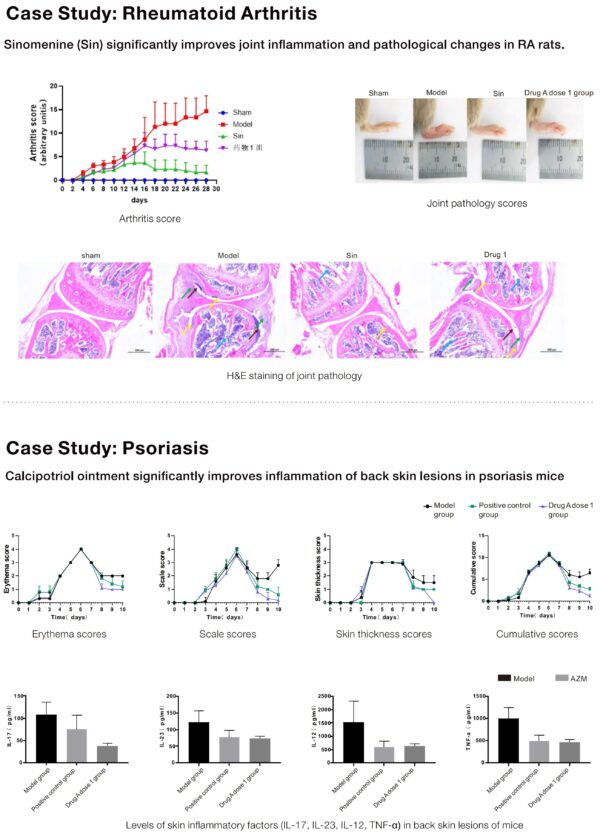
– Early, multiplexed readouts: combine a primary efficacy metric with 2–3 supporting biomarkers — for example, cytokine profiling and a tissue histology score — to triangulate effect.
– Controlled dosing and PK considerations: align pharmacokinetics (PK) sampling with expected pharmacodynamics (PD) windows so you capture on-target exposure and duration.
– Statistical bootstrap: predefine effect sizes and variability thresholds rather than chasing p-values post hoc; power calculations should reflect the primary biomarker variability.
– Translational checkpoint: include an anchor assay that mirrors a clinical diagnostic or companion biomarker to increase translational confidence.
Common mistakes and how the framework prevents them
Teams often let convenience drive choice of readout — a common trap. That leads to irreproducible signals or false negatives. The framework insists on a primary endpoint tied to mechanism and a secondary panel for orthogonal confirmation. Another error: sparse PK sampling that leaves exposure-response unknown. Fix that by mapping PK/PD sampling windows to the biology of interest — acute cytokine peaks need different timing than slow tissue remodeling. And don’t ignore host variables; sex, age, and microbiome status alter immune outcomes and must be recorded.
Applying this to inflammation and autoimmune study designs
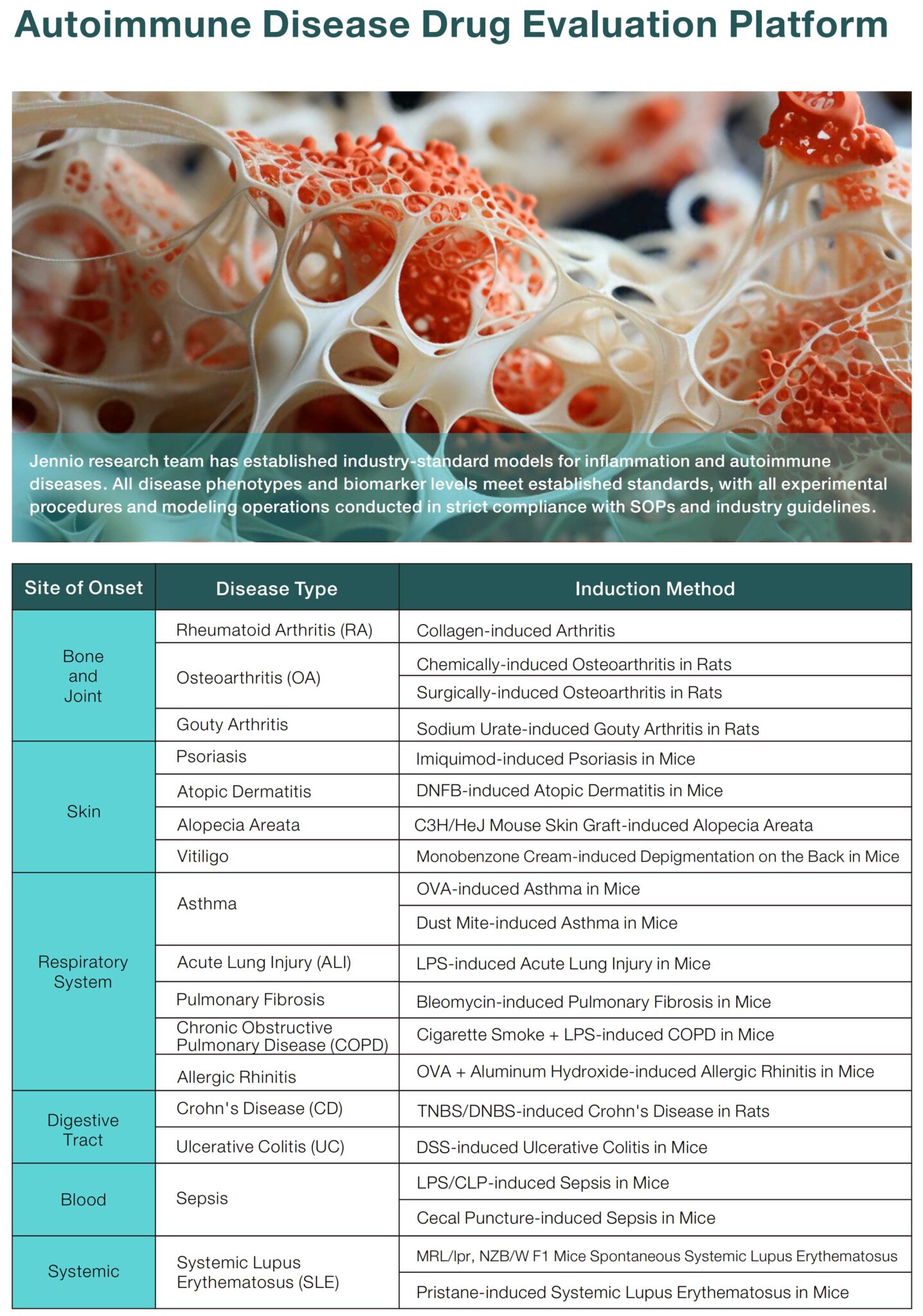
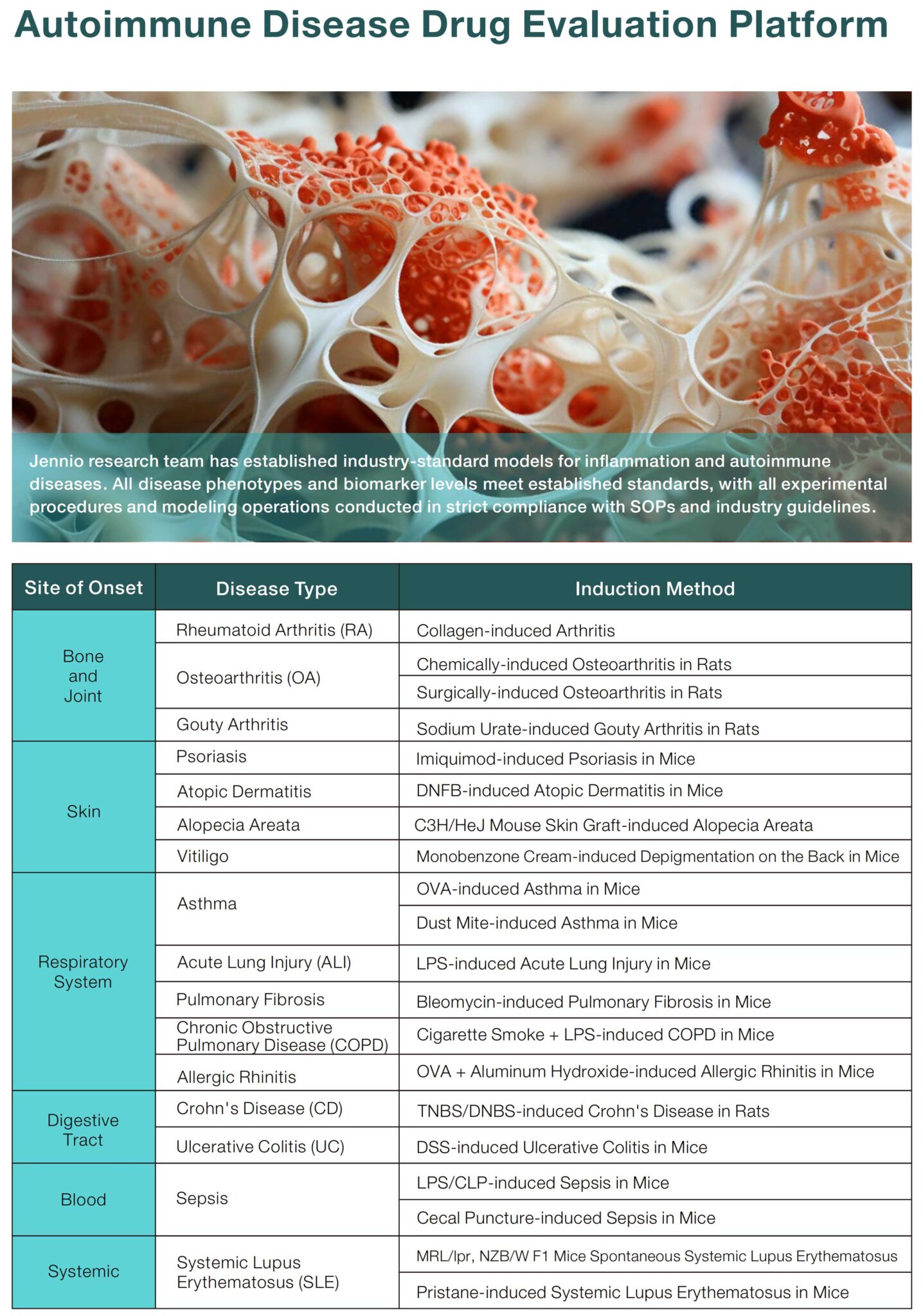
When designing studies for inflammation, choose disease-relevant triggers and measurable downstream changes. In practice, that might mean pairing an induced arthritis model with synovial cytokine readouts and imaging-based joint scoring. Use inflammation models that offer matched histology endpoints and validated biomarker assays — they compress signal detection time and clarify go/no-go decisions. Keep cohorts large enough to estimate variance and small enough to enable iterative learning.
Operationalizing the framework — brief checklist
– Predefine inclusion/exclusion criteria for animals and samples; batch effects must be minimized.
– Lock assay specifications: specify antibodies, detection limits, and sample handling SOPs in the protocol so assays are consistent across runs.
– Schedule interim analyses based on pre-specified biomarker thresholds to avoid mid-course bias — a structured look, not an open-ended peek.
– Archive raw data and tissues for unplanned follow-up; reproducibility often depends on the ability to reanalyze.
Three golden rules for evaluative selection
1) Alignment: Ensure your primary endpoint maps tightly to the hypothesized mechanism and a clinically meaningful outcome. 2) Signal redundancy: Require at least two independent readouts (for example, a biomarker and histology) before advancing. 3) Exposure clarity: Demonstrate a clear exposure–response relationship through adequate PK and timepoint selection. These metrics flag designs that are likely to translate versus those that merely show noise.
Applying these rules yields faster, cheaper decisions and preserves resources for the strongest candidates. For teams focusing on inflammation research, that clarity often comes from partner assays and model platforms that already integrate biomarker panels and validated endpoints — which is where experienced providers naturally add value. Jennio Biotech.