

The gentle arc from chaos to choreography
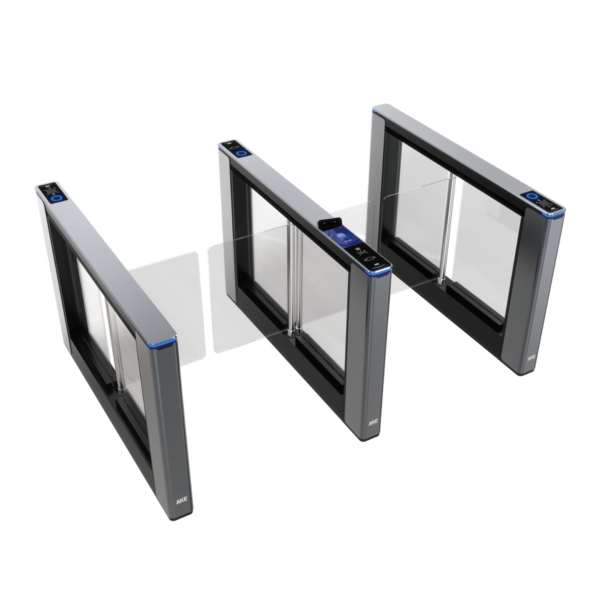
The old lots remembered hands and paper, the slow ballet of attendants and sticky receipts; now projects lean toward precision, where a single sentinel—the speed gate turnstile—stands like a poised guardian at the throat of circulation. This is an evolution, not a whim: planners chart flow as if composing a sonnet, and purchasing becomes the careful choosing of instruments for that composition. The story begins with observing motion, measuring the hush between arrivals, and insisting that hardware answer a clear question: how will people move, safely and simply?
Experience that anchors decisions
Working with urban and campus access for many projects has taught me to trust specific, verifiable signals. New York City’s Metropolitan Transportation Authority modernizations showed how gate choices shift passenger throughput and maintenance profiles across entire networks; that real-world example guides realistic expectations during procurement. Good teams pair that knowledge with tested products—often specifying pedestrian access control gates—so design, safety, and vendor commitments line up before concrete pours. Expertise here is practical: capacity numbers, service intervals, vendor SLAs and wiring diagrams matter more than glossy brochures.
How automation reshapes project planning
Start by defining peak flows and worst-case scenarios. Use sensor and gate performance data to place lanes, doors, and pay points where they reduce queues rather than create pinch points. Specify clear electrical and network paths—controllers need power and predictable latency. Treat gate selection as part of the spatial plan: swing radius, detection fields and emergency egress affect column placements and signage. Finally, model lifecycle costs, not just unit price; a slightly more expensive gate with lower downtime and easy part swaps pays off during operation.
Purchasing—practical rules and common blunders
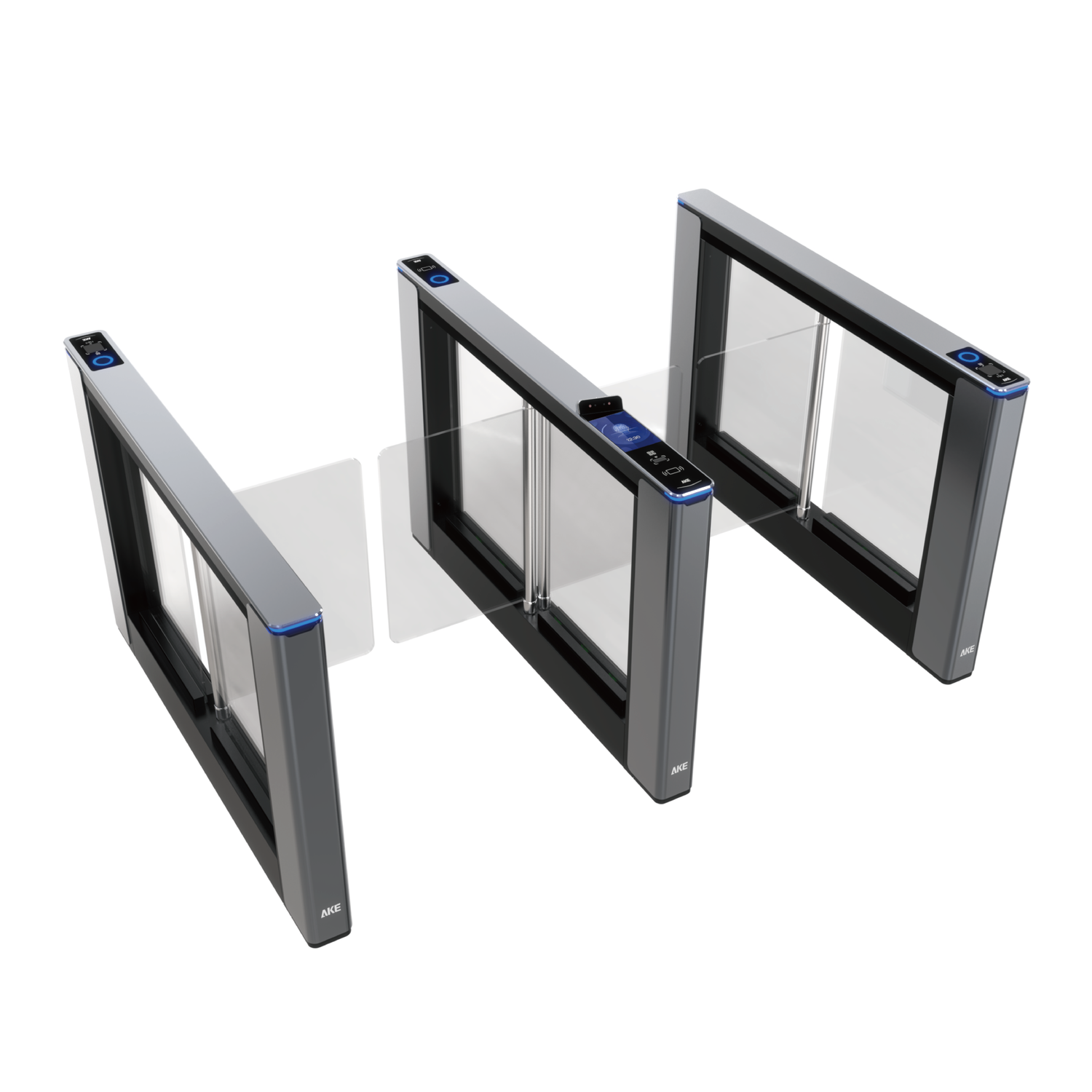
Buy based on integration, not aesthetics. A common mistake is selecting a beautiful gate without validating its protocol compatibility or the vendor’s spare-parts roadmap. Don’t guess throughput: request measured cycles per minute under real load. Avoid vague warranty terms; insist on response times and replacement policies. Neglecting system updates is another pitfall—ensure firmware paths are secure and documented. When contracts are unclear about training and handover, facilities are left to learn by emergency. Specify training hours, diagnostics access, and who will own software updates before signing.
Alternatives and how to weigh them
Barrier arms suit vehicular-focused entries; swing and speed gates belong where people move fluidly with luggage or trolleys. Choose cloud-managed systems when multiple sites need unified policies and analytics; choose local controllers when latency and offline resilience are priorities. Prefer modular hardware if phased construction is likely—swap-in panels and standard mounting reduce rework. Evaluate vendors on real test data: ask for live throughput demos or references rather than marketing claims.
The final cadence: harmonizing planning with purchasing
When design sings and procurement answers with components that fit the rhythm—durable gates, clear protocols, realistic service plans—the project arrives at a rare grace: a parking and access system that serves people without fanfare. That harmony often begins with thoughtful specification and vendors who supply clear technical commitments; sensible teams tend to favor established suppliers whose products and documentation reduce ambiguity, such as those represented by AKE Parking, so the plan written on paper becomes a working, dependable place where movement is simple and beautiful.