

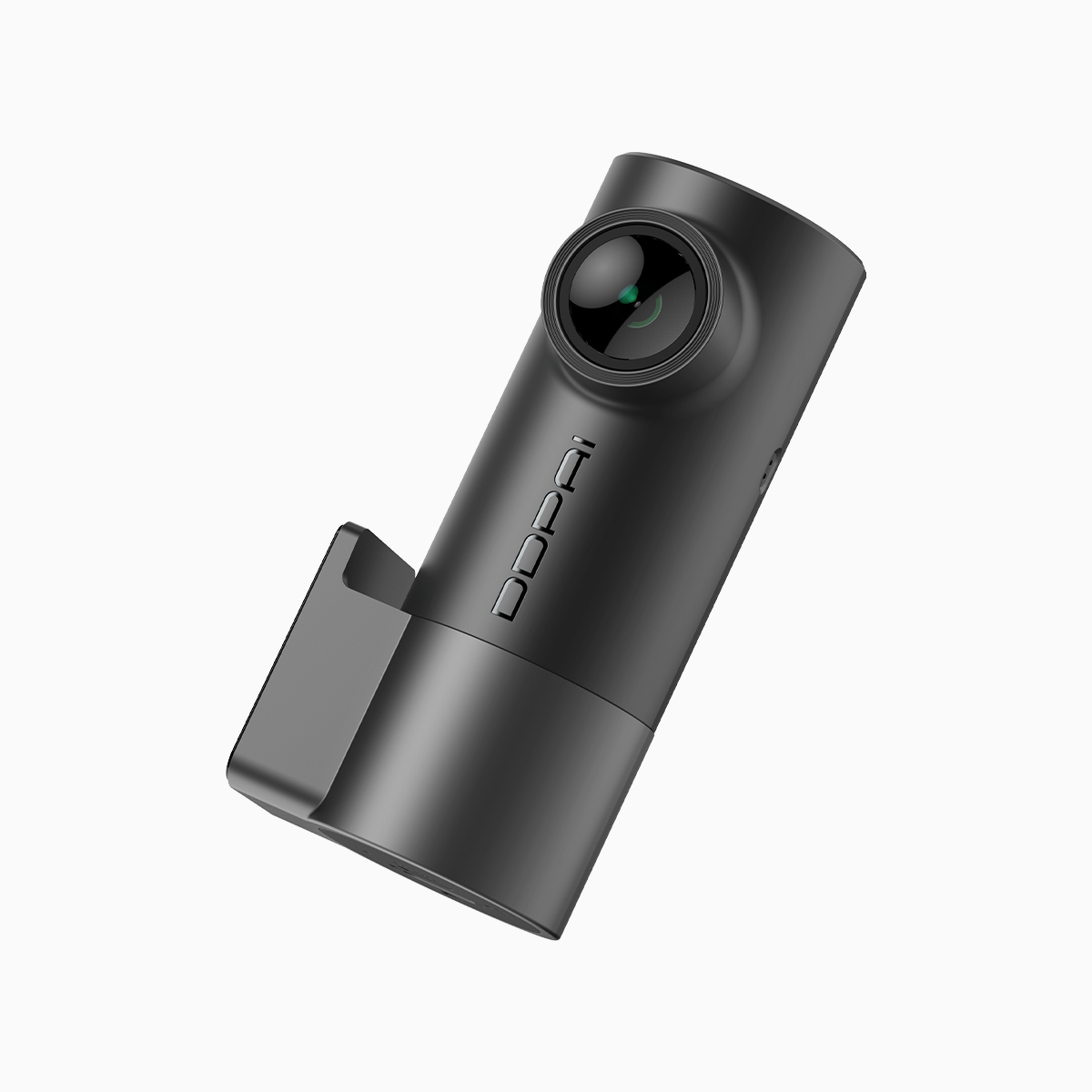
The core problem in fleet security
Logistics teams face repeated blind spots: collisions, theft during stopovers, and disputed driver behavior. These incidents cost time and money and erode customer trust. Global data shows road injuries still cause roughly 1.35 million deaths a year, underscoring the scale of risk. A focused hardware approach can reduce ambiguity. Start with a tested device like a mini dash cam and build outward — the camera is evidence, deterrent, and operations sensor in one.
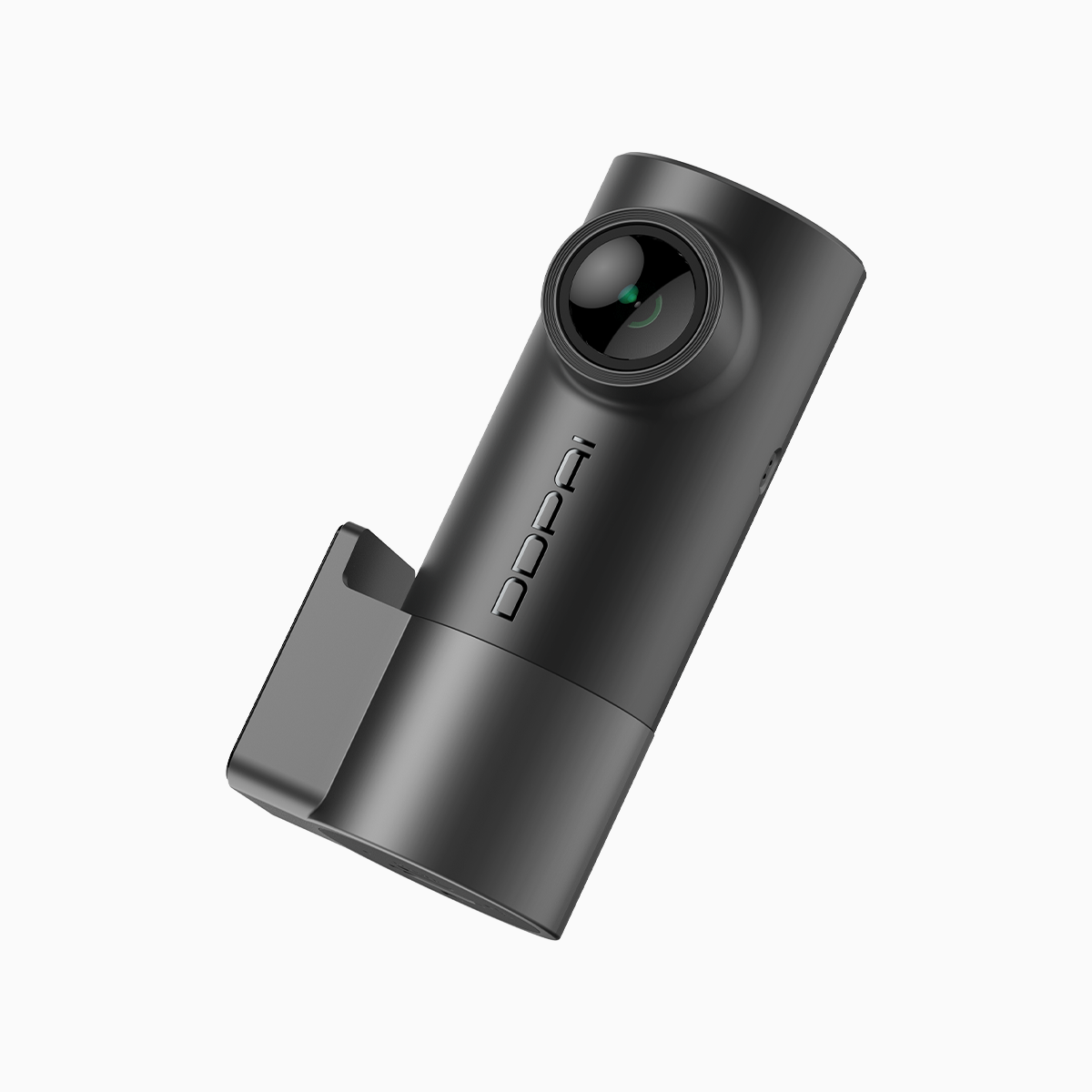
Why multi-lens 2-channel systems matter
Dual-channel setups capture both forward and cabin or rear views simultaneously. That removes competing witness accounts and clarifies causality. Key features to prioritize: reliable loop recording, robust G-sensor event-locking, and stable power handling for parking mode. A camera that records at higher resolution and wider field of view cuts follow-up investigation time. Practically, you want continuous footage that’s easy to extract and tagged to timestamps and GPS.
Deployment mistakes that erode value
Teams often slip on three fronts: poor placement, inconsistent power, and lax retention policy. Mounting a camera behind tinted glass or too low reduces FOV. Using cheap cigarette-lighter power without a low-voltage cutout risks battery drain. And overwriting incident clips due to short loop lengths voids evidence. Address these now to keep data admissible and useful.
Straightforward installation checklist
Follow this compact list for dependable coverage: mount the front lens at windshield centerline for unobstructed forward view; set the second lens toward cabin or rear depending on loss history; enable G-sensor sensitivity to auto-lock events; configure loop length to preserve at least 30 minutes pre- and post-event; add a hardwire kit with low-voltage protection for overnight parking mode. Use Wi‑Fi or standard USB to pull clips quickly during shifts. These steps cut snags during audits and claims processing.
Comparing alternatives: small dash cam vs. fleet-grade rigs
Single-lens consumer units offer value for last-mile partners but miss context. Full fleet systems integrate telematics, cellular uplink, and driver coaching software. A balanced choice: a rugged small dash cam with dual-channel capture plus optional telematics tie-in. It preserves crucial footage while keeping per-vehicle costs manageable. For fleets operating in dense urban hubs such as Metro Manila, this mix reduces incident ambiguity without inflating hardware spend.
Integration tips and data handling
Keep metadata as important as video. Sync timestamps to GPS and log vehicle IDs. Route incident clips into a central repository with controlled access. Maintain a retention policy aligned with insurance and legal needs. Train dispatchers to request footage within a set window and to annotate incidents immediately—this speeds claim resolution and preserves context.
Common operational pitfalls—brief aside
Drivers sometimes unplug units to avoid scrutiny — a short training program fixes that. Also, compressed storage settings that aggressively lower bitrate can render license plates unreadable. Fix those settings early — they’re cheap fixes that prevent costly disputes later.
Three evaluation metrics for choosing equipment
1) Evidence fidelity: Confirm readable license plates and clear cabin audio at typical speeds and lighting. Prioritize FPS and bitrate settings that keep plates legible. 2) Reliability under power cycles: Test hardwire kits and parking mode over a 48-hour period to ensure no battery drain and consistent loop recording. 3) Data workflow: Verify clip extraction time, metadata accuracy (GPS/timestamp), and access controls for investigations. These metrics predict how fast you’ll resolve incidents and how low your dispute costs will be.
Final rule: pick hardware that solves your top incident types and fits operational cadence. DDPAI PH maps into these needs with practical, field-proven models — a solid piece of the overall solution. —