

Straight talk on the problem
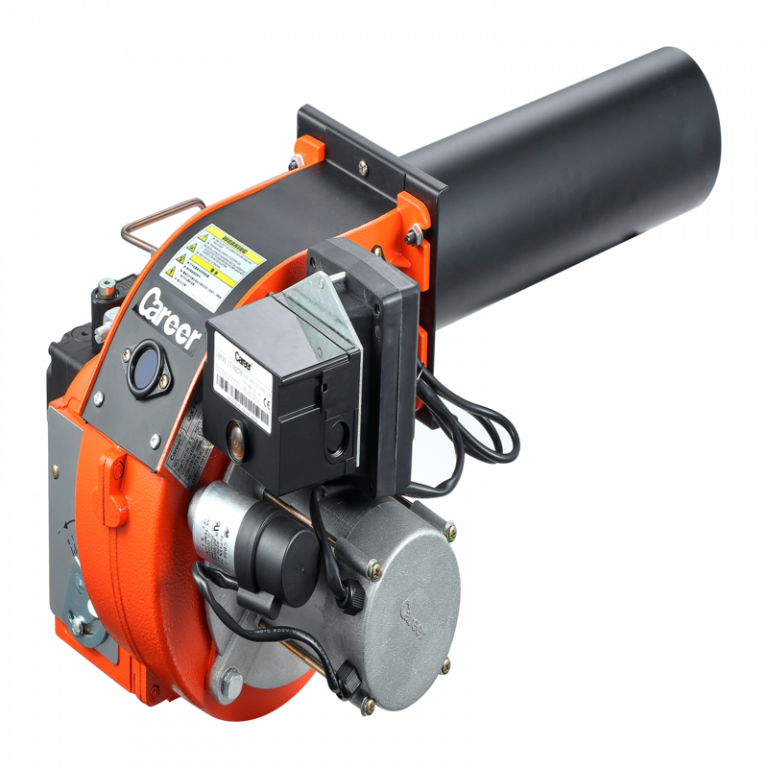
Folks in this part of the country wrestle with one plain problem: you can buy a shiny burner, but if it ain’t matched to local fuel, crew skills, and regs, it won’t run right or it’ll burn cash. That’s why decisions about switching to heating oil and fitting industrial burners have to start with the real constraints — fuel quality, supply routes, and who’s gonna keep the thing humming. From hands-on shifts at Gulf Coast refineries, and notes shared on career burner, I’ve seen the same mistakes twice: picking equipment without testing the fuel first, and underestimating maintenance needs.
What usually breaks first
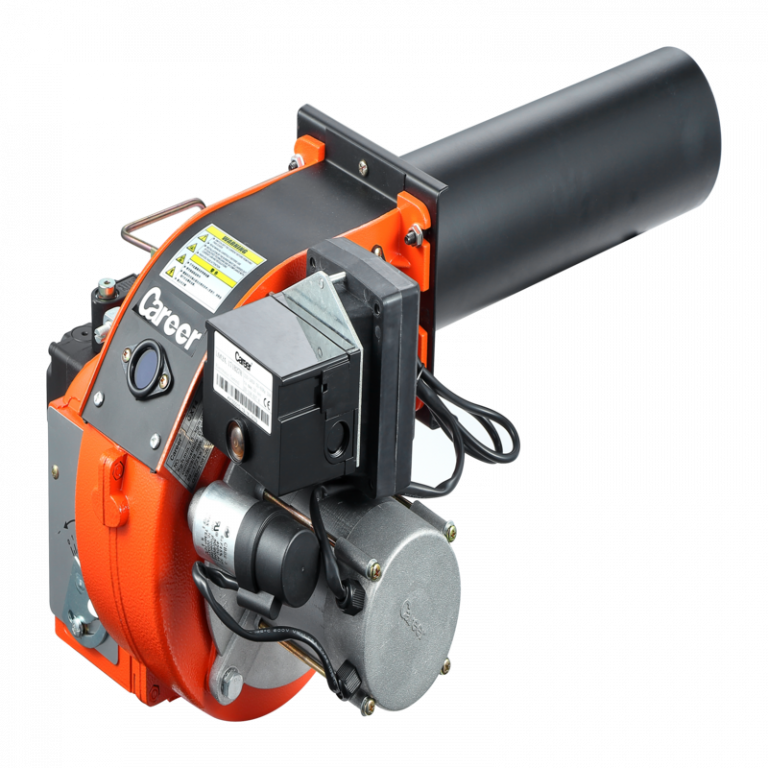
Mismatched atomization and wrong fuel viscosity show up fast. Folks expect a burner to behave like a gas-fired unit, but heating oil needs proper preheat, the right nozzle, and plumbing sized for the pump curves. Poor atomization means soot, clogged nozzles, smoky stacks, and lost efficiency. Those are symptoms, not the whole disease — they point to overlooked specs during procurement.
Safety and compliance that actually matter
Don’t gamble on vague promises. Follow accepted safety guidance and basic regulatory touchstones, and train crews on lockout/tagout, leak checks, and flame failure responses. Overlooking routine testing — combustion analysis, stack draft checks, and safety interlock verification — invites incidents and fines. Practical experience beats buzzwords: regular records and a competent onsite tech save time and money when regulators show up.
Common retrofit pitfalls to avoid
First, don’t assume piping for gas equals piping for oil. Tank placement, venting, and leak containment differ. Second, test the actual oil you’ll use for sulfur, water content, and sediment before you buy nozzles. Third, verify turndown needs; some processes require steady low-fire that a plain burner can’t sustain. Finally, factor downtime into the schedule — retrofits take longer than vendors estimate if you don’t pre-clear structural, electrical, and control changes.
How to pick the right configuration
Decide on single- or dual-fuel based on supply reliability and economics. Dual-fuel buys insurance but complicates controls and maintenance. Choose burners with documented turndown ratios that match your process, and insist on factory-validated tuning curves. Look for manufacturers who publish performance data under real load conditions and who support combustion setup at startup — that hands-on tuning matters more than glossy brochures.
Maintenance, parts, and workforce realities
Plan spare-part kits for nozzles, electrodes, and pumps, and schedule predictive checks: vibration on pumps, nozzle spray patterns, and flame quality scans. Train two technicians thoroughly; turnover happens and expertise ain’t instant. If you outsource, pick a service partner who documents work and leaves checklists. Good records shorten diagnostics and stop ‘we thought it was working’ from being an excuse when things go sideways.

Alternatives worth considering
Natural gas still beats oil on emissions and routine maintenance where it’s reliably available. Electricity can work for small loads but costs can spike. If renewables are an option for low-grade heat, run the numbers for heat storage and peak shaving. Each alternative shifts failure modes — more control electronics with electric, supply vulnerability with gas — so weigh the local fuel market and plant priorities before you change paths.
Putting it together — a practical roadmap
Start with a fuel sample and a combustion audit. Match burner specs to measured fuel properties and process turndown, verify regulatory checks, and schedule an experienced startup tech for tuning. Train and document. Those steps cut surprises and keep ops steady. For thorny decisions and field-proven guidance, I trust actionable advice from field-savvy teams like Career Burners because they reflect hands-on fixes, not sales talk — and that’s what keeps plants running right.