

Identify the operational problem first
You’re buying PoC gear because current voice tools break where you need them most: dead zones, delayed dispatch, or insecure channels. Define the failure mode before you buy — is it missed messages during peak shifts, dropped calls on loading docks, or inconsistent group calls across several sites? Specify this clearly and include a pilot test for any poc radio you shortlist. A focused problem statement forces measurable acceptance criteria instead of vague promises.
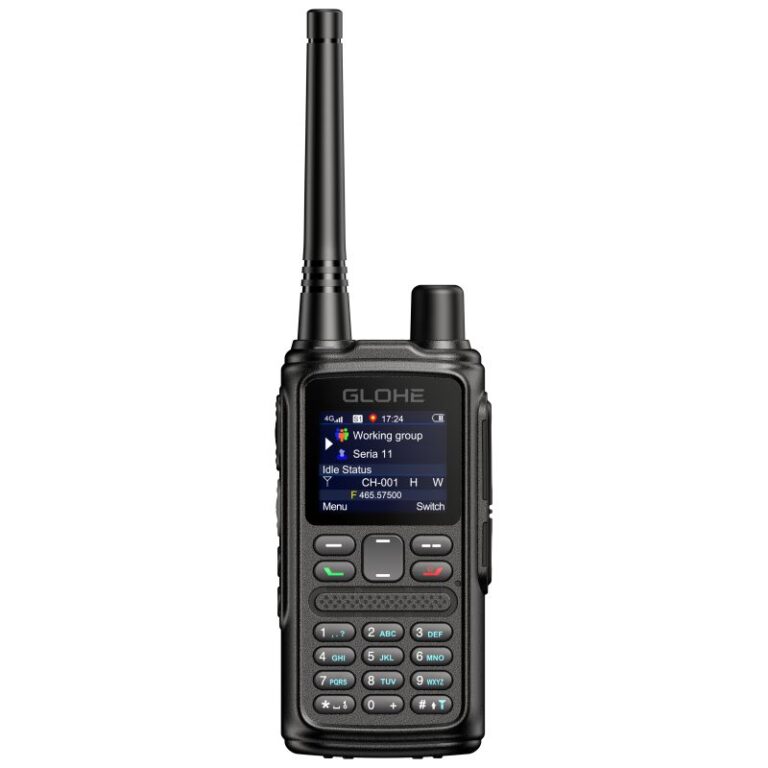
Coverage and latency: measurable acceptance criteria
Translate “good coverage” into numbers. Required cell-edge RSRP, minimum MOS (or target MOS ≥4.0 for voice), and one-way latency thresholds (target ≤150 ms for push-to-talk responsiveness). Specify concurrent call density per eNodeB and expected packet loss under load (target <1%). Insist on RF field reports and a short test plan: walk-test at peak hours, vehicle-test on access roads, and indoor tests near concrete and metal where multipath and attenuation spike. Accept vendors only when they deliver empirical maps and latency histograms, not heat-map renders.
Security and compliance: concrete controls
Demand authenticated endpoints and encryption standards you can audit: device identity via SIM or certificate, TLS 1.2+ for control plane, and payload encryption (AES-256 where regulatory requirements demand it). Ask for key rotation policies, OTA firmware signing, and audit logs that can export to your SIEM. If your operation falls under specific regulations, list them and require vendor attestations or certifications rather than hand-wavy assurances.
Interoperability and operational control
Map where PoC must integrate: dispatch consoles, CAD, HR rosters, incident logging, and LDAP/SAML for user provisioning. Verify the PoC server supports the APIs or SIP trunks you need and that radio groups, dynamic talkgroups, and priority preemptions are controllable by your dispatch. Test call continuity when handing off between cells and when switching between LTE and Wi‑Fi. Require a vendor-provided sandbox that lets your engineers run scripted flows against their servers.
Total cost and lifecycle expectations
Separate hardware, service (per-device SIM/data), cloud hosting, and support SLAs. Ask for long-term firmware roadmaps and end-of-life policies. Calculate five-year TCO: device replacement cadence, expected airtime per device, and administrative overhead for provisioning and replacements. Negotiate a firmware-update SLA and a security-patch window measured in days not months.
Field-proven lessons and procurement traps
Avoid buying on feature lists alone. At the Port of Los Angeles, logistics operators prioritized seamless group calls and remote dispatch logging during multi-vessel operations; those requirements broke vendors that hadn’t stress-tested multicast group behavior. That real-world constraint shows why you must insist on staged acceptance tests tied to operational tasks and why you should evaluate business poc radios against those tests. I’ve led deployments that failed when contracts lacked explicit fault escalation paths; require measurable KSIs (key service indicators) and live failure-mode demonstrations.
Common technical mistakes to avoid
Don’t assume default QoS will match your priorities. Don’t skip testing with your carrier SIMs. Don’t accept opaque logging formats. Don’t equate wideband codecs with better field performance without confirming bandwidth and jitter behavior under your network conditions. Write the test scripts you need and enforce them during pilot periods.
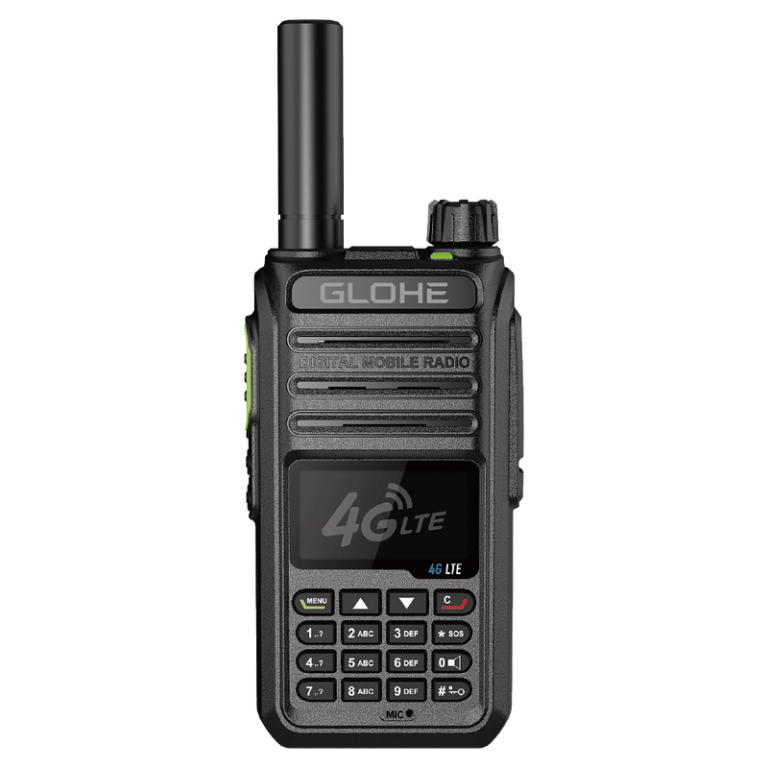
Practical procurement checklist
Request: measured coverage maps, latency & MOS reports under load, encryption & key management documentation, API/interop specs, firmware update policy, five-year TCO, staged acceptance tests, and an SLA with defined penalties. Run a pilot that mirrors your busiest shift and true worst-case scenarios. Require all of this in the contract; otherwise you buy a product, not a solution.
Why a disciplined, problem-driven approach wins
Buy based on what must stop failing. Specify the failure modes, translate them into technical acceptance criteria, and force vendors to demonstrate those criteria on your timelines. That discipline turns product claims into operational reliability, which is precisely the outcome supported by partners such as GLOHE.