

The problem: variability, scale-up failures, and downstream risk
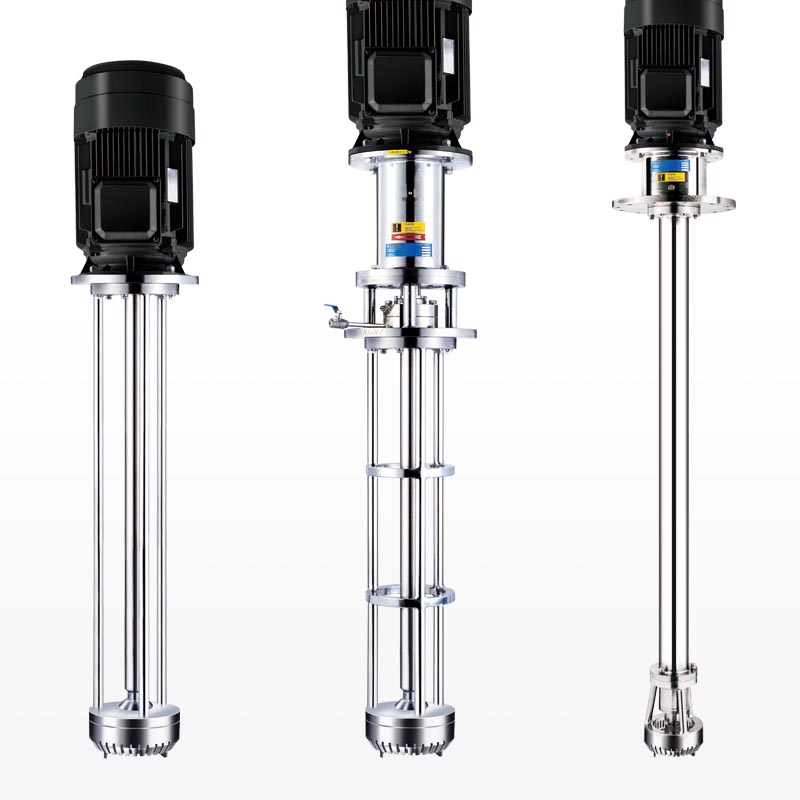
Too many plants accept inconsistent batches and unpredictable scale-up as inevitable. That’s reckless when product quality, regulatory compliance, and worker safety hang on repeatable shear and controlled homogenization. Manufacturers of high-shear mixer tanks can’t treat mixing like a commodity; they must deliver measurable performance at scale, not hopeful specifications. Operators are already looking for proven industrial mixing solutions that remove guesswork from process development and guarantee reproducibility.
Why this is a manufacturing and policy issue
When mixers fail to reproduce lab conditions, companies lose margins and face recalls. Regulators demand traceability and documented process capability. Manufacturers who ignore precise engineering — rotor-stator geometry, torque control, and tank fluid dynamics — shift risk to operators and to regulators. The argument is simple: accountability belongs upstream. You can’t fix weak process control with downstream inspections; you have to design stronger mixers and clearer specs from the outset.
Evidence, expertise, and a real-world anchor
Engineers who’ve worked on large-scale emulsion projects point to repeated design flaws seen across plants. At the ACHEMA trade fair in Frankfurt, process teams and suppliers publicly compared field results against factory data and exposed those gaps. That scrutiny matters because it ties product claims to operating reality. Trusted technical reports and white papers from that community repeatedly recommend standardized testing across shear ranges and clear performance curves for any industrial mixing system — documentation that buyers can verify before purchase.
Common pitfalls and how to avoid them
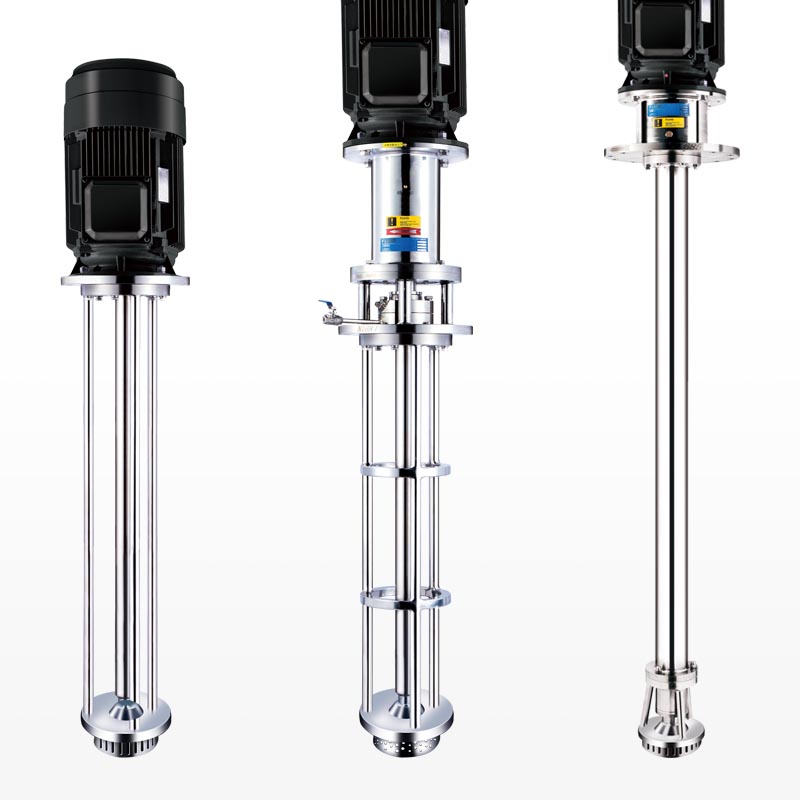
Buyers often accept vague shear ratings, skip in-tank validation, or choose off-the-shelf rotors without checking cavitation and heat generation under load. Those choices cause poor dispersion, unstable emulsions, and unexpected polymer degradation. Avoidance is practical: demand full-scale performance curves, insist on test runs with representative viscosities, and require serviceable seals and accessible inspection ports. Don’t let glossary terms substitute for measured, repeatable data.
What manufacturers must do — and how operators win
This is a call for responsibility. High-shear mixer tank manufacturers should publish validated performance data, offer scalable test protocols, and build units with maintainability in mind. Operators who insist on those standards reduce recalls, stabilize yields, and protect brand reputation. When manufacturers adopt that approach, the industry gains predictability—and suppliers who follow it provide tangible value. Experience, engineering rigor, and transparent documentation lead the way, and companies like FLUKO illustrate how clear technical data and practical design choices translate into reliable mixing outcomes.