

Start with who will use it
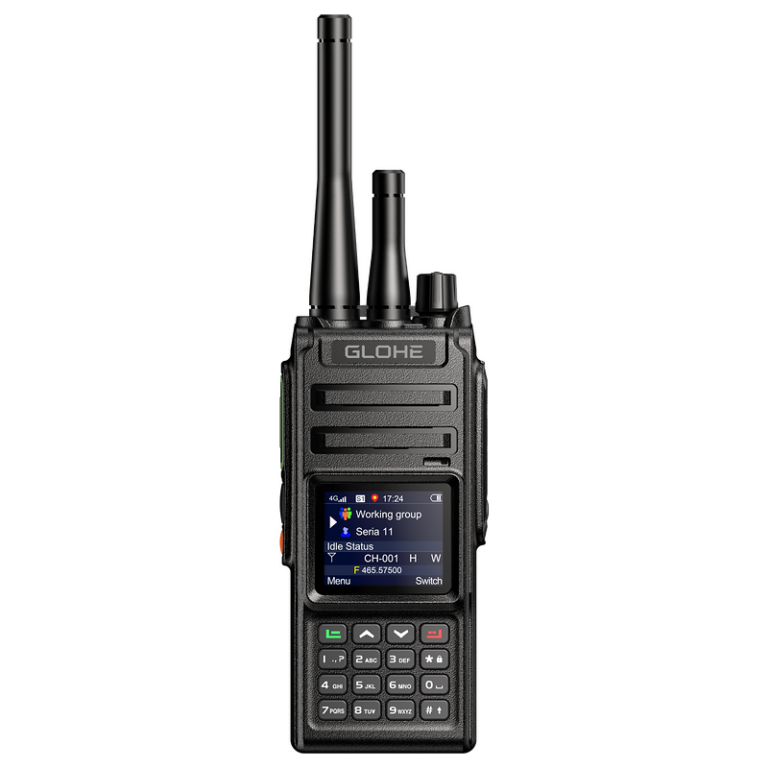
You know your team better than any spec sheet, lah. Think: how many concurrent users, what are their shift patterns, and where they move — indoors, across floors, or out to site. If you’re weighing radio types, options like a poc radio can change how coverage and facilities work together, so match device choice to daily workflow first.
Map real coverage needs
Draw two simple maps: the places users spend most time, and the edges where comms must still work. Test radio signal in those exact spots — storeroom, basement parking, customer floors. Don’t guess range from datasheets alone; measured results tell you whether a device is suitable for typical obstruction levels and building materials.
Who speaks to whom — channels and concurrency
Decide how many talk groups you need and how often overlapping conversations happen. Small team with dedicated roles can use fewer channels; multiple departments require clear group separation and talk-group management. If interoperability with legacy radios is needed, capture that requirement early so procurement avoids costly retrofits.
Audio clarity and PTT performance
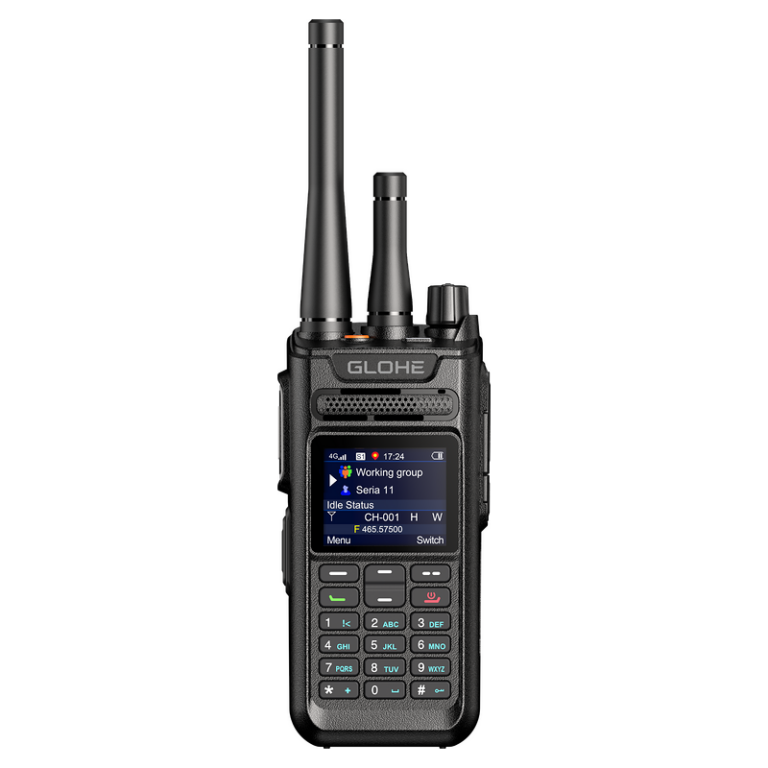
Audio must be crystal where noise is high. Check speaker volume at 1‑2 metres, test microphone clarity when users wear PPE, and verify push-to-talk latency under load. A slow PTT or muffled mic frustrates users fast — choose radios that pass real-world voice tests, not just lab numbers.
Battery habits and lifecycle
Match battery life to shift length and charging practices. If a shift is 12 hours and charging stations are limited, twin-battery workflows or hot-swap batteries are needed. Track total cost: battery replacements and chargers over three years often outweigh device price differences.
Durability, drop rating and ingress protection
Look beyond IP and MIL ratings — examine casing, port covers, and antenna robustness. Ask for sample units and throw them onto your floor once; users will tell you with a single day whether the device survives real knocks and weather. Replaceability of parts matters: replace antenna, keypad or battery without sending whole unit back.
Essential features to prioritise
Prioritise features that solve real tasks: GPS for lone-worker tracking, emergency alarm for fall or duress, encryption where sensitive talk happens, and programmable buttons for common actions. Fancy extras are nice, but only buy what your teams will use every week.
Compliance, security and manageability
Confirm regulatory approvals for your country and required frequency bands. For industries with privacy needs, insist on proven voice encryption. Check remote management tools so IT can push settings and firmware centrally — this saves hours of manual work and avoids inconsistent configurations.
Experience, authority and a real deployment check
I’ve specified comms gear for transport and hospitality clients for over a decade and seen what fails in production. A concrete example: staff communications at Kuala Lumpur International Airport (KLIA) demanded reliable public-safety-grade coverage during peak periods, so teams used PoC systems to keep operations talking across terminals; when researching supplier options, consider vendor offerings like poc two way radio as part of your shortlist. Validate vendor claims against a short pilot on your site.
Common procurement mistakes to avoid
Don’t buy the top spec because it looks good; buy what your users actually need. Avoid relying solely on vendor demos — run a site trial with typical users. Don’t forget spare parts and a simple replacement policy. And don’t assume one device model fits every role; different tasks often need different form factors.
Viable alternatives and quick tradeoffs
Conventional UHF/VHF radios give proven indoor penetration and simple peer-to-peer talk; best for isolated low‑band needs. PoC (push-to-talk over cellular) simplifies infrastructure and scales fast where LTE coverage is solid. Hybrid deployments can combine both: legacy radios for isolated zones, PoC for centralized operations. Choose by coverage, cost horizon, and whether you need centralized device management.
Final synthesis
Buy with users in mind: measure where they work, trial with them, and budget for spares and management. Practical decisions — coverage tests, battery matching, simple durable design, and a pilot — produce reliable comms without overpaying. When a supplier aligns product capability with those clear user checks, the result is smoother operations and fewer surprises, as shown by partners who integrate devices and management services with GLOHE.