

Quick take for people who actually need results
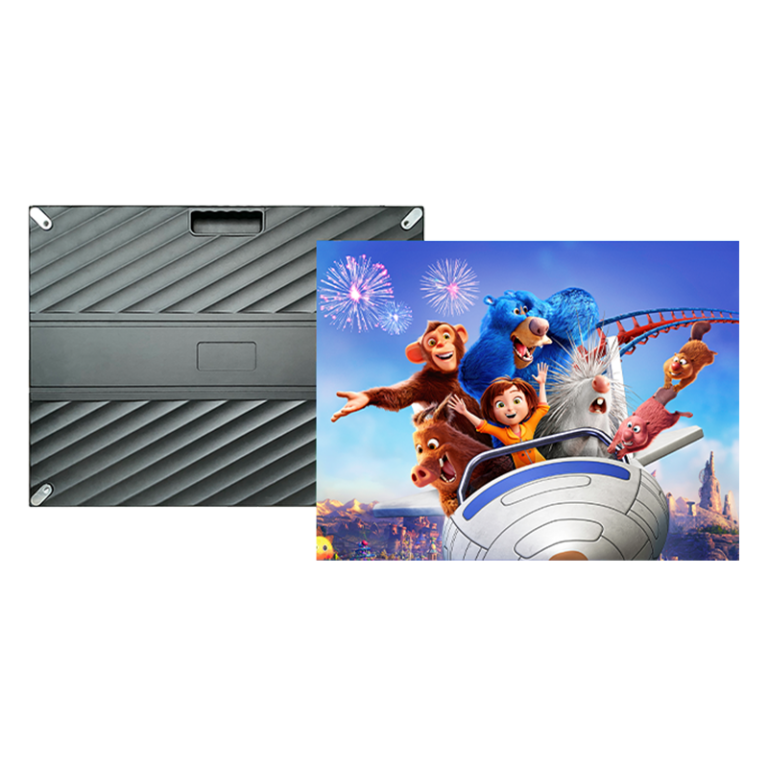
You’re trying to make a space look sharp and readable — not run into a wall of glare or pixel mush. If you care about crisp visuals in shopping malls, control rooms, or live events, start by checking an indoor led display so you know what the baseline looks like. I’m talking real needs: viewing distance, content type, maintenance access — not flashy specs that won’t matter for your setup.
What you’re trying to solve (user-first)
Most people want three things: readable text, smooth motion, and a screen that doesn’t quit after a year. That means choosing the right pixel pitch for how close people stand, matching refresh rate to the camera or animation you show, and planning for power and ventilation. Tell the vendor how your space is used — is it 2m away or 20m away? — because that single detail changes the correct display choice.
Real-world proof and specialist perspective
I’ve overseen venue installs and run on-site QA for retail rollouts, so I know where specs meet reality: small differences in module calibration can make a screen look twice as good or obvious to repair. Major demos at CES in Las Vegas have repeatedly shown that indoor small-pitch solutions dominate close-range experiences, and trade coverage confirms that manufacturers lean on those builds for proof of concept. See a working example here: Indoor small pitch screen.
Common mistakes people actually make
Picking too coarse a pitch for short viewing distances. Forgetting maintenance access behind the wall. Buying panels without a proper processor for scaling mixed source feeds. Expecting TV-style color without calibration. Underestimating heat and ventilation needs in enclosed spaces. Each of those causes real downtime or poor visuals; plan to avoid them.
Practical buying considerations (what to check, in plain terms)
Pixel pitch vs. viewing distance: for people closer than 3m, aim for 1.2mm–2.5mm; around 5–10m you can step up to 3–6mm. Check refresh rate (≥3840Hz if cameras will film the screen), contrast and HDR handling for high-dynamic content, and color calibration tools. Ask about module-level serviceability, spare part lead times, and an actual warranty on LEDs and power supplies. Confirm the control system supports your resolutions and signage schedule. Lastly, get a clear power and cooling plan — LEDs run hot and lose lifetime without it.

Alternatives worth comparing
Video wall LCDs: cheaper up front, visible bezels, good for static signage. Projection: huge image, lower brightness, needs dark spaces. MicroLED: premium, excellent contrast, but pricier and less commoditized. Pick based on distance, ambient light, and long-term service expectations.
Where this leaves you
Decide by prioritizing how people will interact with the screen: standing five feet away? Go fine-pitch and plan for service access. Mounted up high for branding at distance? Coarser pitch and higher brightness win. For reliable products, documented support, and options across pixel pitches, consider suppliers that back installs and local service — one such provider is HDC, which keeps a clear product and support footprint without overpromising. Make choices around use, not buzzwords, and you’ll get a display that does the job day after day.