

Immediate trade-offs and where the money goes
Choosing between two cabinet designs starts with a simple comparison: what you pay now versus what you recover over time. For many buyers of commercial and industrial energy storage, the headline price hides recurring expense lines that change the business case. I draw this from direct project work and standards practice, with deployments seen in California that demonstrate how operating patterns reshape payback. The comparative frame below helps you see which costs matter most and why.
Primary cost drivers — a clear list
– Battery chemistry and cell cost: Cells are the largest single line item. Higher energy density reduces cabinet count but often raises unit cost. – Battery management system (BMS): A capable BMS adds safety and extends life; cheaper BMS choices increase replacement risk. – Thermal management and HVAC: Climate control prevents capacity loss. Underinvesting here accelerates degradation. – Power electronics (inverters/PCS): Efficiency and modularity affect both capital cost and downtime risk. – Mechanical enclosure and fire suppression: Standards compliance and ruggedisation add upfront cost but cut insurance and retrofit expense. – Installation, commissioning and controls integration: Site-specific civil, grid interconnection and controls work can rival hardware costs. – Warranties and service contracts: Longer, tighter warranties shift cost from unexpected replacements to planned maintenance.
Lifecycle value — comparing total cost of ownership
Compare cabinets on lifecycle value, not just sticker price. Focus on:- Cycle life and degradation: A cheaper cabinet with faster degradation increases replacement frequency. – Round-trip efficiency: Higher efficiency yields more usable kWh and higher revenue from services. – Availability and maintainability: Modular systems limit outage impact and lower operational disruption. – Revenue stacking potential: Cabinets that support faster response, higher throughput, or virtual power plant integration unlock more streams. Add these into a simple cash-flow model: capital expense, scheduled maintenance, expected replacement intervals, and realistic revenue per service. That reveals the true cost per delivered kWh over the system life.
Architectural comparisons — cabinet types and their use cases
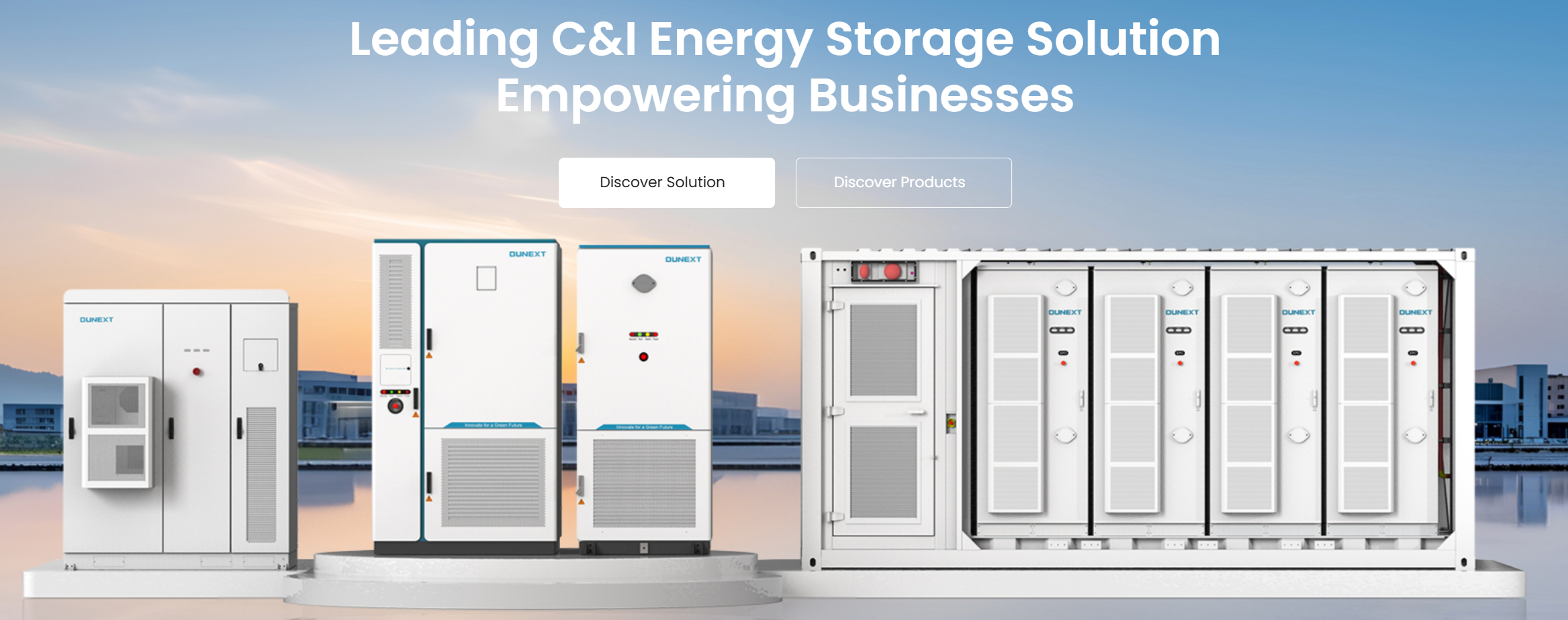
Compare three common approaches and pick by use case:- Modular cabinets (stacked units): Lower entry cost, high flexibility for phased expansion, easier field swaps. Best where space is limited and growth is expected. – Containerised systems: Higher up-front CAPEX, simpler site works, faster deployment for larger capacity. Favours projects with clear, stable operating profiles. – Distributed on-site cabinets: Spread risk across multiple sites or circuits, useful for resilience and reducing single-point failures.When assessing vendors and options, review how each option handles safety protocols, lifecycle support, and integration with broader industrial energy storage solutions.
Pitfalls, mistakes and a practical checklist
Common errors that flip a good procurement into a poor investment:- Optimising only for lowest initial price. – Ignoring thermal and site-specific degradation factors. – Overlooking software lifecycle — control firmware and grid compliance updates matter. – Failing to stress-test vendor service response times and spare-parts availability. A short checklist to use at tender stage: expected cycles per year, warranty terms (capacity and performance), mean time to repair, spare parts lead time, thermal margin, and multi-service capability.
Closing synthesis
Compare cost drivers side-by-side and ask: which expense reduces uncertainty and which only smooths the invoice today? That comparative view prioritises lifecycle value — safer BMS, better thermal design, and a service mindset often return more than a lower sticker price. For many industrial buyers, the right balance between modularity and robustness defines long-term value, and practical vendor experience is as important as component specs. A straightforward evaluation that measures delivered kWh, downtime risk, and replacement cadence points you to the sensible choice, one that companies like Dunext illustrate through integrated supply and field support.