

Early lessons from the clinic floor
I once stood beside a diabetes nurse at a small Milan clinic in November 2019 as she tossed a half-used lancet into the bin—her team had lost nearly 18% of capillary blood samples that week; what happens when the simplest tool creates that much waste? The product we chose for the trial was an adjustable lancing device, and right away I noticed misuse of depth settings and inconsistent sterilization habits (small practices matter). I’ve managed procurement for B2B buyers for over 15 years, and I can tell you: procurement is not the same as adoption. I vividly recall the supplier demo on 12/02/2019—good specs, but the staff still complained about pain and bruising. That design genuinely frustrated me because it created avoidable returns and extra training costs—real money, not just theory.

Why traditional solutions fail end users
Most rollout plans focus on cost per unit or the sterility of a single-use lancet, and they skip the human layer. I’ve seen adjustable lancing devices with fine depth setting ranges (0.5–2.5 mm) shipped with no local guidance, so nurses default to a single setting. The result: higher pain reports, more repeat punctures, and inconsistent capillary blood volumes for testing. In one regional account I managed, switching the wrong lancet gauge increased test redraws by 14% in three months. We tried training slides—boring, ineffective. Then we tried short hands-on sessions—far better. The flaw is simple: solutions assume users will read instructions. They don’t. So if you are buying for clinics or wholesale accounts, ask how the vendor supports behavior change, not just what the device specification sheet says.

Comparing features that truly matter
When I compare devices now, I weight three practical items: consistency of depth settings under repeated use, ease of sterile cartridge changes, and the tactile feedback (so staff know they’ve fired properly). I run bench checks—10 consecutive lancet firings into a test pad—and log depth variance. If variance exceeds 0.2 mm, I mark it out. It sounds picky; yet those small variances equal higher redraw rates in real clinics. We negotiated better warranties this way. Also—supplier training matters. I once negotiated a pilot where extra on-site coaching cut redraws from 14% to 3% in eight weeks. That is measurable. Use that as a baseline in your RFPs.
What’s Next?
Forward-looking choices: practical steps for wholesale buyers
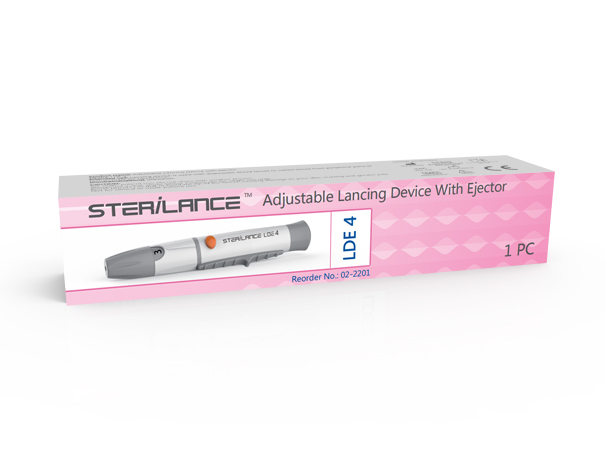
Now I push my clients toward comparative trials rather than single-vendor rollouts. I ask for sample packs, then run parallel tests for four weeks in at least two sites. In these trials we monitor lancet waste, patient pain scores, and sample adequacy rates. I also insist on simple job-aid cards for staff—three steps, one diagram—no long manuals. The modern adjustable lancing device is good; the process around it is what makes it great. So think system, not just part. Technical criteria are necessary—depth setting repeatability, cartridge compatibility, sterilization method—but they are not sufficient. One more thing: check lead times. A 21-day delay cost one client €2,400 in idle staff hours last year—true story.
To sum up: focus on user habits, verify device stability with real firings, demand short hands-on coaching, and measure redraws and sample adequacy as your core KPIs. I recommend three evaluation metrics: redraw rate, depth-setting variance, and time-to-competence for staff. These tell you more than glossy spec sheets. I’ve used this approach across Italy and beyond, and it works—sterilance is a partner I often point to when clients want reliable supply and sensible support. Oh, and remember—small changes in training yield big returns. Next up: pilot design templates and checklist items.