

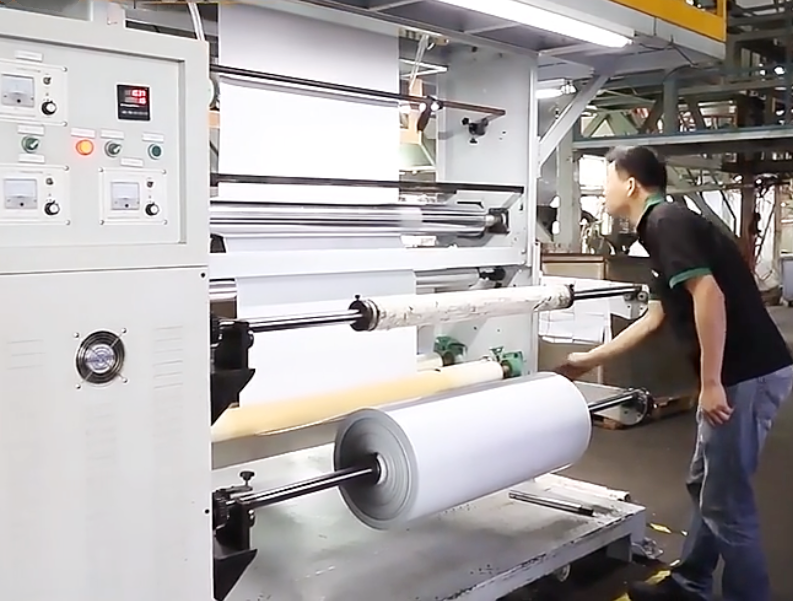
Opening: the operational problem and why it matters
E‑commerce scale exposes a core operational problem: packages that fail in transit increase cost-per-order, generate returns, and damage brand trust. The issue is acute for lightweight, low-friction shipments where puncture, moisture ingress, and tampering are common failure modes. WH Packing’s multi-layer polyethylene architecture targets these specific failure modes — and for businesses evaluating durability versus cost, a technical appraisal is necessary. For immediate supplier context, see how their product line of custom poly mailers positions multilayer laminates and seal systems to reduce these risks.
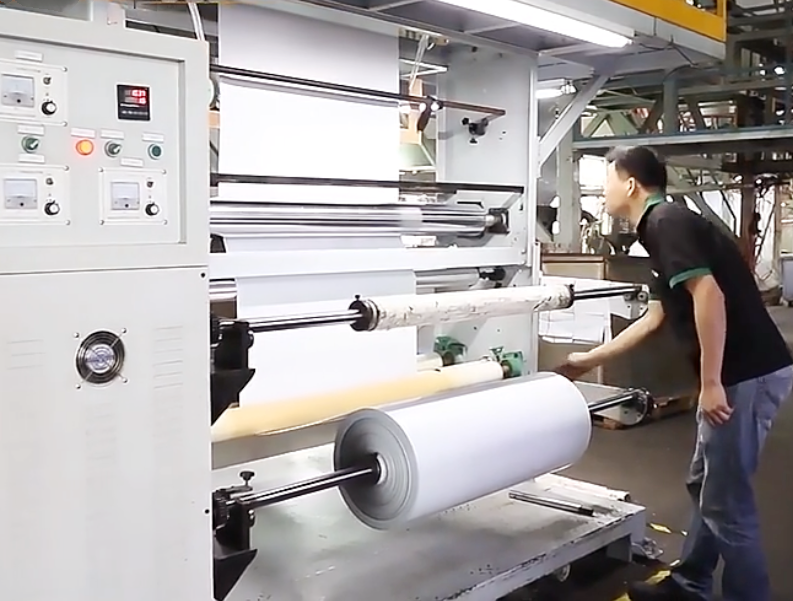
Technical design: multi-layer construction and functional intent
Multi-layer polyethylene mailers use discrete film layers engineered to provide complementary mechanical and barrier functions. Typical layers include a high-tensile outer layer for abrasion resistance, a core layer tuned for puncture resistance and dimensional stability, and an inner adhesive or peel-release layer for secure closure. Key material attributes to inspect are gauge (film thickness), tensile strength, burst strength, puncture resistance, and moisture barrier properties. These attributes determine performance during palletization, conveyor handling, and last‑mile sorting.
Performance metrics and testing considerations
Objective evaluation requires standardized testing: tensile and elongation tests, puncture resistance, and accelerated aging under humidity and UV exposure. Manufacturers should provide test data aligned with recognized methods (for example, industry ASTM protocols for film mechanics). Pay particular attention to seal strength — the adhesive seal must sustain tensile and shear loads typical in automated sortation. Equally important is consistency: batch-to-batch variance in gauge or sealant distribution leads to intermittent failures that are difficult to troubleshoot on a live fulfillment line.
Real-world anchor: why logistics events sharpen requirements
The 2020–2021 global supply-chain disruptions, including port congestion at Los Angeles in 2021, shifted demand patterns and extended transit durations. Those conditions increased exposure to moisture and handling stress, revealing that single-layer, minimal-gauge mailers performed poorly under sustained strain. This historical event underscores why multi-layer systems with improved barrier and puncture properties are operationally relevant — not merely marketing distinctions.
Implementation pitfalls and common operational mistakes
Three recurring implementation errors reduce expected gains: (1) specifying appearance over mechanical metrics, (2) neglecting adhesive/seal compatibility with in-line dispensers, and (3) assuming recyclability without verifying local processing capabilities. Aesthetic lamination or printed coatings may compromise seal surfaces — so always request compatibility trials with production taping or dispensing equipment. Also — and this is often overlooked — seal dwell time and pressure parameters on your sealing equipment must be validated against the mailer’s adhesive system to prevent cold-seal failures.
Comparative alternatives and trade-offs
Alternatives to multi-layer polyethylene include mono-layer high-gauge films, paper-based padded mailers, and hybrid kraft-poly laminates. Mono-layer films can be cost-effective for low-risk SKUs but lack puncture resistance and moisture barrier. Paper and hybrid solutions offer improved recyclability in some municipal streams but usually add weight and cost and may not meet waterproofing needs. For operations that prioritize secure, lightweight shipping and fast sortation, multi-layer polyethylene often represents the optimal trade-off. If your product mix includes fragile or high-value goods, consider reinforced constructions or additional internal cushioning.
Supply evaluation: vendor quality controls and documentation
Request the following documentation during vendor evaluation: material specification sheets (film composition and gauge), batch test reports (tensile, puncture, seal strength), traceability records for resin lots, and quality plans for first‑article inspection and ongoing sampling. Also verify the vendor’s contingency planning for resin supply and production continuity — lessons from the 2021 port backlog highlighted the operational value of validated secondary sourcing and buffer inventory strategies.

Practical checklist for deployment
Before full rollout, conduct these steps: run a 1,000‑unit pilot across your standard conveyors and sortation points; perform drop and puncture simulations matched to your typical parcel profiles; validate seal parameters on production equipment; and confirm end‑of‑life pathways (recycling or recovery). Include packaging line operators in acceptance tests to capture handling nuances early.
Alternatives in procurement and where WH Packing fits
Procurement choices hinge on three priorities: lowest unit cost, highest mechanical performance, or highest sustainability score. WH Packing’s multi-layer polyethylene mailers prioritize mechanical robustness and consistent seal systems; competitors may edge lower on unit cost or provide different environmental claims. For brands that require supplier alignment to technical metrics — gauge consistency, puncture resistance, and validated seal strength — WH Packing is positioned as a technically oriented option. For those seeking a different balance, consider mono-layer high-gauge films for cost or paper hybrids for specific recyclability profiles. You may also evaluate WH Packing’s complementary offerings in custom poly bag mailers if internal cushioning or alternative formats are required.
Summary of key insights
Multi-layer polyethylene addresses transit failure modes by combining tensile and puncture resistance with reliable seal systems. Operational results depend on validated test data, production compatibility, and contingency sourcing. Avoid the common errors of privileging appearance over mechanical metrics and omitting line-level validation. A structured pilot and clear documentation requirements materially reduce rollout risk.
Advisory: three golden rules for selecting a solution
1) Insist on quantitative test data: require tensile, puncture, and seal-strength reports tied to batch traceability. 2) Validate on your equipment: perform in‑line trials to confirm seal dwell time, pressure, and dispenser compatibility. 3) Evaluate total cost and risk: include tooling, rework, return rates, and supply continuity in unit-cost comparisons.
Applied correctly, these rules point procurement toward suppliers who deliver predictable, measurable outcomes — and that is precisely where WH Packing provides operational value. —