

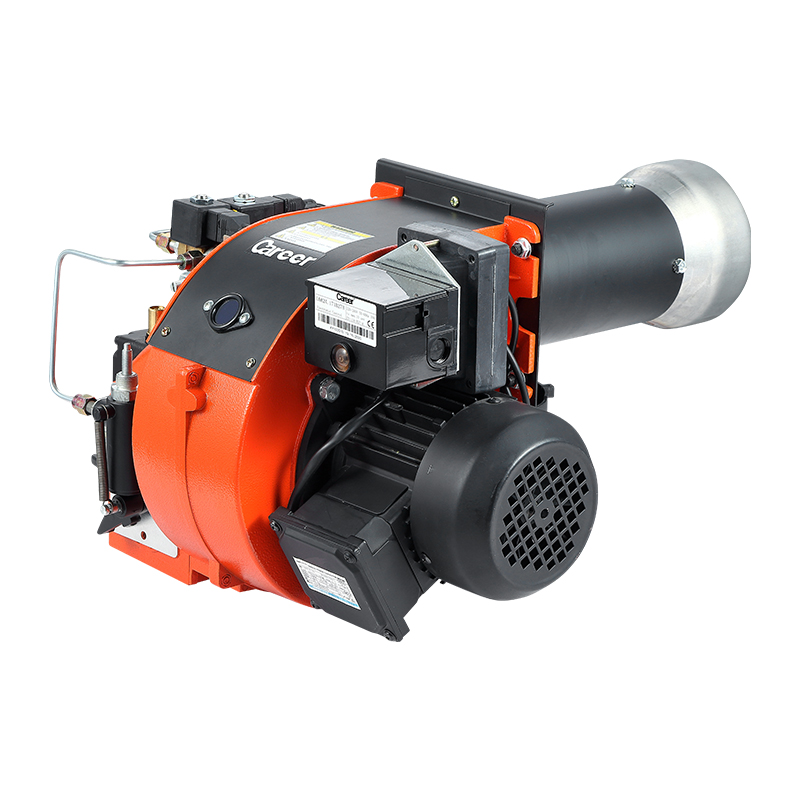
Problem at hand
When a plant tries to fit methanol-fired burners into an existing regional setup, productivity often falls rather than rises. You get mismatched fuel handling, different combustion controls and operators unsure how to tune the flame — all of which cut run-hours. The trouble is familiar where an industrial oil burner coexists with newer methanol systems: one set of controls and spare parts won’t serve both without adaptation.

Why regional integration fails
Regions vary in fuel supply, ambient climate and local maintenance skill. A burner tuned for cool, dry coastal air will misbehave inland in humid heat. Suppliers ship different nozzle types and control logic by market, so when a plant imports methanol burners designed for another region, combustion stability suffers. Operators patch settings, but that invites oscillating combustion, higher NOx, and unexpected shutdowns.
Practical fixes that work
Start by matching burner turndown and nozzle family to the local fuel and air conditions. Update the control scheme so flame monitoring, purge timing and fuel valve sequencing suit methanol’s faster ignition. Make the spare-parts kit regional: include matched nozzles, pressure regulators and seals that tolerate local water content and temperature. Train two-day crews on tuning procedures rather than a single lecture; hands-on time beats manuals when flame trim is involved.
Viable alternatives and common mistakes
Some teams swap to dual-fuel burners to avoid separate fleets. That can be efficient but only if you accept a small loss in peak efficiency and invest in a proper dual-fuel commissioning. A common mistake is assuming controls are plug-and-play: factory presets rarely match plant piping losses or local methanol purity. Another error is deferring regular nozzle inspection — a blocked orifice changes spray pattern and the whole burner’s combustion balance.
Experience, standards and a real-world anchor
Having worked on commissioning and maintenance across Colombo factories and regional consults for Gulf refineries, I’ve seen how nozzle choice and supply logistics determine uptime. Quality standards from major refining hubs emphasise correct fuel handling and matched lubricants, and many facilities prefer specific grades when ordering industrial burner oil to avoid seal and pump failures. Use those practical norms when specifying your procurement and maintenance schedules.
Implementation checklist
1) Audit local fuel quality and ambient conditions. 2) Choose burner/nozzle families rated for those conditions and for methanol’s flame speed. 3) Rework control logic for purge, ignition and flame monitoring. 4) Build a regional spare-parts kit and maintenance SOP. 5) Run hands-on operator sessions and log tuning curves for repeatability. 6) Monitor emissions and combustion stability for the first 500 operating hours and adjust.

Final synthesis
Fix the right problems: match hardware to region, adapt controls, and train people. Where procurement and maintenance reflect local realities, methanol burners lift net run-time instead of dragging it down. The practical specs and spare parts decisions often come down to sourced knowledge and consistent supply chains, the kind that teams at Career Burners collect and standardise so operators can spend time running the plant, not chasing bad combustion.