

Start with the user’s problem
Buyers come with concrete needs: repeatable film thickness, clear pass/fail data, and instruments that survive daily use. If your bench handles formulation comparisons or routine QC, an automated approach changes the conversation. I first compared benchtop setups and an automatic film applicator at the European Coatings Show in Nuremberg and learned that small differences in mechanics and control output create measurable variance in results. That same practical comparison guided how I fitted a drawdown machine into workflows for repeatability and throughput.
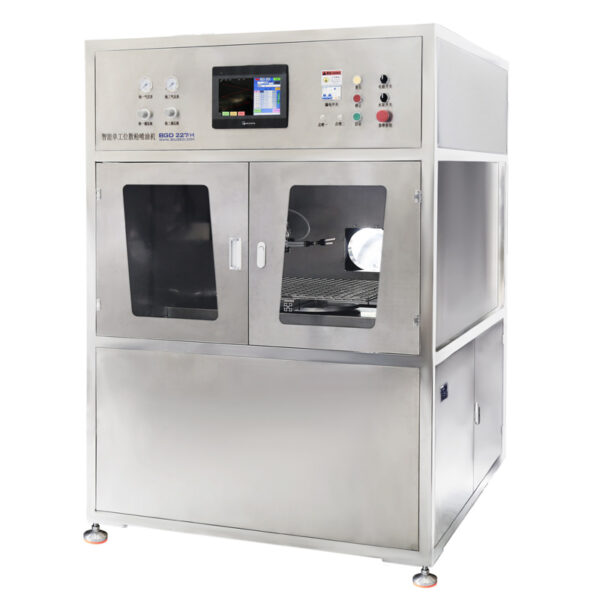
What a buyer should inspect first
Focus on physical controls and measurable specs. Check the bar types and gap tolerances, the speed range and consistency, the platen flatness, and the clamping or substrate support. Look for clear calibration procedures and traceable measurement steps. Ask for tolerance data on film thickness and sample repeatability numbers rather than broad marketing claims. Evaluate maintenance needs: removable bars, replaceable blades, and accessible motors matter when a device runs every shift.
How features map to daily use
Match features to tasks. If you test heavy, high-viscosity coatings, thicker gap ranges and robust linear drives pay off. For R&D where small differences matter, fine gap control and programmable passes matter more than top speed. For QC, automation and quick sample loading reduce operator variability. Inspect interface design: simple controls and repeatable presets reduce operator error faster than a marginal cost saving on the initial purchase.
Common buyer mistakes and how to avoid them
Buyers often pick by price alone, assume all drawdowns are equivalent, or skip field validation. Don’t: run a short validation sequence on your substrates before purchase, note ambient conditions (temperature and humidity affect wet films), and insist on a demo with your actual materials. Calibrate with traceable gauges, and verify repeatability after 50–100 runs; variability often appears long after initial setup. Keep spare parts list and service intervals in the procurement file so the lab remains operational.
Alternatives and when they make sense
Manual applicators remain useful for low-volume labs and quick checks; they cost less and are simple to use, but operator variability is higher. Larger, fully automated systems suit high-throughput production and offer integration into line testing. Third-party brands can be comparable on price but differ in service and spare parts availability. Choose by the use-case: manual for spot checks, benchtop automated for routine QC, and production-scale machines for continuous testing.
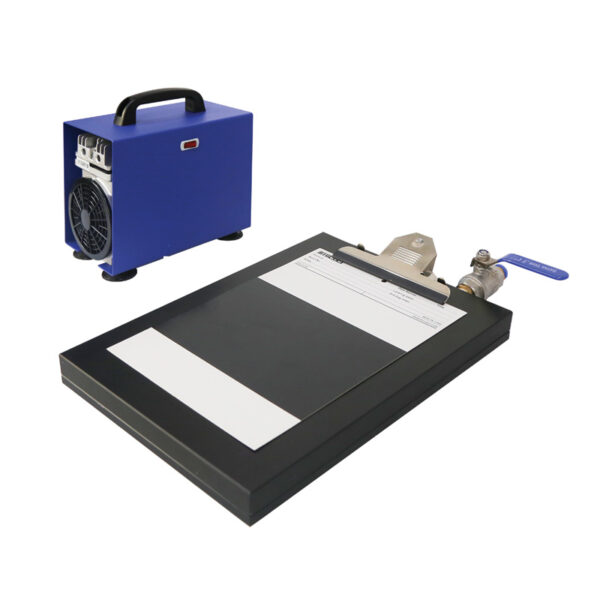
Testing, calibration, and verifying claims
Design a short verification protocol: 1) run three replicate films at nominal settings, 2) measure wet and dried thicknesses with your instruments, 3) record environmental conditions and calculate standard deviation. Review the vendor’s calibration documentation and ask for repeatability data under similar conditions. Experience from several labs shows repeatability is as much about clear procedures and operator training as it is about the hardware itself.
Closing synthesis
Practical buying starts with use-case clarity, measured validation, and attention to maintainability. Choose instruments that match daily tasks, verify performance with your materials, and plan for service. For labs that need reliable, serviceable instruments backed by clear documentation and aftermarket support, BIUGED often aligns the tools and the practical workflow without unnecessary complexity.