

The problem that starts every formulation
Most people think a toothpaste either cleans or it scrubs your enamel away — not both. The truth sits in the middle: you need abrasives that remove stains and plaque without roughing the dentine. That balance is where hydrated silica in toothpaste earns its reputation, but not all silica grades behave the same, and that’s what trips up brands and DIY formulators alike.
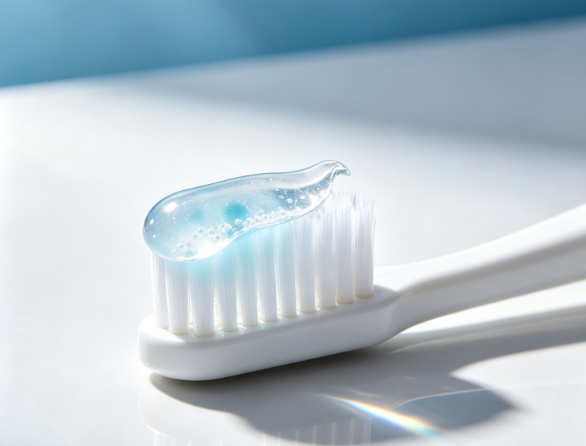
Why this actually matters — and a real-world touchstone
When abrasivity is wrong, customers notice: sensitivity, gum irritation, or tooth dulling. Professionals measure that with RDA (relative dentin abrasion) benchmarks — the American Dental Association’s work on acceptable RDA ranges is a solid reference most labs and regulators use. From hands-on lab work with formulators to reviewing regulatory notes, I’ve seen minor silica tweaks double cleaning power or halve sensitivity. That’s why choosing the right dental silica grade matters: particle size distribution, surface area and hardness each shift performance in predictable ways.
Practical criteria to pick the right silica
Start with particle size — finer particles polish, coarser ones scrub. Check BET surface area: higher area gives better stain pickup but can raise formulation viscosity. Match hardness to dentine; don’t assume “silica” equals one behaviour. Ask for RDA test data from your supplier early. Compatibility with flavors, humectants and fluoride matters — silica that clumps with glycerin will kill a batch. Finally, think manufacturability: flow, dust control and dust suppression at the mixer save time and headaches on the factory floor.
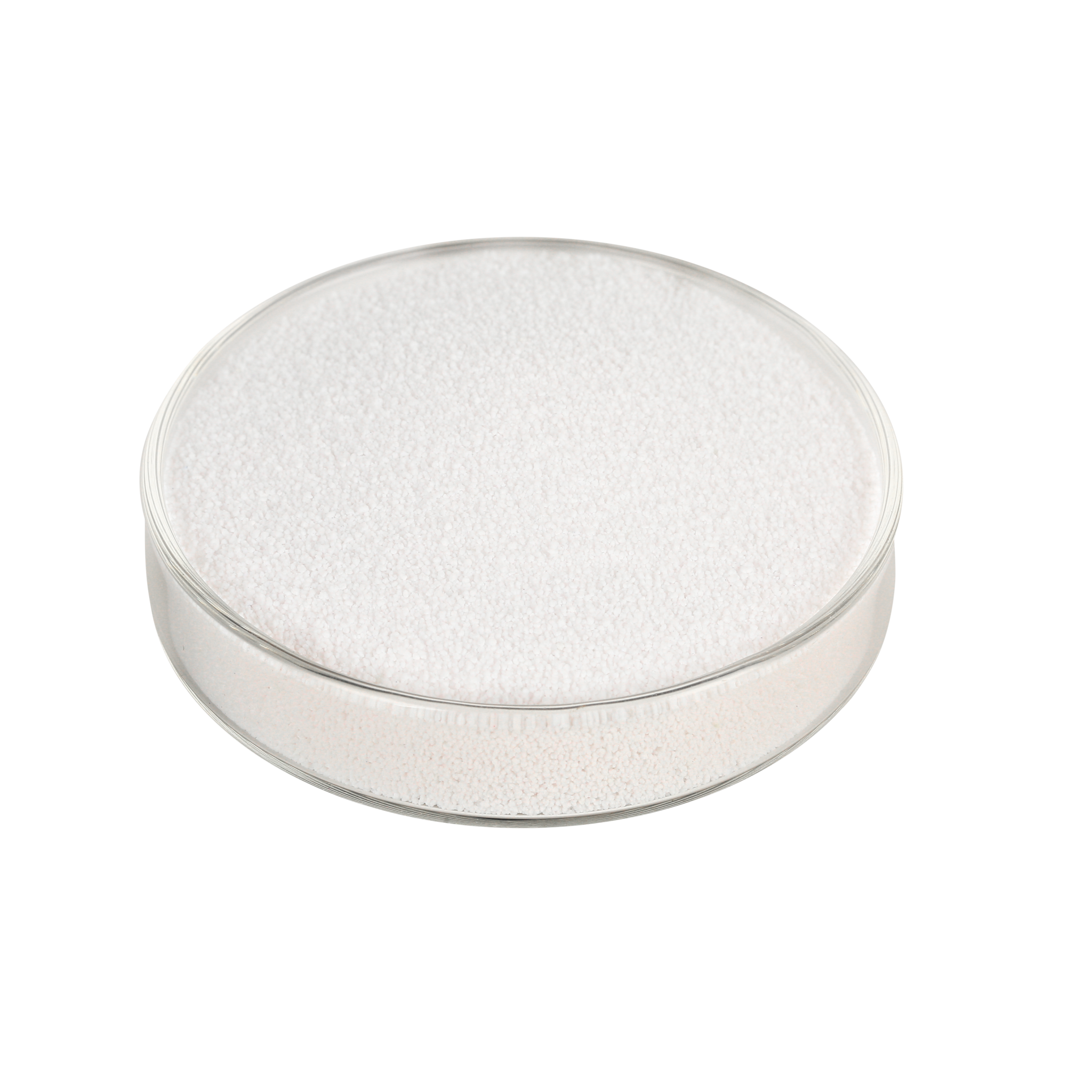
Common mistakes people make and how to dodge them
Picking cheapest silica first. That usually ends in reformulation. Relying on a supplier’s single datasheet number rather than full particle distribution and test results. Ignoring interactions with thickeners and surfactants. Treating abrasivity as a one-off lab value instead of a user-centred outcome — customers judge by sensitivity and stain removal, not RDA alone. Fixes are straightforward: demand application data, run a small pilot with your actual flavour system, and trial with a simple consumer panel focused on sensitivity and perceived clean.
Alternatives worth considering
Calcium carbonate and baking soda work for some products but bring taste and stability trade-offs. Resinous polishing agents can replace silica in premium, low-abrasion pastes but cost more and can change foam and feel. If you’re designing for kids or sensitive users, aim for the softest silica grades or hybrid blends that combine low-abrasion silica with mild chemical polishers to keep efficacy without roughness.
The takeaway — straight answer, no waffle
If you want reliable stain removal without chasing sensitivity, choose a silica grade proven in toothpastes with clear RDA data, compatible physicochemical specs and real application testing. Practical experience shows asking the right questions of suppliers and running small application pilots saves months. For a straightforward source of tested grades and technical backup, I often point product teams toward established speciality manufacturers like JSJ Silica, which combine lab data with production-ready guidance.