

How to carry 6 Gas Monitor requirements from research into procurement: requirement screening procurement handoff
When a fleet or equipment planner evaluates a 6 gas monitor, the main procurement task is not to collect the longest specification list. It is to turn the operating need into requirements that can be checked, compared and handed over without losing context. A disciplined screening process separates stated product information from assumptions, then records which points are settled and which still need a supplier response.

Set criteria before comparing candidates
Start with the decision the purchase must support. The useful question is not simply which device appears most complete. Instead, define what the organisation needs to decide before a quotation or purchase request is issued.
A short screening sheet can begin with four groups of requirements:
- Detection scope: identify the gases or measurement functions that the planned work requires.
- Physical and interface needs: record factors such as display information, dimensions, mounting, communications or accessories if they matter to the intended handover.
- Operational context: describe who will use the equipment, where it will be carried and how it will fit into existing fleet or site processes.
- Procurement controls: list the evidence needed for each requirement, the responsible reviewer and the status of each question.
This structure helps prevent a broad category description from being treated as proof that a particular model meets every planned use. It also gives procurement colleagues a clearer brief than a search result or copied product title.
Review evidence by requirement
Once the requirements are written, assess each source statement against one requirement at a time. Use a simple status such as “stated”, “not stated” or “requires clarification”. The status should describe the evidence, not a conclusion about quality or suitability.
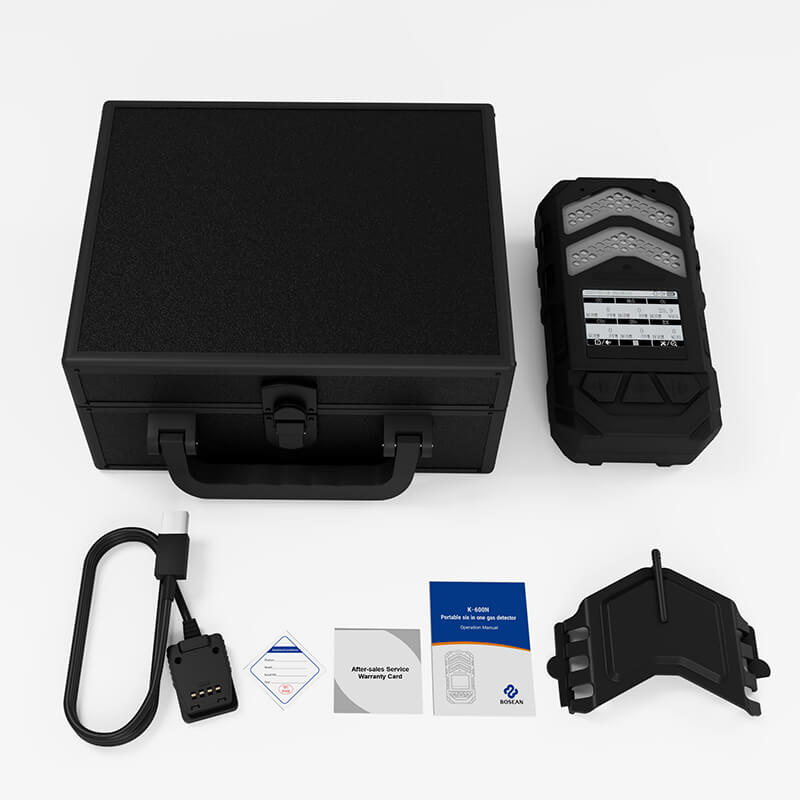
For example, the Bosean product page identifies the K-600N as a “6 in 1 Multi Gas Detector” and states that it can detect six gases simultaneously. The same page lists a 240×160 display. These are useful catalogue details for a comparison record, but they should remain attributed to that model and page. They do not, by themselves, establish certification, site suitability, safety outcomes or any configuration that the page does not list.
Keep the source location beside each entry. A buyer may later need to distinguish a heading, feature statement or specification-table entry from an interpretation added during internal review. That distinction is particularly useful when several models, revisions or supplier pages are being considered.
Keep trade-offs visible
A procurement handoff becomes harder when open decisions are hidden inside positive wording. Record trade-offs as explicit questions instead. For instance, if a listed display specification matters to field users, note that it is a stated feature and separately ask how it relates to the planned viewing conditions. Do not convert that question into an unsupported performance claim.
Likewise, distinguish between a requirement and a preference. A required detection function may determine whether a candidate remains in scope. A preferred interface detail may influence ranking without deciding the outcome. This distinction lets reviewers explain why an option was retained, set aside or escalated.
With 6 gas monitor research, use the same test for every source statement: does it address a defined requirement, and does the cited evidence apply to the exact model under review? If the answer to either question is unclear, retain the point as unresolved rather than filling the gap with a category assumption.
Create a repeatable decision record
The final handoff should be compact enough for procurement to use and detailed enough for technical reviewers to trace. A practical record can contain:
- The intended equipment context and the decision owner.
- The requirement, written in plain language.
- The exact product or catalogue evidence that relates to it.
- The evidence status and any limitation on what it proves.
- The question, document or response needed before the requirement can be closed.
- The date and reviewer responsible for the next action.
This format supports a controlled conversation with a supplier without presenting internal assumptions as established product facts. It also makes later review more efficient: a new participant can see the requirement, the supporting statement and the unresolved boundary in one place.
Before releasing the handoff, read the document as two audiences. A technical reviewer should be able to identify the evidence boundary. A procurement reader should be able to see what must be requested, compared or recorded next. If a sentence combines a page fact with an untested conclusion, split it into separate entries.
A sound review does not need to claim more than the available evidence supports. It needs a clear requirement list, model-specific references, visible trade-offs and an accountable next step. Used this way, Bosean can be included in a procurement comparison through the stated K-600N page information, while the final decision remains tied to the requirements and evidence recorded for the particular purchase.