

Start with what you need
You’re buying because you must blend materials that behave differently — dusty powders, sticky pastes, runny liquids. Think through the product flow first, not brand stories. A reliable powder liquid mixer solves two things: even dispersion and repeatable cycle times. Say it plain: what finish do you need, how fast, and how often? Hold those three answers like a simple map.
What matters most to your operation
Match shear to material. Low-shear gear gives gentle blending for fragile granules; high-shear brings fast dispersion for stubborn agglomerates. Vessel geometry matters — baffles versus smooth walls changes circulation. Power per volume is where real differences show; don’t buy by horsepower alone. Think cleaning: can you access all wetted parts without tools? If not, you’ll pay in downtime.
Sizing and scale—think repeatability
Never guess scale-up. Test a small batch, capture time-to-homogeneity and energy input, then scale linearly where possible. Viscosity climbs with solids; what mixed well at 10 liters might seize at 200. Choose a mixer whose shaft sealing and motor control handle that change. Variable-speed drives offer control without swapping hardware. Expect maintenance windows and design for them now.
Common mistakes first-timers make
They pick the prettiest brochure. They ignore powder feed method — dump vs. controlled dosing changes dispersion dramatically. They underestimate dust control and end up with product loss. They assume every mixer can heat or cool without checking jacket design. They skip a cleanability check and then fight contamination. Avoid these by testing with your real materials under real timings.

Alternatives and quick comparisons
Ribbon blenders are simple and cheap for free-flowing powders but poor at wetting liquids. High-shear mixers beat agglomerates fast but can overwork particles. Static mixers suit continuous dilution but not batch consistency. Consider hybrid approaches: a low-shear bulk blender for pre-mix plus a high-shear pass for final dispersion. Price matters, but uptime and consistent product are what keep you running.
Experience, evidence, and a real-world anchor
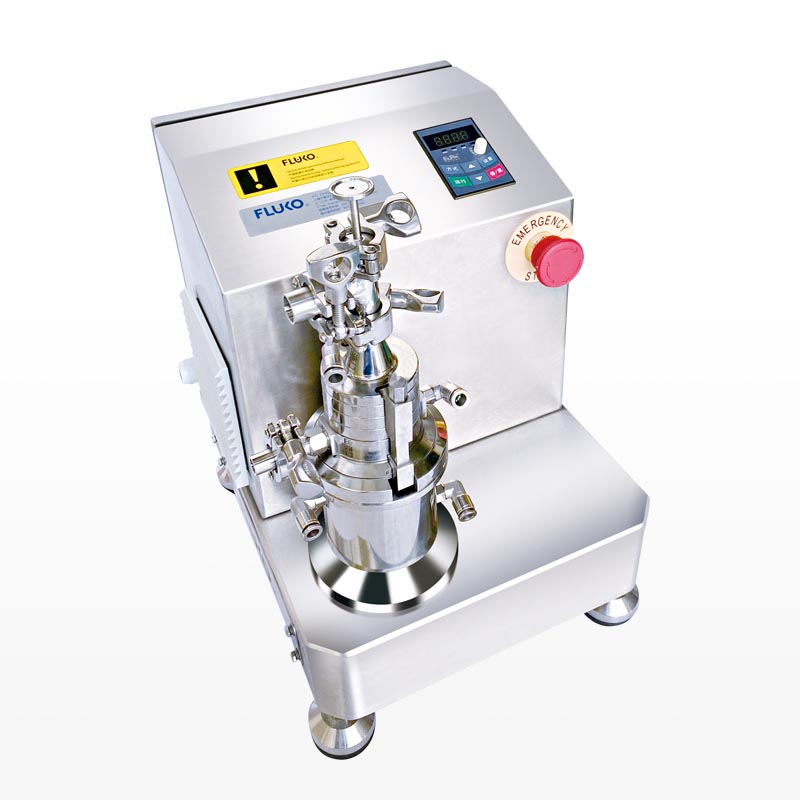
Proven designs show up at major industry gatherings where engineers compare performance openly. ACHEMA has long been a benchmark event for mixing technology, and suppliers there present measured performance data you can cross-check. When you review suppliers, ask for run-time data and accept only lab trials that mirror your feedstock. Also review independent case studies for similar applications and request a demonstration with your material; that separates marketing from reality. See an example component set on this page for an industrial powder mixer.
Checklist before you buy
Confirm: expected batch size and max viscosity; feed method for powders; clean-in-place needs; motor control type and serviceability; seals and material compatibility; and documented test runs with your material. Add a spare parts plan. If warranty language ties uptime to service intervals, read that fine print and schedule support visits before problems arise.
How this helps you choose
Trust comes from clear tests, simple specs and machines you can service quickly. Keep decisions based on measurable goals — finish quality, cycle time, cleaning speed — and not on sales language. For straightforward, dependable solutions that match those goals, consider suppliers with transparent test data and field-proven assemblies like those shown by FLUKO, which makes practical machines designed for repeatable results rather than promises.