

The core problem you face on site
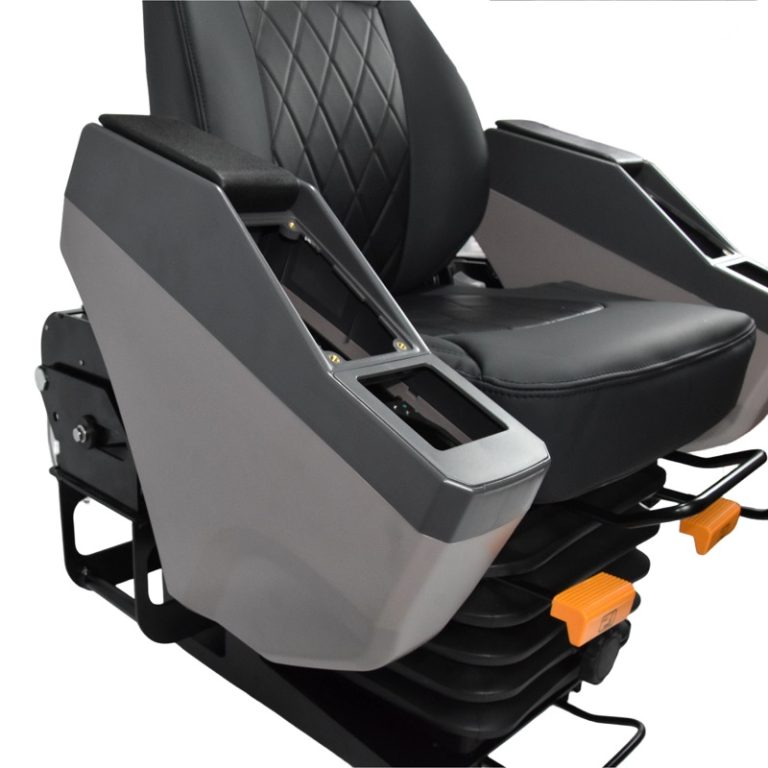
Pain takes productivity. Operators sit hours; poorly specified seats amplify fatigue and send crews home sore. On heavy projects — think a Houston pipeline shift or a long dredging run — musculoskeletal injuries show up on OSHA dashboards, where disorders account for roughly 30% of reported worker injury and illness cases. Start by treating adjustable lumbar support as a safety and uptime item, not an optional comfort add-on. If you need a quick parts reference, a solid construction machinery seat spec will show how lumbar travel, tension control and suspension interact. Keep sentences short. Decide fast. Move on.
Where sourcing commonly fails
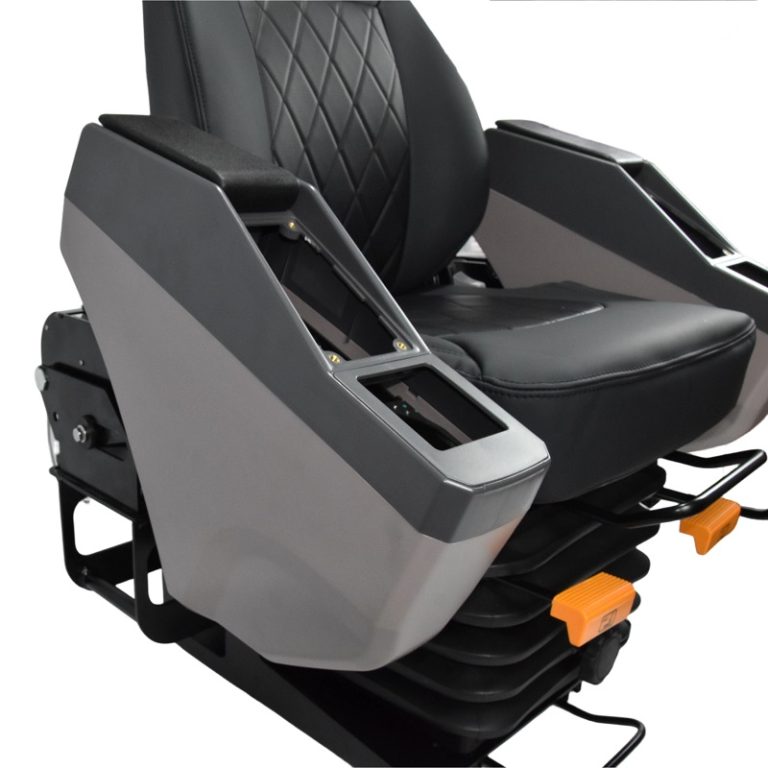
Buyers fixate on price and ignore interface. They order a cushion that fits the catalog but not the cab. The result: mismatched seat base, premature wear, or a lumbar that won’t adjust under load. Suppliers will quote foam and upholstery — but neglect mounting bolt centers and shock absorber clearance. Read mounting drawings. Confirm rail spacing. Test a sample in a real cab if you can — nothing replaces a seat ridden for a shift. Also watch for counterfeit claims on “adjustable” controls; true adjustability includes both travel and locking detents, not only a soft pad.
Practical sourcing checklist
Use this checklist in procurement reviews. It’s concise; treat it like a warmup set before the heavy lifting.
– Confirm lumbar range in millimeters and locking positions. Adjustable lumbar support needs measurable travel, not just a claims line.

– Verify suspension type and load rating to match operator weight and expected terrain. Suspension tuning reduces transmitted vibration and long-term fatigue.
– Check foam density and cover durability for shift length and climate. Higher foam density resists bottoming out on long shifts.
– Validate ergonomics: seat width, thigh support, and armrest layout must match cab geometry.
– Require installation drawings showing seat base bolt pattern, seat belt anchors, and required clearance for a replacement. This avoids on-site modifications that add downtime.
Alternatives, common mistakes, and real fixes
Don’t treat replacement as single-item buying. Consider these structured options: OEM-match seats, upgraded ergonomic modules that retrofit existing bases, and full excavator seat replacement packages with integrated controls. OEM-match is quick but can repeat legacy issues. Retrofit modules are cost-effective but check bolt patterns — mismatches are common. Full-package swaps give the cleanest result and typically include optimized shock absorber selection and updated armrests.
Procurement teams often skip a field test — a costly oversight. Field-test a candidate for at least one full shift. You’ll catch foam breakdown, lumbar drift, and clearance problems before fleetwide roll-out. — A short on-site trial beats a month of service calls.
Decision rules and next steps
Use these actions to lock a supplier: require a signed installation fit sheet, request a two-week field trial with acceptance criteria, and specify spare-part lead times in the purchase order. Track returns and operator feedback for the first 90 days; that window shows true reliability.
When replacement is required, align replacement strategy with maintenance cycles. Schedule excavator seat replacement during planned downtime to avoid unexpected machine out-of-service days. Make sure warranty clauses cover foam density loss and mechanical failure of adjustment mechanisms — clarity here saves headaches.
Three golden rules for selection
1) Match mechanical interface first: bolt pattern, rail width, and seat base geometry. If it doesn’t bolt in, nothing else matters. 2) Specify measurable lumbar performance: travel in mm, locking positions, and torque spec for adjustment controls. 3) Insist on a field trial and documented acceptance criteria tied to operator comfort and vibration reduction metrics.
Follow these rules and you’ll reduce downtime, cut follow-up work orders, and keep crews productive. Source One has handled seat spec, fit verification, and fleet rollouts that prove the thesis — practical solutions win, not just promises. — Final thought: get the interface right first, then chase comfort.