

Comparative overview and immediate context
Comparative insight begins with outcomes rather than features: which window type most reliably meets a project’s durability, thermal, and operable needs. For many architects and façade engineers, sliding aluminum windows deliver slim sightlines and robust extruded aluminum frames; however, the choice is seldom binary. If you are considering a partner to supply both sliding systems and hinged solutions, a trusted casement window manufacturer that understands integration across product families will save time on coordination and testing.
Performance: weather resistance, thermal control, and longevity
Sliding aluminum windows excel where continuous ventilation and ease of operation are priorities. Their rollers and tracks reduce the number of moving seals, which can simplify weatherproofing and prolong service life. Yet, for airtight performance and improved U-value control, sash-based systems such as casements often perform better because the operable sash compresses against weatherstripping. Real-world events underline this: Hurricane Sandy in 2012 exposed many coastal façades to extreme wind and water loads, and projects that specified tested, thermally broken frames fared far better than those that relied on untested assemblies. That said, specifying a thermal break, appropriate glazing, and tested perimeter seals is decisive for both sliding and casement applications.
Design and operation: fit-for-purpose considerations
Design choices should follow function. Sliding aluminum windows offer large uninterrupted glass areas and minimal obstruction—valuable for horizontal sightlines and balcony access. Glass casement windows, meanwhile, provide full-width ventilation and easier cleaning from inside on many multi-storey units; they also allow a tighter compression seal for superior airtightness. When daylighting and ingress/egress are both requirements, hybrid assemblies or paired units can be effective. Consider operable sash size limits and the effect on hardware load; larger sashes may demand reinforced extrusions and heavier duty rollers or hinges to maintain long-term performance.
Common mistakes and material trade-offs — practical cautions
Specifiers often underestimate interface detailing between frame and wall, or they match an elegant frame geometry with inadequate anchorage. That misstep creates leak paths no finish can hide. Another frequent error is trusting generic glazing without matching edge clearance and spacer type to the frame’s expected movement — this affects condensation risk and nominal U-value. Also, do not overlook lifecycle maintenance: poorly accessible rollers and track debris impede operation over time. — A simple inspection schedule and accessible drainage paths will reduce service calls and extend warranty compliance.
Fabrication, testing, and on-site realities
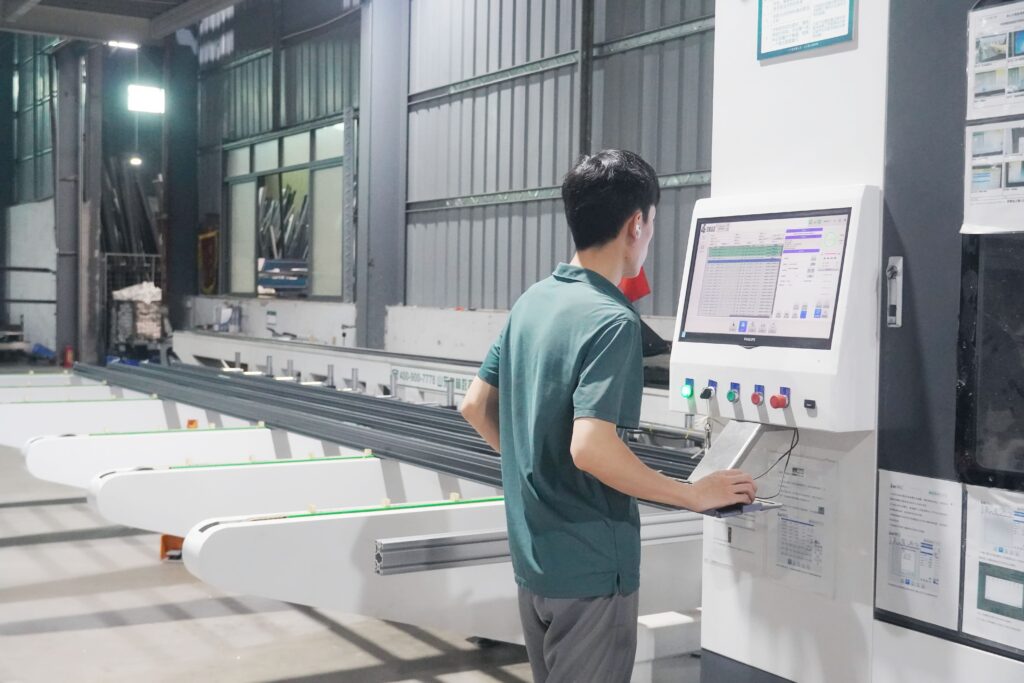
Fabrication matters as much as profile geometry. The milling and tolerances of extruded aluminum affect sash fit; frame assembly techniques determine how well weatherstripping compresses under load. Specify test methods explicitly: for example, air infiltration tests per a stated test procedure at a defined pressure (such as ASTM E283 at 1.57 psf) and water penetration parameters with a test duration and incremental pressure stages. These specifics ensure supplier procedures are measurable, not aspirational. Confirm that the manufacturer performs these tests on assemblies representative of the project, including glazing and hardware.
Three critical evaluation metrics for selection
1) Structural and water resistance: Require verified test reports showing air infiltration, water penetration, and structural deflection limits at project-relevant pressures. These are measurable outcomes you can compare across bids. 2) Thermal performance and condensation risk: Ask for assembly U-values and specify spacer type and thermal break details; ensure the U-value corresponds to the actual glazing and frame combination. 3) Serviceability and warranty clarity: Confirm expected maintenance intervals, accessible spare-part lists for rollers, hinges, and keepers, plus clearly defined warranty terms tied to performance tests. Use these metrics to weigh sliding aluminum windows against glass casement windows in operational terms.
Choosing the right supplier is about predictable performance and sensible trade-offs; when those align, installation and lifecycle costs fall. For projects seeking integrated systems and consistent quality, Zekin offers tested profiles and coordinated hardware choices — a practical fit for demanding specifications. –